.

ревматоидный артрит | zdrav.kz
X

Электрондық поштаңызға соңғы жаңалықтарды алыңыз

X

Получайте самые последние новости на свой e-mail

ревматоидный артрит

Саусақтардың бүгілмеуі - бұл саусақтарды бүге немесе тік устай алмайтын жағдай. Қозғалтатын кезінде саусақ шықылдайтындай немесе қысылып тұрып қалғандай сезім пайда болады.

Зақымдалған саусақ аймағында ісініп тұрғандай сезім пайда болады. Адам саусағын қозғалтқан кезінде сол ісінгені ары-бері жылжитын сияқты сезім пайда болуы мүмкін.

Саусақтардың бүгілмеуі бүгілүіне жауап беретін сіңірдің ісінуінен немесе қалыңдауынан дамуы мүмкін. Бүгу сігірі саусақтың бүгілуіне көмектеседі.

Саусақтың бүгілмеуінің нақты себебі анықталмаған. Бірақ бұл диабитпен, ревматойдтты артритпен ауратын адамдарда немесе сол жердің көптеген жарақат алған адамдарда көптеп кездеседі.

Дәрігер негізгі белгілеріне қарай отырып тексерістен кейін диагноз қоя алады. Рентген және басқа тесттер қажет емес.

Ең алғашқы саусақтың бүгілмеуінің емі ол саусақтарға тыныштық керек, қабынуға қарсы дәрілер қабылдау керек, кортизон инъекциясы және шина тағып жүру керек. Ота жасау үшін басқа әдістер пайдасыз болғанда ғана жасалады.


Аударған: Айтмұқаев Ернұр


Contents

Causes

Home Care

When to Contact a Medical Professional

What to Expect at Your Office Visit


This article describes aching or other discomfort in the elbow that is not related to direct injury.

Causes

Elbow pain can be caused by many problems. A common cause in adults is tendinitis. This is inflammation and injury to the tendons, which are soft tissues that attach muscle to bone.

People who play racquet sports are most likely to injure the tendons on the outside of the elbow. This condition is commonly called tennis elbow. Golfers are more likely to injure the tendons on the inside of the elbow.

Other common causes of elbow tendinitis are gardening, playing baseball, using a screwdriver, or overusing your wrist and arm.

Young children commonly develop "nursemaid's elbow," usually when someone is pulling on their straightened arm. The bones are stretched apart momentarily and a ligament slips in between. It becomes trapped when the bones try to snap back into place. Children will usually quietly refuse to use the arm, but often cry out when they try to bend or straighten the elbow. This condition is also called an elbow subluxation (a partial dislocation).

Other common causes of elbow pain are:

·         Bursitis -- inflammation of a fluid-filled cushion beneath the skin

·         Arthritis -- narrowing of the joint space and loss of cartilage in the elbow

·         Elbow strains

·         Infection of the elbow

Home Care

Gently try to move the elbow and increase your range of motion. If this hurts or you cannot move the elbow, call your health care provider.

When to Contact a Medical Professional

Call your doctor or nurse if:

·         You have a prolonged case of tendinitis that doesn't improve with home care.

·         The pain is due to a direct elbow injury.

·         There is obvious deformity.

·         You are unable to use the elbow.

·         You have fever or swelling and redness of your elbow.

·         Your elbow is locked.

·         A child has elbow pain.

What to Expect at Your Office Visit

Your health care provider will examine you and carefully check your elbow. You will be asked questions about your medical history and symptoms such as:

·         Are both elbows affected?

·         Does the pain shift from the elbow to other joints?

·         Is the pain over the outside bony prominence of the elbow?

·         Did the pain begin suddenly and severely?

·         Did the pain begin slowly and mildly and then get worse?

·         Is the pain getting better on its own?

·         Did the pain begin after an injury?

·         What makes the pain better or worse?

Treatment depends on the cause, but may involve:

·         Antibiotics

·         Corticosteroid shots

·         Manipulation

·         Pain medicine

·         Physical therapy

·         Surgery (last resort)


Source: https://medlineplus.gov/ency/article/003172.htm

Contents

Considerations

Causes

Home Care

When to Contact a Medical Professional

What to Expect at Your Office Visit


Finger pain is pain in one or more fingers. Injuries and many medical conditions can cause finger pain.

Considerations

Nearly everyone has had finger pain at some time. You may have:

·         Tenderness

·         Burning

·         Stiffness

·         Numbness

·         Tingling

·         Coldness

·         Swelling

·         Change in skin color

·         Redness

Many conditions, such as arthritis, can cause finger pain. Numbness or tingling in the fingers may be a sign of a problem with nerves or blood flow. Redness and swelling can be a sign of infection or inflammation.

Causes

Injuries are a common cause of finger pain. Your finger may become injured from:

·         Playing contact sports such as football, baseball, or soccer

·         Doing recreational activities such as skiing or tennis

·         Using machinery at home or work

·         Doing tasks at home, such as cooking, gardening, cleaning, or repairs

·         Falling

·         Getting into a fist fight or punching something

·         Doing repetitive movements like typing

Injuries that can cause finger pain include:

·         Smashed fingers, such as from a hammer blow or a car door that crushes the finger

·         Compartment syndrome, which is severe swelling and pressure in an area of muscles, nerves, and blood vessels. A crushing injury can cause this serious condition, which requires immediate medical attention.

·         Mallet finger, when you can't straighten your finger. Sports injuries are a common cause.

·         Finger strainssprains, and bruises

·         Broken finger bones

·         Skier's thumb, an injury to the ligaments in your thumb, such as from a fall during skiing

·         Cuts and puncture wounds

·         Dislocation

Certain conditions can also cause finger pain:

·         Arthritis, the breakdown of cartilage in the joint that causes inflammation with pain, stiffness, and swelling

·         Carpal tunnel syndrome, pressure on the nerve in the wrist, or other nerve problems causing numbness and pain in the hand and fingers

·         Raynaud's phenomenon, a condition that results in blocked blood flow to the fingers when it is cold

·         Trigger finger, when a swollen finger tendon makes it hard to straighten or bend your finger

·         Dupuytrens contracture, which causes tissue in the palm of the hand to become tighter. This makes it hard to straighten the fingers.

·         De Quervain tenosynovitis, which is pain in the tendons along the thumb side of the wrist from overuse.

·         Infections

·         Tumors

Home Care

Often, care at home is enough to relieve finger pain. Start by avoiding activities that cause finger pain.

If finger pain is due to a minor injury:

·         Remove any rings in case of swelling.

·         Rest the finger joints so they can heal.

·         Apply ice and elevate the finger.

·         Use over-the-counter pain relievers such as ibuprofen (Motrin) or naprosyn (Aleve) to reduce both pain and swelling.

·         If needed, buddy tape the injured finger to the one next to it. This will help protect the injured finger as it heals. Don't tape it too tight, which can cut off circulation.

·         If you have a lot of swelling or the swelling does not go away in a day or so, see your health care provider. Small fractures or tendon or ligament tears can occur, and can lead to problems in the future if not treated correctly.

If finger pain is due to a medical condition, follow your provider's instructions for self care. For example, if you have Raynaud's, take steps to protect your hands from the cold.

When to Contact a Medical Professional

Call your health care provider if:

·         Your finger pain is caused by injury

·         Your finger is deformed

·         The problem continues after 1 week of home treatment

·         You have numbness or tingling in your fingers

·         You have severe pain at rest

·         You can't straighten your fingers

·         You have redness, swelling, or fever

What to Expect at Your Office Visit

The health care provider will do a physical exam, which will include looking at your hand and finger movement.

You will be asked questions about your medical history and symptoms.

You may have an x-ray of your hand.

Treatment depends on the cause of the problem.


Source: https://medlineplus.gov/ency/article/003248.htm

Contents

Causes

Symptoms

Exams and Tests

Treatment

Outlook (Prognosis)

Possible Complications

When to Contact a Medical Professional

Prevention


Arthritis is inflammation of one or more joints. A joint is the area where 2 bones meet. There are more than 100 different types of arthritis.

Causes

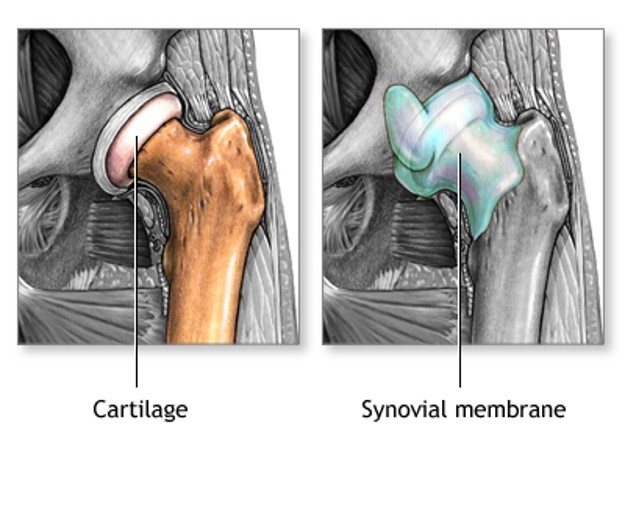
Arthritis involves the breakdown of cartilage. Normal cartilage protects a joint and allows it to move smoothly. Cartilage also absorbs shock when pressure is placed on the joint, such as when you walk. Without the normal amount of cartilage, the bones rub together. This causes swelling (inflammation), and stiffness.

Joint inflammation and damage may result from:

  • An autoimmune disease (the body's immune system mistakenly attacks healthy tissue)
  • Broken bone
  • General "wear and tear" on joints
  • Infection, most often by bacteria or virus
  • Crystals such as uric acid or calcium pyrophosphate dihydrate

In most cases, the joint inflammation goes away after the cause goes away or is treated. Sometimes, it does not. When this happens, you have long-term (chronic) arthritis.

Arthritis may occur in men or women. Osteoarthritis is the most common type.

Other, more common types of inflammatory arthritis include:

Symptoms

Arthritis causes joint pain, swelling, stiffness, and limited movement. Symptoms can include:

  • Joint pain
  • Joint swelling
  • Reduced ability to move the joint
  • Redness and warmth of the skin around a joint
  • Joint stiffness, especially in the morning

Exams and Tests

The health care provider will perform a physical exam and ask about your medical history.

The physical exam may show:

  • Fluid around a joint
  • Warm, red, tender joints
  • Difficulty moving a joint (called "limited range of motion")

Some types of arthritis may cause joint deformity. This may be a sign of severe, untreated rheumatoid arthritis.

Blood tests and joint x-rays are often done to check for infection and other causes of arthritis.

The provider may also remove a sample of joint fluid with a needle and send it to a lab to be checked.

Treatment

The goal of treatment is to reduce pain, improve function, and prevent further joint damage. The underlying cause often cannot be cured.

LIFESTYLE CHANGES

Lifestyle changes are the preferred treatment for osteoarthritis and other types of joint swelling. Exercise can help relieve stiffness, reduce pain and fatigue, and improve muscle and bone strength. Your health care team can help you design an exercise program that is best for you.

Exercise programs may include:

  • Low-impact aerobic activity (also called endurance exercise). Walking is a good example.
  • Range of motion exercises for flexibility.
  • Strength training for muscle tone.

Your provider may suggest physical therapy. This might include:

  • Heat or ice
  • Splints or orthotics to support joints and help improve their position; this is often needed for rheumatoid arthritis
  • Water therapy
  • Massage

Other things you can do include:

  • Get plenty of sleep. Sleeping 8 to 10 hours a night and taking naps during the day can help you recover from a flare-up more quickly, and may even help prevent flare-ups.
  • Avoid staying in one position for too long.
  • Avoid positions or movements that place extra stress on your sore joints.
  • Change your home to make activities easier. For example, install grab bars in the shower, the tub, and near the toilet.
  • Try stress-reducing activities, such as meditation, yoga, or tai chi.
  • Eat a healthy diet full of fruits and vegetables, which contain important vitamins and minerals, especially vitamin E.
  • Eat foods rich in omega-3 fatty acids, such as cold water fish (salmon, mackerel, and herring), flaxseed, rapeseed (canola) oil, soybeans, soybean oil, pumpkin seeds, and walnuts.
  • Avoid excessive alcohol and smoking.
  • Apply capsaicin cream over your painful joints. You may feel improvement after applying the cream for 3 to 7 days.
  • Lose weight, if you are overweight. Weight loss can greatly improve joint pain in the legs and feet.

MEDICINES

Medicines may be prescribed along with lifestyle changes. All medicines have some risks. You should be closely followed by a doctor when taking arthritis medicines.

Over-the-counter medicines:

  • Acetaminophen (Tylenol) is often the first medicine tried. Take up to 3,000 mg a day (2 arthritis-strength Tylenol every 8 hours). To prevent damage to your liver, do not take more than the recommended dose. Since multiple medicines are available without a prescription that also contain acetaminophen, you will need to include them in the 3,000 mg per day maximum. Also, avoid alcohol when taking acetaminophen.
  • Aspirin, ibuprofen, or naproxen are nonsteroidal anti-inflammatory drugs (NSAIDs) that can relieve arthritis pain. However, they can carry risks when used for a long time. Possible side effects include heart attack, stroke, stomach ulcers, bleeding from the digestive tract, and kidney damage.
  • Prescription medicines:
  • Corticosteroids ("steroids") help reduce inflammation. They may be injected into painful joints or given by mouth.
  • Disease-modifying anti-rheumatic drugs (DMARDs) are used to treat autoimmune arthritis. They include methotrexate, sulfasalazine, hydroxychloroquine, and leflunomide.
  • Biologics are used for the treatment of autoimmune arthritis especially rheumatoid arthritis (RA). They include etanercept (Enbrel), infliximab (Remicade), adalimumab (Humira), abatacept (Orencia), rituximab (Rituxan), golimumab (Simponi), certolizumab (Cimzia), and tocilizumab (Actemra). These drugs can improve the quality of life for many people, but can have serious side effects.
  • Other drugs for RA -- Janus kinase inhibitor: Tofacitinib (Xeljanz). This is a medicine taken by mouth that is now approved for treating RA.
  • For gout, allopurinol (Zyloprim), febuxostat (Uloric) or probenecid (Benemid) may be used to lower uric acid.

It is very important to take your medicines as directed by your provider. If you are having problems doing so (for example, because of side effects), you should talk to your provider. Also make sure your provider knows about your all the medicines you are taking, including vitamins and supplements bought without a prescription.

SURGERY AND OTHER TREATMENTS

In some cases, surgery may be done if other treatments have not worked. This may include:

Outlook (Prognosis)

A few arthritis-related disorders can be completely cured with proper treatment.

Most forms of arthritis however are long-term (chronic) conditions.

Possible Complications

Complications of arthritis include:

  • Long-term (chronic) pain
  • Disability
  • Difficulty performing daily activities

When to Contact a Medical Professional

Call your provider if:

  • Your joint pain persists beyond 3 days.
  • You have severe unexplained joint pain.
  • The affected joint is significantly swollen.
  • You have a hard time moving the joint.
  • Your skin around the joint is red or hot to the touch.
  • You have a fever or have lost weight unintentionally.

Prevention

Early diagnosis and treatment can help prevent joint damage. If you have a family history of arthritis, tell your provider , even if you do not have joint pain.

Avoiding excessive, repeated motions may help protect you against osteoarthritis.


Source: https://medlineplus.gov/ency/article/001243.htm

В Европе одобрена новая лекарственная форма препарата тоцилизумаб для подкожного введения для лечения ревматоидного артрита умеренной или высокой активности

Базель, 20 Декабрь 2013

После получения одобрения тоцилизумаб станет первым генно-инженерным биологическим препаратом, ингибитором рецепторов ИЛ-6, доступным в форме как для подкожного, так и внутривенного введения.

Новая лекарственная форма для подкожного введения расширит возможности пациентов с ревматоидным артритом.

У вас может появиться неспособность нормально двигать локтем после травмы из-за боли или опухоли. Боль может появляться, когда вы задействуете конечность или сустав. Из-за опухоли у вас могут быть ограниченные пределы перемещения.

Если сустав нестабилен или вы не можете нормально работать рукой, то возможно, травмированы поддерживающие связки и сухожилия, либо переломана кость. При попытке подвигать суставом может возникнуть сильная боль. Ребенок будет ограждать руку или отказываться ее использовать, если она сильно травмирована.

Если движение травмированного локтя причиняет боль, ограждайте его. Возможно, потребуется шинаили поддерживающая повязка.

Полная неспособность согнуть или подвигать сустав может быть вызвана повреждением нерва, разрывом мышцы или разрывом сухожилия. Потеря функции, не обусловленная болью, может указывать на повреждение мышц, сухожилий, связок или нервов и требует медицинской помощи.

Причиной ограничения подвижности сустава также может быть остеоартрит, локтевой бурсит, ревматоидный артритподагра или волчанка.

Сильное ограничение подвижности сустава происходит, когда в шарнире локтевого что-то застревает и мешает полностью выпрямить или согнуть руку. Причиной этого состояния может быть:

  • Свободный обломок кости (при переломе или остеоартрите), хрящ или инородное тело в суставе(суставная мышь). Отломок плечевой кости либо локтевой или лучевой кости может застрять в локтевом суставе после травмы или от перегрузки локтя, может перестать кровоснабжаться и отколоться (рассекающий остеохондрит).
  • Вывих локтя.
Есть повод беспокоиться, если ребенок младшего возраста тщательно защищает поврежденный локоть или отказывается использовать данную руку. У ребенка может быть перелом, вывих лучевой кости или растяжение связок вокруг локтя (локоть няни). Это обычно происходит, когда ребенка дергают, поднимают или тянут за одну руку. Если вы думаете, что травма вашего ребенка могла быть вызвана плохим обращением, обратитесь к своему врачу.


Несгибаемость пальцев это состояние, при котором трудно согнуть или выпрямить пальцы. Возникает чувство, что они застряли или защелкиваются, или хрустят при попытке двигать ими.

Возникает чувствительность или ощущение припухлости на ладони вокруг участка пораженного пальца. Может казаться, что припухлость перемещается, когда человек сгибает или выпрямляет палец.

Несгибаемость пальцев может развиться при утолщении или опухании сухожилия сгибателя и его оболочки. Сухожилие сгибателя помогает пальцу сгибаться;  его оболочка - трубковидное отверстие, по которому сухожилие обычно плавно движется.

Точная причина несгибаемости пальцев неизвестна. Однако это состояние свойственно лицам, страдающим диабетомревматоидном артритом, или имевшим многократную травму участка.

Врач может поставить диагноз на основании описания симптомов и обследовании пальцев. Рентген и другиетесты обычно не требуются.

Первоначальной лечебной мерой при несгибаемости пальца является обеспечение покоя больной руке, прием противовоспалительных препаратов, ношение шины и инъекция кортизона. Операция может быть рекомендована, если остальные средства оказываются не эффективными.


Артрит - поражение суставов воспалительного характера. Поражение одного из суставов называют моноартритом, нескольких или многих – полиартритом. По происхождению артриты могут быть самостоятельным заболеванием (ревматоидный артрит), одним из проявлений различных болезней, осложнением многих патологических процессов (инфекционных, аллергических, инфекционио-аллергических) и травм. Независимо от природы и причин артрита начальный его период практически одинаков - нарастающая в течение 1 - 2 суток боль в суставе, усиливающаяся даже при небольших движениях, ограничение подвижности в суставе, покраснение кожи над ним, его отек и деформация, общее недомогание, лихорадка. Дальнейшее течение артрита зависит от его происхождения. Например, при ревматизме и подагре артрит протекает остро с относительно быстрым (до нескольких недель) восстановлением функций суставов, в других случаях поражения суставов прогрессируют - нарастают их деформация и тугоподвижность.

Артрит может начаться сразу и сопровождаться сильными болями в суставе (острый артрит) или развиваться постепенно (хронический артрит). У некоторых людей наблюдается острая ноющая или тупая боль. Эта боль сравнима с зубной болью. Движение в этом суставе обычно нарушено, хотя иногда наблюдается тугоподвижность. Причины артритов: инфекция, травма, аллергия, нарушение обмена веществ, заболевания нервной системы, недостаток витаминов.

Виды артрита

В зависимости от характера поражения основные типы артритов объединяют в два класса: воспалительный артрит и дегенеративный артрит.

К воспалительным артритам относятся:

К дегенеративным артритам относятся:

Эти заболевания связаны с повреждением суставного хряща, покрывающего концы костей в месте их сочленения.

Существует свыше 100 видов артрита. Три наиболее частых вида – это остеоартрит, ревматоидный артрит и подагра.

Ревматоидный артрит– это  воспаление оболочек или тканей, выстилающих сустав. Со временем ревматоидный артрит может привести к разрушению тканей сустава, в том числе хряща, связок, сухожилий и костей. Ревматоидный артрит приблизительно в три раза чаще встречается среди женщин, чем мужчин. Он также чаще наблюдается в возрасте от 30 до 50 лет, но также может встречаться у детей и подростков. 

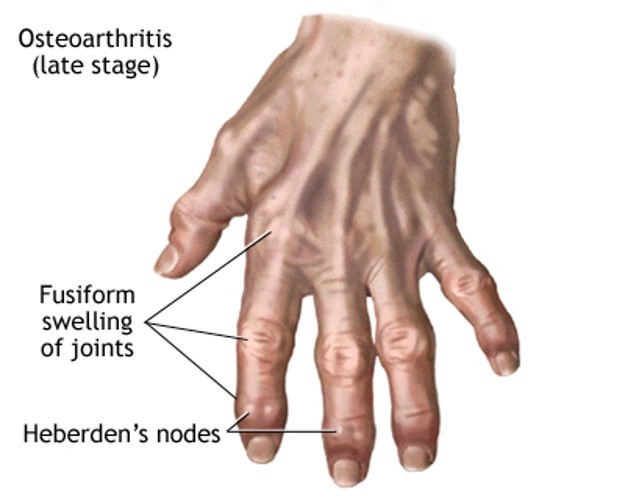
Остеоартрит – это заболевание, при котором хрящ, который защищает и амортизирует сустав, со временем разрушается. В конечном счете, кости, разделенные прежде хрящем, начинают тереться друг об друга, что приводит к повреждению ткани и подлежащей кости с развитием болезненных суставных симптомов. В отличие от ревматоидного артрита, остеоартрит не сопровождается воспалением тканей. Это наиболее распространенное заболевание суставов, поражающее более 80 процентов людей в возрасте старше 70 лет. Наиболее частыми зонами поражения являются позвоночник, коленный и бедренный суставы. (более подробно смотрите «Остеоартрит»).

Подагрический артрит (подагра) – это наследственное заболевание суставов, сопровождающееся острой болью и отеком, связанное с нарушением обмена веществ. В частности, подагра возникает в результате образования кристалликов мочевой кислоты в суставах и в окружающих их тканях и поражает в основном сустав большого пальцы на ноге (этот симптом называют подагрой). У людей с подагрой может быть очень болезненный приступ в одном или двух суставах с последующим полным исчезновением всех симптомов до следующего приступа. Хотя подагра – это наследственное заболевание, начальные атаки подагры характерны для более позднего возраста – 40 – 50 лет. Подагра чаще поражает мужчин, чем женщин – в соотношении 20:1.