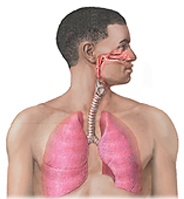
Иықтың түсініксіз ауру сезімі, мойын, иық, қолды қозғалтқанда ауру сезімі өзгермейтін немесе басқа дененің бөлігінде (іште, кеуде тұсында)болатын ауру сізімі ол басқа да бір аурудың көрінісі болуы мүмкін.
Басқа аурудың көрінісі – организмнің бір жері дұрыс жумыс жасамауынан аурып жатқан жерде емес басқа жерде орналасуы.
Иықтағы аурудың себебі:
Іш қуысының проблемалары, мысалы, өт тастар немесе панкреатит [2909].
Жүректің немесе қан тамырларының аурулары, онда сол жақ қолда немесе иықта ауырсыну жиі кездеседі, мысалы, жүрек айналасында жүрек соғысы немесе қабыну (перикардит).
Өкпедегі ақаулар, мысалы, пневмония, иықта ауру сезімінің болуы, жауырында, кеуденің жоғарғы бөлігінде, қолтық астында немесе мойнда. Әдетте ауру өкпенің қай жағында ақау бар болса сол жағында иықта ауру сезіледі.
Басқада жағдайлар мысалы қоршамалы герпес(теміреткі), Педжет ауруы, торокальді ауру сезімдері.
Басқа проблемалар, лапароскопиялық абдоминальді хирургия кезіндегі газ немесе гинекологиялық процедуралар кезінде қысым ауытқуы кезінде қынапқа ауысады.
Аударған: Айтмұқаев Ернұр
Бактериальды инфекция деп - қоздырғышы бактерия болып табылатын барлық жұқпалы ауруларды атайды.Бактерия мен шақырылатын жұқпалы аурулар өте көп мысалы пневмония,менингит,бүйректің және қуықтың қабынулары,сонымен қатар сифилис,гонорея сияқты тері-венерологиялық аурулар да жатады.
Бактериядан басқа жұқпалы аурулар вирустар менде шақырылады.Бактерия арқылы дамыған инфекцияны антибиотиктер қолдану арқылы емдеуге болады,ал вируспен дамыса олай емдеуге келмейді. Бактерия мен шақырылған инфекция вирусты инфекцияның жалғасы болуы немесе өзі жеке дамуы мүмкін.Егер науқаста ауыр немесе 10 күннен ұзаққа созылған вирусты инфекция дамитын болса онда ол көп жағдайда бактериальды инфекция мен асқынады.
Симптомдары.
Бактериальды инфекцияның симптомдары 3 түрлі механизм бойынша көрініс береді.
Экзотоксиннің өндірілуіне байланысты - бактериялармен бөлінетін химиялық зат.Мысалы ботулизм ауруы кезіндегі ботулин таяқшалры өндіреді.
Бактерия құртылғанда пайда болатын эндотоксин ге байланысты көріністер
Бактерияға сезімталдықтың артуы кезіндегі симптомдар
Егер бактериальды инфекциядан уақытында емделмесе онда ол барлық органимзмге таралып бактериемия болуы мүмкін.
Аударған: Мелис Айбек
Жедел ауыр респираторлы синдром немесе Атипті пневмония – вирусты респираторлы аурулар. Ең бірінші Жедел ауыр респиратолы синдром Азияда 2003 жылы анықталды. Эпидемия тоқтатылғанның өзінде бұл вирус бірнеше айдың ішінде бүкіл әлемге таралып кетті.
Жедел ауыр респиратолы синдромы адамның өміріне қауіпті болып табылады. Атипиялық пневмонияның симптомдарына жатады:
Жоғарғы температура.
Бастың ауруы.
Дененің ауырсынуы.
Құрғақ жөтел.
Пневмония – соңғы сатысында.
Атипті пневмония көп жағдайда науқастан сау адамға жанасу кезінде жұғады. Жедел ауыр респиратолы синдром ауалы-тамшылы жолмен таралады. Вируспен инфицирленген адам түшкіргенде немесе жөтелгенде, вирус сілекей тамшылары және қақырық арқылы ауа таралып, өз кезегінде келесі бір адамның көзіне, мұрнына, ауыз қуысына вирус түсіп, аурудың пайда болуы мүмкіндігі жоғары. Жұғу қауіпі жоғары: науқаспен сүйіскенде, жанасқанда, күнделікті тамақтанатын ыдыстарды, азық-түлікті бірге пайдаланғанда, сөйлесу кезінде жұғады.
Егер сіз атипті пневмонияның эпидемиясы басталған мемлекетте жүретін болсаңыз, гигиенаны сақтау, қолды сабынмен жуу арқылы вирустың жұғуының алдын алуға болады. Дәр қазіргі уақытта атипті пневмонияға қарсы дәрі-дәрмек жоқ. Ғалымдар ауруға қарсы вакцина мен емдеу жолдарын іздеп, сынақ жүргізуде.
With atypical pneumonia, the infection is caused by different bacteria than the ones that cause typical pneumonia. These include Legionella pneumophila, Mycoplasma pneumoniae, and Chlamydophila pneumoniae. Atypical pneumonia also tends to have milder symptoms than typical pneumonia.
Mycoplasma pneumonia is a type of atypical pneumonia. It is caused by the bacteria M. pneumoniae. It often affects people younger than age 40. Pneumonia due to chlamydia bacteria occurs year round. It is usually mild.
Pneumonia due to Legionella is seen more often in middle-aged and older adults, smokers, and those with chronic illnesses or a weak immune system. It can be more severe. This type of pneumonia is also called Legionnaire disease.
People with suspected pneumonia should have a complete medical evaluation. It may be hard for your health care provider to tell whether you have pneumonia or bronchitis, so you may need a chest x-ray. Depending on how severe the illness is, other tests may be done, including:
To feel better, you can take these self-care measures at home:
· Control your fever with aspirin, nonsteroidal anti-inflammatory drugs (NSAIDs, such as ibuprofen or naproxen), or acetaminophen. DO NOT give aspirin to children.
· DO NOT take cough medicines without first talking to your doctor. Cough medicines may make it harder for your body to cough up the extra sputum.
· Drink plenty of fluids to help loosen secretions and bring up phlegm.
· Get a lot of rest. Have someone else do household chores.
Antibiotics are used to treat atypical pneumonia.
· You may be able to take antibiotics by mouth at home.
· If your condition is severe, you will likely be admitted to a hospital. There, you will be given antibiotics through a vein (intravenously), as well as oxygen.
Most patients with pneumonia due to mycoplasma or chlamydophila get better with the right antibiotics. Legionella pneumonia can be severe. It can lead to problems, especially in patients with kidney failure, diabetes, COPD, or a weak immune system. It can also lead to death.
Contact your health care provider if you develop fever, cough, or shortness of breath. There are numerous causes for these symptoms. The doctor will need to rule out pneumonia.
The shoulder is the most movable joint in the human body. A group of 4 muscles and their tendons, called the rotator cuff, give the shoulder its wide range of motion.
Swelling, damage, or bone changes around the rotator cuff can cause shoulder pain. You may have pain when lifting the arm above your head or moving it forward or behind your back.
The most common cause of shoulder pain occurs when rotator cuff tendons become trapped under the bony area in the shoulder. The tendons become inflamed or damaged. This condition is called rotator cuff tendinitis or bursitis.
· Bursitis, which is inflammation of a fluid-filled sac (bursa) that normally protects the joint and helps it move smoothly
· Broken shoulder bone
· Dislocation of the shoulder
· Shoulder separation
· Frozen shoulder, which occurs when the muscles, tendons, and ligaments inside the shoulder become stiff, making movement difficult and painful
· Overuse or injury of nearby tendons, such as the bicep muscles of the arms
· Tears of the rotator cuff tendons
Sometimes, shoulder pain may be due to a problem in another area of the body, such as the neck or lungs. This is called referred pain. There is usually no pain when moving the shoulder.
Here are some tips for helping shoulder pain get better:
· Put ice on the shoulder area for 15 minutes, then leave it off for 15 minutes. Do this 3 to 4 times a day for 2 to 3 days. Wrap the ice in cloth. Do not put ice directly on the skin because this can result in frostbite.
· Rest your shoulder for the next few days.
· Slowly return to your regular activities. A physical therapist can help you do this safely.
· Taking ibuprofen or acetaminophen (such as Tylenol) may help reduce inflammation and pain.
· If you have had shoulder pain before, use ice and ibuprofen after exercising.
· Learn exercises to stretch and strengthen your rotator cuff tendons and shoulder muscles. A doctor or physical therapist can recommend such exercises.
· If you are recovering from tendinitis, continue to do range-of-motion exercises to avoid frozen shoulder.
· Practice good posture to keep your shoulder muscles and tendons in their right positions.
Sudden shoulder pain can sometimes be a sign of a heart attack. Call 911 if you have sudden pressure or crushing pain in your shoulder, especially if the pain runs from your chest to the left jaw, arm or neck, or occurs with shortness of breath, dizziness, or sweating.
Go to the hospital emergency room if you have just had a severe injury and your shoulder is very painful, swollen, bruised, or bleeding.
Call your health care provider if you have:
· Shoulder pain with a fever, swelling, or redness
· Problems moving the shoulder
· Pain for more than 2 to 4 weeks, even after home treatment
· Swelling of the shoulder
· Red or blue color of the skin of the shoulder area
Your provider will perform a physical exam and closely look at your shoulder. You will be asked questions to help the provider understand your shoulder problem.
Blood or imaging tests may be ordered to help diagnose the problem.
Your provider may recommend treatment for shoulder pain including:
· Nonsteroidal anti-inflammatory drugs (NSAIDs)
· Injection of an anti-inflammatory medicine called corticosteroid
Germs live everywhere. You can find germs (microbes) in the air; on food, plants and animals; in soil and water — on just about every other surface, including your body.
Most germs won't harm you. Your immune system protects you against infectious agents. However, some germs are formidable adversaries because they're constantly mutating to breach your immune system's defenses. Knowing how germs work can increase your chances of avoiding infection.
Infectious agents come in a variety of shapes and sizes. Categories include:
Bacteria
Viruses
Fungi
Protozoa
Helminths
Bacteria
Bacteria are one-celled organisms visible only with a microscope. They're so small that if you lined up a thousand of them end to end, they could fit across the end of a pencil eraser.
Not all bacteria are harmful, and some bacteria that live in your body are helpful. For instance, Lactobacillus acidophilus — a harmless bacterium that resides in your intestines — helps you digest food, destroys some disease-causing organisms and provides nutrients.
Many disease-causing bacteria produce toxins — powerful chemicals that damage cells and make you ill. Bacteria cause diseases such as:
Strep throat
Tuberculosis
Urinary tract infections
Viruses
Viruses are much smaller than cells. In fact, viruses are basically just capsules that contain genetic material. To reproduce, viruses invade cells in your body, hijacking the machinery that makes cells work. Host cells are often eventually destroyed during this process.
Viruses are responsible for causing numerous diseases, including:
AIDS
Common cold
Ebola hemorrhagic fever
Genital herpes
Influenza
Measles
Chickenpox and shingles
Antibiotics have no effect on viruses.
Fungi
There are many varieties of fungi, and we eat quite a few of them. Mushrooms are fungi, as is the mold that forms the blue or green veins in some types of cheese. And yeast, another type of fungus, is a necessary ingredient in most types of bread.
Other fungi can cause illness. One example is candida — a yeast that can cause infection. Candida can cause thrush — an infection of the mouth and throat — in infants and in people taking antibiotics or who have an impaired immune system. Fungi are also responsible for skin conditions such as athlete's foot and ringworm.
Protozoa
Protozoa are single-celled organisms that behave like tiny animals — hunting and gathering other microbes for food. Many protozoa call your intestinal tract home and are harmless. Others cause diseases, such as:
Giardia
Malaria
Toxoplasmosis
Protozoa often spend part of their life cycle outside of humans or other hosts, living in food, soil, water or insects. Some protozoa invade your body through the food you eat or the water you drink. Others, such as malaria, are transmitted by mosquitoes.
Helminths
Helminths are among the larger parasites. The word "helminth" comes from the Greek for "worm." If this parasite — or its eggs — enters your body, it takes up residence in your intestinal tract, lungs, liver, skin or brain, where it lives off your body's nutrients. Helminths include tapeworms and roundworms.
There's a difference between infection and disease. Infection, often the first step, occurs when bacteria, viruses or other microbes that cause disease enter your body and begin to multiply. Disease occurs when the cells in your body are damaged — as a result of the infection — and signs and symptoms of an illness appear.
In response to infection, your immune system springs into action. An army of white blood cells, antibodies and other mechanisms goes to work to rid your body of whatever is causing the infection. For instance, in fighting off the common cold, your body might react with fever, coughing and sneezing.
What's the best way to stay disease-free? Prevent infections. You can prevent infection through simple tactics, such as washing your hands regularly, being careful with food and water, getting vaccinations, and taking appropriate medications.
Hand-washing. Often overlooked, hand-washing is one of the easiest and most effective ways to protect yourself from germs and most infections. Wash your hands thoroughly before preparing or eating food, after coughing or sneezing, after changing a diaper, and after using the toilet. When soap and water aren't available, alcohol-based hand-sanitizing gels can offer protection.
Vaccines. Vaccination is your best line of defense for certain diseases. As researchers understand more about what causes disease, the list of vaccine-preventable diseases continues to grow. Many vaccines are given in childhood, but adults still need to be routinely vaccinated to prevent some illnesses, such as tetanus and influenza.
Medicines. Some medicines offer short-term protection from particular germs. For example, taking an anti-parasitic medication might keep you from contracting malaria if you travel to or live in a high-risk area.
Seek medical care if you suspect that you have an infection and you have experienced any of the following:
An animal or human bite
Difficulty breathing
A cough lasting longer than a week
Periods of rapid heartbeat
A rash, especially if it's accompanied by a fever
Swelling
Blurred vision or other difficulty seeing
Persistent vomiting
An unusual or severe headache
Your doctor can perform diagnostic tests to find out if you're infected, the seriousness of the infection and how best to treat that infection.
Өкпенің интерстицийлік ауруы – бұл дәнекер тінінің өсуі арқылы (фиброздану) өкпенің анатомиялық құрылысының бұзылуымен және қабынумен көрінетін аурулардың үлкен тобы. Қабыну және фиброздану үрдістерінің нәтижесінде қанға қажетті оттегінің жеткізілуі нашарлайды. Өкпедегі дәнекер тіннің өсу үрдісі өкпе фиброзы аталады.
Шаңды немесе ауадан басқа бөліктерді тыныс алумен ішке жұту өкпенің интерстицийлік ауруларының кейбірінің дамуына апаруы мүмкін. Өкпенің телімді зақымдануына жататындар:
· Шахтерлардағы өкпенің қара ауруы – көмірдің шаңын жұтудан
· Сидероз – шахтадан темірді немесе құйма аэрозолін жұтудан
· Силикоз – шаңды немесе кремний диоксидінен.
Өкпенің интерстицийлік ауруларының басқа себептері: аутоиммундық зақымданулар немесе сәуленің, газдың, будың кәсіптік әсері. Өкпенің интерстицийлік ауруларының кейбірінің пайда болу себептері белгісіз.
Емдеу тактикасы өкпенің тінінің зақымдануының түріне байланысты. Емдеуге дәрілік препараттар, оттегімен емдеу немесе ауыр жағдайларда өкпені алмастыру жатады.
Интерстициальные заболевания легких - это большая группа болезней, проявляющихся воспалением и нарушением анатомической структуры легких посредством разрастания соединительной ткани (фиброзирование). В результате процессов воспаления и фиброзирования ухудшается доставка необходимого количества кислорода в кровь. Процесс разрастания соединительной ткани в легких называется легочным фиброзом.
Вдыхание пыли или других частиц из воздуха может привести к развитию некоторых видов интерстициальных заболеваний легких. К специфическим поражениям легких относятся:
К другим причинам интерстициальных заболеваний легких относятся аутоиммунные поражения или профессиональное воздействие облучения, газов или паров. Причины возникновения некоторых интерстициальных заболеваний легких не известны.
Тактика лечения зависит от типа поражения легочной ткани и стадии заболевания. Лечение включает прием лекарственных препаратов, кислородотерапию или пересадку легких в тяжелых случаях.