.

ожирение | zdrav.kz
X

Электрондық поштаңызға соңғы жаңалықтарды алыңыз

X

Получайте самые последние новости на свой e-mail

ожирение

Возможно ли "заразиться" ожирением?

Ученые утверждают, что такое может случиться с каждым

Contents

Cholesterol Tests

When Should You Be Tested?

Total Cholesterol

LDL (Bad) Cholesterol

HDL (Good) Cholesterol

VLDL (Bad) Cholesterol

Considerations


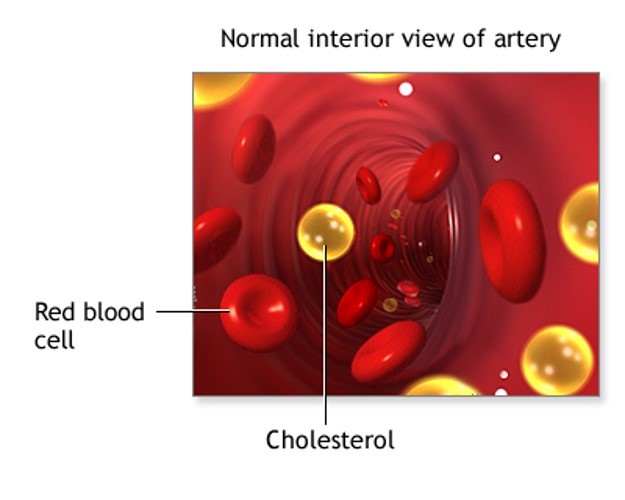
Cholesterol is a soft, wax-like substance found in all parts of the body. Your body needs a little bit of cholesterol to work properly. But too much cholesterol can clog your arteries and lead to heart disease.

Cholesterol blood tests are done to help you and your health care provider better understand your risk for heart disease, stroke, and other problems caused by narrowed or blocked arteries.

The ideal values for all cholesterol results depend on whether you have heart disease, diabetes, or other risk factors. Your provider can tell you what your goal should be.

Cholesterol Tests

Some cholesterol is considered good and some is considered bad. Different blood tests can be done to measure each type of cholesterol.

Your provider may order only a total cholesterol level as the first test. It measures all types of cholesterol in your blood.

You may also have a lipid (or coronary risk) profile, which includes:

·         Total cholesterol

·         Low density lipoprotein (LDL cholesterol)

·         High density lipoprotein (HDL cholesterol)

·         Triglycerides (another type of fat in your blood)

·         Very low density lipoprotein (VLDL cholesterol)

Lipoproteins are made of fat and protein. They carry cholesterol, triglycerides, and other fats, called lipids, in the blood to various parts of the body.

When Should You Be Tested?

Everyone should have their first screening test by age 35 for men, and age 45 for women. Some guidelines recommend starting at age 20.

You should have a cholesterol test done at an earlier age if you have:

·         Diabetes

·         Heart disease

·         Stroke

·         High blood pressure

·         A strong family history of heart disease

Follow-up testing should be done:

·         Every 5 years if your results were normal

·         More often for people with diabetes, high blood pressure, heart disease, stroke, or blood flow problems to the legs or feet

·         Every year or so if you are taking medicines to control high cholesterol

Total Cholesterol

A total cholesterol of 180 to 200 mg/dL or less is considered best.

You may not need more cholesterol tests if your cholesterol is in this normal range.

LDL (Bad) Cholesterol

LDL cholesterol is sometimes called "bad" cholesterol. LDL can clog your arteries.

You want your LDL to be low. Too much LDL is linked to heart disease and stroke.

Your LDL is most often considered to be too high if it is 190 mg/dL or higher.

Levels between 70 and 189 mg/dL are most often considered too high if:

·         You have diabetes and are between ages 40 and 75

·         You have diabetes and a high risk of heart disease

·         You have a medium or high risk of heart disease

Health care providers have traditionally set a target level for your LDL cholesterol if you are being treated with medicines to lower your cholesterol.

·         Some newer guidelines now suggest that providers no longer need to target a specific number for your LDL cholesterol. Higher strength medicines are used for the highest risk patients.

·         However, some guidelines still recommend using specific targets.

HDL (Good) Cholesterol

You want your HDL cholesterol to be high. Studies of both men and women have shown that the higher your HDL, the lower your risk of coronary artery disease. This is why HDL is sometimes referred to as "good" cholesterol.

HDL cholesterol levels greater than 40 to 60 mg/dL are desired.

VLDL (Bad) Cholesterol

VLDL contains the highest amount of triglycerides. VLDL is considered a type of bad cholesterol, because it helps cholesterol build up on the walls of arteries.

Normal VLDL levels are from 2 to 30 mg/dL.

Considerations

Sometimes, your cholesterol levels may be low enough that your provider will not ask you to change your diet or take any medicines.


Source: https://medlineplus.gov/ency/patientinstructions/000386.htm

Contents

Causes

Exams and Tests

Treatment

Outlook (Prognosis)

When to Contact a Medical Professional


Metabolic syndrome is a name for a group of risk factors that occur together and increase the chance of having coronary artery diseasestroke, and type 2 diabetes.

Causes

Metabolic syndrome is becoming very common in the United States. Doctors are not sure whether the syndrome is due to one single cause. But many of the risks for the syndrome are related to obesity.

The two most important risk factors for metabolic syndrome are:

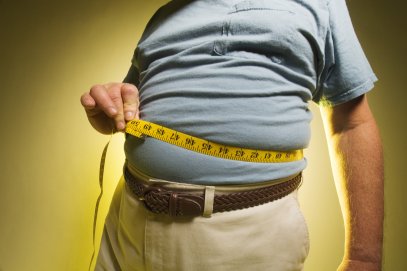
·         Extra weight around the middle and upper parts of the body (central obesity). This body type may be described as "apple-shaped."

·         Insulin resistance. Insulin is a hormone produced in the pancreas. Insulin is needed to help control the amount of sugar in the blood. Insulin resistance means that some cells in the body use insulin less effectively than normal. As a result, blood sugar level rises, which causes insulin to rise. This may increase the amount of body fat.

Other risk factors include:

·         Aging

·         Genes that make you more likely to develop this condition

·         Changes in male, female, and stress hormones

·         Lack of exercise

People who have metabolic syndrome often have one or more other factors that may be linked with the condition, including:

·         Increased risk for blood clotting

·         Increased levels of blood substances that are a sign of inflammation throughout the body

·         Small amounts of a protein called albumin in the urine

Exams and Tests

Metabolic syndrome is present if you have three or more of the following signs:

·         Blood pressure equal to or higher than 130/85 mm Hg

·         Fasting blood sugar (glucose) equal to or higher than 100 mg/dL

·         Large waist circumference (length around the waist): For men, 40 inches (100 centimeters) or more; for women, 35 inches (90 centimeters) or more

·         Low HDL (good) cholesterol: For men, less than 40 mg/dL; for women, less than 50 mg/dL

·         Triglycerides equal to or higher than 150 mg/dL

Treatment

The goal of treatment is to reduce your risk for heart disease, stroke, and diabetes.

Your health care provider will recommend lifestyle changes or medicines:

·         Lose weight. The goal is to lose between 7% and 10% of your current weight. You will probably need to eat 500 to 1,000 fewer calories per day.

·         Get 150 minutes a week of moderate intensity exercise such as walking. Do exercises to strengthen your muscles 2 days a week.

·         Lower your cholesterol by eating healthier foods, losing weight, exercising, and taking cholesterol-lowering medicines, if needed.

·         Lower your blood pressure by eating less salt, losing weight, exercising, and taking medicine, if needed.

Your provider may recommend daily low-dose aspirin.

If you smoke, now is the time to quit.

Outlook (Prognosis)

People with metabolic syndrome have an increased long-term risk of developing heart disease, type 2 diabetes, stroke, kidney disease, and poor blood supply to the legs.

When to Contact a Medical Professional

Call your provider if you have signs or symptoms of this condition.


Source: https://medlineplus.gov/ency/article/007290.htm

Даже несколько минут тренировок в день помогают держать вес в норме

Больше двигайтесь, чтобы сбросить лишний вес! Когда дело касается тренировок, каждая минута на счету, особенно, если вы пытаетесь поддержать вес в норме.
Правила здорового перекуса во время диеты

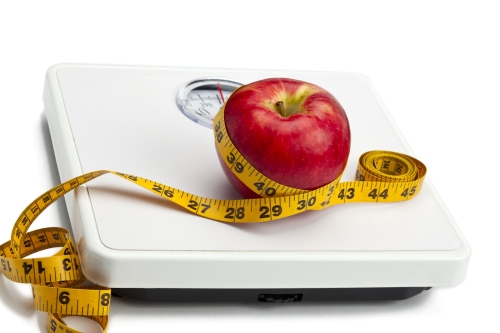
В этом году вы поставили себе цель сбросить лишний вес? Тогда убедитесь, что вы соблюдаете следующие три правила во время перекусов.

Чем нельзя кормить детей дошкольного возраста

Самым активным периодом роста и развития ребенка является возраст от рождения до 7 лет. Поэтому важно позаботиться о том, чтобы организм ребенка именно в этот промежуток времени получал самые необходимые вещества, так как именно в этот период закладываются будущие пищевые привычки вашего ребенка, которые могут серьезно повлиять на всю его жизнь и здоровье.

Силовые тренировки - инструмент для приобретения желаемой формы тела

Невозможно избавиться от жира только в определенной части тела, однако  можно привести в тонус определенные группы мышц, чтобы улучшить внешний вид собственного тела.

Расписание приема пищи – инструмент контроля веса

Поддерживайте жизненные силы на высоком уровне, а вес в норме при помощи структурированного плана приема пищи и перекусов во время праздников.

Возьмите под контроль свои праздничные планы и собственное здоровье, прибегнув к некоторым простым методам по поддержанию веса и уровня сахара в крови в норме.