Impetigo is caused by streptococcus (strep) or staphylococcus (staph) bacteria. Methicillin-resistant staph aureus (MRSA) is becoming a common cause.
The skin normally has many types of bacteria on it. When there is a break in the skin, bacteria can enter the body and grow there. This causes inflammation and infection. Breaks in the skin may occur with:
Animal bites
Human bites
Injury or trauma to the skin
Insect bites
Impetigo may also occur on skin where there is no visible break.
It is most common in children who live in unhealthy conditions.
In adults, it may occur following another skin problem. It may also develop after a cold or other virus.
Impetigo can spread to others. You can catch the infection if the fluid that oozes from the blisters touches an open area on your skin.
Your health care provider will look at your skin to determine if you have impetigo.
The health care provider may take a sample of bacteria from your skin to grow in the lab.This can help determine if MRSA is the cause. Specific antibiotics are needed to treat this type of bacteria.
If you have impetigo, always use a clean washcloth and towel each time.
Do not share towels, clothing, razors, and other personal care products with other family members.
Avoid touching blisters that are oozing.
Wash your hands thoroughly after touching infected skin.
Keep your skin clean to prevent getting the infection. Clean minor cuts and scrapes well with soap and clean water. You can use a mild antibacterial soap.
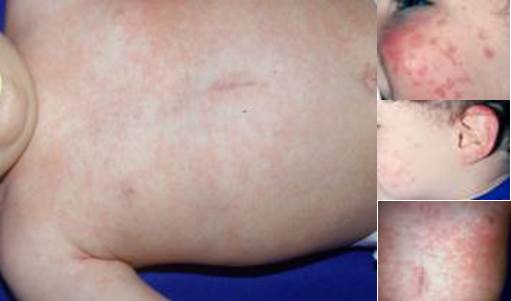
Your health care provider will perform a physical exam and ask questions about the child's medical history. The child may have swollen lymph nodes in the neck or back of the scalp.
There is no specific treatment for roseola. The disease usually gets better on its own without complications.
Acetaminophen and cool sponge baths can help reduce the fever. Some children may have seizures when they get high fevers. If this occurs, call your doctor or go to the closest emergency room.
Syphilis is bacteria infection that is most often spread through sexual contact.
Causes
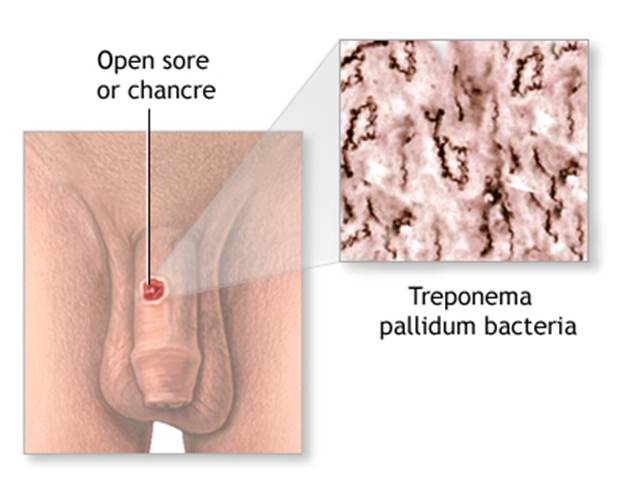
Syphilis is a sexually transmitted, infectious disease caused by the spirochete Treponema pallidum. This bacterium causes infection when it gets into broken skin or mucus membranes, usually of the genitals. Syphilis is most often transmitted through sexual contact, although it also can be transmitted in other ways.
Syphilis occurs worldwide. Syphilis is more common in urban areas, and the number of cases is rising fastest in men who have sex with men. Young adults ages 15 - 25 are the highest-risk population. People have no natural resistance to syphilis.
Because people may be unaware that they are infected with syphilis, many states require tests for syphilis before marriage. All pregnant women who receive prenatal care should be screened for syphilis to prevent the infection from passing to their newborn (congenital syphilis).
Syphilis has three stages:
Primary syphilis
Secondary syphilis
Tertiary syphilis (the late phase of the illness)
Secondary syphilis, tertiary syphilis, and congenital syphilis are not seen as often in the United States as they were in the past because of the availability of:
Blood tests to screen for syphillis bacteria (RPR or VDRL)-- if positive, one of the following tests will be needed to confirm the diagnosis:
FTA-ABS (fluorescent treponemal antibody test)
MHA-TP
Spinal tap, and examination of spinal fluid
Treatment
Syphilis can be treated with antibiotics, such as penicillin G benzathine, doxycycline, or tetracycline (for patients who are allergic to penicillin). Length of treatment depends on how severe the syphilis is, and factors such as the patient's overall health.
For treating syphilis during pregnancy, penicillin is the drug of choice. Tetracycline cannot be used because it is dangerous to the unborn baby. Erythromycin may not prevent congenital syphilis in the baby. People who are allergic to penicillin should ideally be desensitized to it, and then treated with penicillin.
Several hours after getting treatment for the early stages of syphilis, people may experience Jarish-Herxheimer reaction. This is caused by an immune reaction to the breakdown products of the infection.
Follow-up blood tests must be done at 3, 6, 12, and 24 months to ensure that the infection is gone. Avoid sexual contact when the chancre is present, and use condoms until two follow-up tests have indicated that the infection has been cured.
All sexual partners of the person with syphilis should also be treated. Syphilis is extremely contagious in the primary and secondary stages.
Outlook (Prognosis)
Syphilis can be cured if it is diagnosed early and completely treated.
Secondary syphilis can be cured if it is diagnosed early and treated effectively. Although it usually goes away within weeks, in some cases it may last for up to 1 year. Without treatment, up to one-third of patients will have late complications of syphilis.
Late syphilis may be permanently disabling, and it may lead to death.
In addition, untreated secondary syphilis during pregnancy may spread the disease to the developing baby. This is called congenital syphilis.
When to Contact a Medical Professional
Call for an appointment with your health care provider if you have symptoms of syphilis.
If you have had intimate contact with a person who has syphilis or any other STI, or have engaged in any high-risk sexual practices, including having multiple or unknown partners or using intravenous drugs, contact your doctor or nurse, or get screened in an STI clinic.
Prevention
If you are sexually active, practice safe sex and always use a condom.
All pregnant women should be screened for syphilis.
Alternative Names
Primary syphilis; Secondary syphilis; Late syphilis; Tertiary syphilis