Encephalitis is a rare condition. It occurs more often in the first year of life and decreases with age. The very young and older adults are more likely to have a severe case.
Encephalitis is most often caused by a viral infection. Many types of viruses may cause it. Exposure to viruses can occur through:
· Breathing in respiratory droplets from an infected person
· Contaminated food or drink
· Mosquito, tick, and other insect bites
· Skin contact
Different viruses occur in different locations. Many cases occur during a certain season.
Encephalitis caused by the herpes simplex virus is the leading cause of more severe cases in all ages, including newborns.
Routine vaccination has greatly reduced encephalitis due to some viruses, including:
The outcome varies. Some cases are mild and short, and the person fully recovers. Other cases are severe, and permanent problems or death is possible.
The acute phase normally lasts for 1 to 2 weeks. Fever and symptoms gradually or suddenly disappear. Some people may take several months to fully recover.
Children and adults should avoid contact with anyone who has encephalitis.
Controlling mosquitoes (a mosquito bite can transmit some viruses) may reduce the chance of some infections that can lead to encephalitis.
· Apply an insect repellant containing the chemical, DEET when you go outside (but do not use DEET products on infants younger than 2 months).
· Remove any sources of standing water (such as old tires, cans, gutters, and wading pools).
· Wear long-sleeved shirts and pants when outside, especially at dusk.
Children and adults should get routine vaccinations for viruses that can cause encephalitis. People should receive specific vaccines if they are traveling to places such as parts of Asia, where Japanese encephalitis is found.
Vaccinate animals to prevent encephalitis caused by the rabies virus.
Death is possible in people with a severe pulmonary embolism.
Blood thinners may be prescribed to help prevent DVT in people at high risk, or those who are undergoing high-risk surgery.
If you had a DVT, your provider will prescribe pressure stockings. Wear them as instructed. They will improve blood flow in your legs and reduce your risk of blood clots.
Moving your legs often during long plane trips, car trips, and other situations in which you are sitting or lying down for long periods can also help prevent DVT. People at very high risk for blood clots may need shots of a blood thinner called heparin when they take a flight that lasts longer than 4 hours.
Do not smoke. If you smoke, quit. Women who are taking estrogen must stop smoking. Smoking increases your risk of developing blood clots.
Morning sickness often begins 4 to 6 weeks after conception and may continue until the 4th month of pregnancy. Some women have morning sickness during their entire pregnancy. This happens most often for women who are carrying more than 1 baby.
It is called morning sickness because the symptoms are more likely to occur early in the day, but they can occur at any time. For some women, morning sickness lasts all day.
The exact cause of morning sickness is not known.
· Most experts think changes in the woman's hormone levels during pregnancy cause it.
· Other factors that can make the nausea worse include a pregnant woman's enhanced sense of smell and gastric reflux.
Morning sickness that is not severe does not hurt your baby in any way. In fact:
· It may even be a sign that all is well with you and your baby.
· Morning sickness may be associated with a lower risk of miscarriage.
· Your symptoms probably show that the placenta is making all the right hormones for your growing baby.
When nausea and vomiting are severe, a condition known as hyperemesis gravidarum may be diagnosed.
· Eat a lot of protein and carbohydrates. Try peanut butter on apple slices or celery; nuts; cheese and crackers; and low-fat dairy products like milk, cottage cheese, and yogurt.
· Bland foods, such as gelatin, frozen desserts, broth, ginger ale, and saltine crackers, also soothe the stomach.
· Avoid eating foods that are high in fat and salt.
· Try to eat before you get hungry and before nausea occurs.
· Eat a few soda crackers or dry toast when you get up at night to go to the bathroom or before you get out of bed in the morning.
· Avoid large meals. Instead, have a snack as often as every 1 to 2 hours during the day. DO NOT let yourself get too hungry or too full.
· Drink plenty of liquids.
· Try to drink between meals rather than with meals so that your stomach does not get too full.
· Seltzer, ginger ale, or other sparkling waters may help control symptoms.
Foods that contain ginger may also help. Some of these are ginger tea and ginger candy, along with ginger ale. Check to see that they have ginger in them rather than just ginger flavoring.
· Take them at night, since the iron they contain may irritate your stomach. At night, you might be able to sleep through this. Also take them with a little food, not on an empty stomach.
· You may have to try several different brands of prenatal vitamins before finding one you can tolerate.
· You can also try cutting your prenatal vitamins in half. Take half in the morning and the other half at night.
Some other tips are:
· Keep your morning activities slow and calm.
· Avoid poorly ventilated spaces that trap food odors or other smells.
· DO NOT smoke cigarettes or be in areas where people are smoking.
· Get extra sleep and try to lessen stress as much as possible.
Try acupressure wristbands that apply pressure to specific points on your wrist. Often these are used to ease motion sickness. You can find them at drug stores, health food stores, travel stores, and online.
Try acupuncture. Some acupuncturists are trained to work with pregnant women. Talk to your health care provider beforehand.
Vitamin B6 (100 mg or less daily) has been shown to ease symptoms of morning sickness. Many health care providers recommend trying it first before trying other medicines.
There are no drugs currently approved by the Food and Drug Administration to treat morning sickness. Your provider may not advise medicines to prevent nausea unless your vomiting is severe and will not stop.
· The drug doxylamine (brand name Unisom) may be taken along with vitamin B6 to treat nausea and vomiting. Ask your provider before taking it.
· In severe cases, you may be admitted to the hospital, where you will receive fluids through an IV (into your vein).
· Your provider might prescribe other medicines if your morning sickness is severe.
· Your morning sickness does not improve after trying home remedies.
· You are vomiting blood or something that looks like coffee grounds.
· You lose more than 2 pounds (1 kilogram) in a week.
· You have severe vomiting that will not stop. This can cause dehydration (not having enough fluid in your body) and malnutrition (not having enough nutrients in your body).
Unconsciousness is when a person is unable to respond to people and activities. Doctors often call this a coma or being in a comatose state.
Other changes in awareness can occur without becoming unconscious. These are called altered mental status or changed mental status. They include sudden confusion, disorientation, or stupor.
Unconsciousness or any other sudden change in mental status must be treated as a medical emergency.
Brief unconsciousness (or fainting) is often a result from dehydration, low blood sugar, or temporary low blood pressure. It can also be caused by serious heart or nervous system problems. A doctor will determine if the affected person needs tests.
Other causes of fainting include straining during a bowel movement (vasovagal syncope), coughing very hard, or breathing very fast (hyperventilating).
If someone is awake but less alert than usual, ask a few simple questions, such as:
· What is your name?
· What is the date?
· How old are you?
· Wrong answers or not being able to answer the question suggest a change in mental status.
If a person is unconscious or has a change in mental status, follow these first aid steps:
1. Call or tell someone to call 911.
2. Check the person's airway, breathing, and pulse frequently. If necessary, begin CPR.
3. If the person is breathing and lying on their back, and you do not think there is a spinal injury, carefully roll the person toward you onto their side. Bend the top leg so both hip and knee are at right angles. Gently tilt their head back to keep the airway open. If breathing or pulse stops at any time, roll the person onto their back and begin CPR.
4. If you think there is a spinal injury, leave the person where you found them (as long as breathing continues). If the person vomits, roll the entire body at one time to their side. Support their neck and back to keep the head and body in the same position while you roll.
5. Keep the person warm until medical help arrives.
6. If you see a person fainting, try to prevent a fall. Lay the person flat on the floor and raise their feet about 12 inches (30 centimeters).
7. If fainting is likely due to low blood sugar, give the person something sweet to eat or drink when they become conscious.
If the person is unconscious from choking:
· Begin CPR. Chest compressions may help dislodge the object.
· If you see something blocking the airway and it is loose, try to remove it. If the object is lodged in the person's throat, do NOT try to grasp it. This can push the object farther into the airway.
· Continue CPR and keep checking to see if the object is dislodged until medical help arrives.
Viral gastroenteritis is present when a virus causes an infection of the stomach and intestine. The infection can lead to diarrhea and vomiting. It is sometimes called the "stomach flu."
Gastroenteritis can affect one person or a group of people who all ate the same food or drank the same water. The germs may get into your system in many ways:
· Directly from food or water
· By way of objects such as plates and eating utensils
· Passed from person to person by way of close contact
Many types of viruses can cause gastroenteritis. The most common viruses are:
· Norovirus (Norwalk-like virus) is common among school-age children. It may also cause outbreaks in hospitals and on cruise ships.
· Rotavirus is the leading cause in children. It can also infect adults who are exposed to children with the virus, and people living in nursing homes.
· Astrovirus.
· Enteric adenovirus.
People with the highest risk for a severe infection include young children, older adults, and people who have a suppressed immune system.
The health care provider will look for signs of dehydration, including:
· Dry or sticky mouth
· Lethargy or coma (severe dehydration)
· Low blood pressure
· Low or no urine output, concentrated urine that looks dark yellow
· Sunken soft spots (fontanelles) on the top of an infant's head
· No tears
· Sunken eyes
Tests of stool samples may be used to identify the virus that is causing the sickness. Most of the time, this test is not needed. A stool culture may be done to find out if the problem is being caused by bacteria.
The goal of treatment is to make sure the body has enough water and fluids. Fluids and electrolytes (salt and minerals) that are lost through diarrhea or vomiting must be replaced by drinking extra fluids. Even if you are able to eat, you should still drink extra fluids between meals.
· Older children and adults can drink sports beverages such as Gatorade, but these should not be used for younger children. Instead, use the electrolyte and fluid replacement solutions or freezer pops available in food and drug stores.
· Do NOT use fruit juice (including apple juice), sodas or cola (flat or bubbly), Jell-O, or broth. These liquids do not replace lost minerals and can make diarrhea worse.
· Drink small amounts of fluid (2 to 4 oz. or 60 to 120 mL) every 30 to 60 minutes. Do not try to force down large amounts of fluid at one time, which can cause vomiting. Use a teaspoon (5 milliliters) or syringe for an infant or small child.
· Babies can continue to drink breast milk or formula along with extra fluids. You do NOT need to switch to a soy formula.
Try eating small amounts of food frequently. Foods to try include:
· Cereals, bread, potatoes, lean meats
· Plain yogurt, bananas, fresh apples
· Vegetables
If you have diarrhea and are unable to drink or keep down fluids because of nausea or vomiting, you may need fluids through a vein (IV). Infants and young children are more likely to need IV fluids.
Parents should closely monitor the number of wet diapers an infant or young child has. Fewer wet diapers is a sign that the infant needs more fluids.
People taking water pills (diuretics) who develop diarrhea may be told by their provider to stop taking them until symptoms improve. However, DO NOT stop taking any prescription medicine without first talking to your provider.
Antibiotics do not work for viruses.
You can buy medicines at the drugstore that can help stop or slow diarrhea.
· Do not use these medicines without talking to your provider if you have bloody diarrhea, a fever, or if the diarrhea is severe.
Call your provider if diarrhea lasts for more than several days or if dehydration occurs. You should also contact your provider if you or your child has these symptoms:
Most viruses and bacteria are passed from person to person by unwashed hands. The best way to prevent stomach flu is to handle food properly and wash your hands thoroughly after using the toilet.
A vaccine to prevent rotavirus infection is recommended for infants starting at age 2 months.
Bacterial gastroenteritis can affect one person or a group of people who all ate the same food. It more commonly occurs after eating at picnics, school cafeterias, large social functions, or restaurants.
The germs may get into your food (called contamination) in different ways:
Meat or poultry may come into contact with bacteria from the intestines of an animal being processed
Water that is used during growing or shipping may contain animal or human waste
Improper food handling or preparation in grocery stores, restaurants, or homes
Food poisoning often occurs from eating or drinking:
Any food prepared by someone who did not wash their hands properly
Any food prepared using unclean cooking utensils, cutting boards, or other tools
Dairy products or food containing mayonnaise (such as coleslaw or potato salad) that have been out of the refrigerator too long
Frozen or refrigerated foods that are not stored at the proper temperature or are not reheated properly
Raw fruits or vegetables that have not been washed well
Raw vegetable or fruit juices and dairy products (look for the word "pasteurized" to make sure the food is safe to eat or drink)
Undercooked meats or eggs
Water from a well or stream, or city or town water that has not been treated
Many different types of bacteria can cause bacterial gastroenteritis, including:
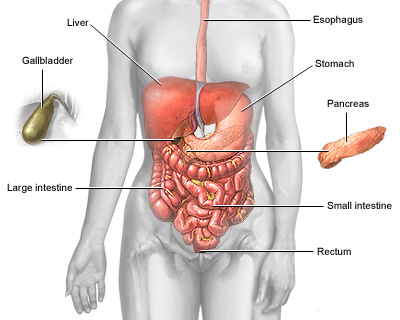
Figure: Your small intestine is the longest part of your digestive system - about twenty feet long! It connects your stomach to your large intestine (or colon) and folds many times to fit inside your abdomen. Your small intestine does most of the digesting of the foods you eat. It has three areas called the duodenum, the ileum, and the jejunum.
Your health care provider will examine you for signs of food poisoning, such as pain in the stomach and signs your body does not have as much water and fluids as it should. This is called dehydration.
Laboratory tests may be done on the food or a stool sample to determine what germ is causing your symptoms. However, these tests do not always show the cause of the diarrhea.
Tests may also be done to look for white blood cells in the stool, a sign of infection.
You will usually recover from the most common types of bacterial gastroenteritis in a couple of days. The goal is to make you feel better and avoid dehydration.
Drinking enough fluids and learning what to eat will help keep you or your child comfortable. You may need to:
If you have diarrhea and are unable to drink or keep down fluids because of nausea or vomiting, you may need fluids through a vein (IV). This is especially true for young children.
If you take diuretics ("water pills"), talk to your health care provider. You may need to stop taking the diuretic while you have diarrhea. Never stop or change medications without first talking to your health care provider.
Antibiotics are usually not prescribed for most common types of bacterial gastroenteritis, unless the diarrhea is very severe.
You can buy medicines at the drugstore that can help stop or slow diarrhea.
Do not use these medicines without talking to your health care provider if you have bloody diarrhea, a fever, or the diarrhea is severe.
Холангит – бұл – өттің бауырдан өт қабына және ішекке өтетін жалпы өт түтігінің инфекциясы. Өт – бауырда өндірілетін, тамақты қорытуға көмектесетін сұйықтық.
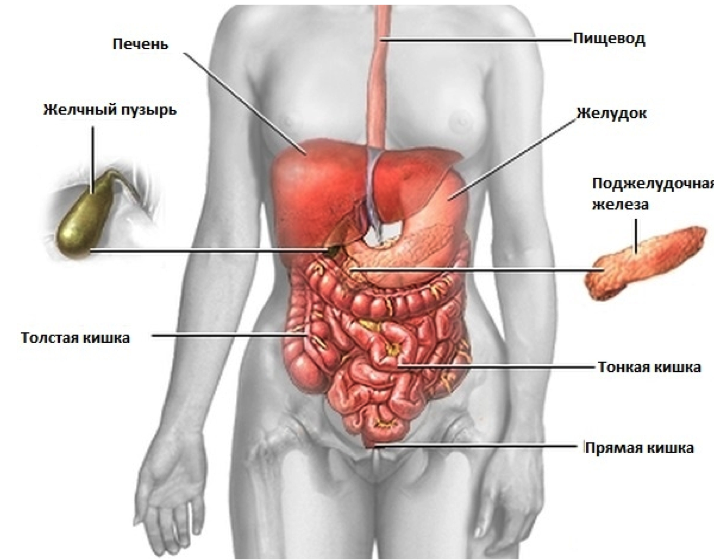
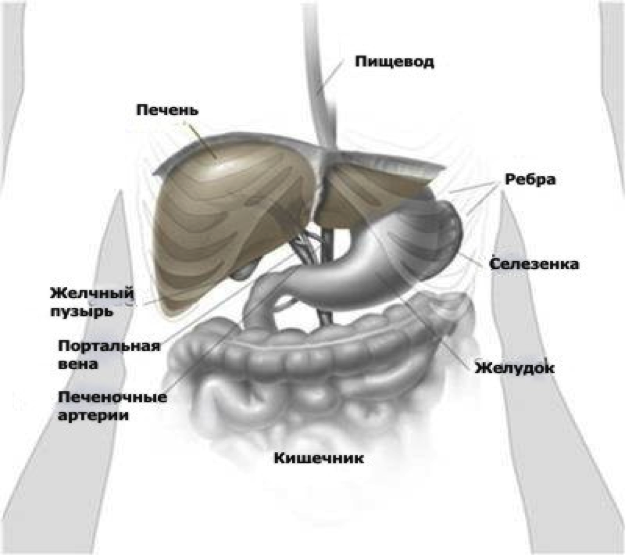
Іш қуысындағы ағзалар: өңеш, асқазан, тоқ және аш ішектер, бауыр, өт қабы және ұйқыбезі тағамның қоректік заттектерін энергияға айналдырады және тағамның қоректік емес бөліктерін қоқыстарға ыдыратады, кейіннен олар организмнен сыртқа шығарылады.
Бауыр - адам организміндегі ең үлкен ағза. Ол іштің оң жақ қабырға аумағында орналасқан. Бауыр екі бөліктен тұрады – үлкен өлшемді оң бөлігі және кіші сол бөлігі. Бауыр бірқатар маңызды қызметті атқарады. Ол қаннан зиянды заттектерді сыртқа шығарады. Сондай-ақ, бауыр асты қорытуға көмектесетін ферменттер мен өтті өндіреді. Бауыр тағамдық заттектерді зат алмасуында, организмнің өсуі мен дамуында қатысатын ұсақ қосылыстарға дейін ыдыратады. Бауыр қанды екі қантамыры арқылы алады. Негізгі тамыр – бауырдың қақпа венасы. Екіншісі – бауыр артериясы.
Холангит әдетте, бактериалдық инфекцияға байланысты болады, ол түтіктің өт тасымен немесе ісікпен бітелуінде пайда болуы мүмкін. Бұл жағдайды туындататын инфекция бауырға таралуы мүмкін.
Аурулардың қауіп факторларына жататындар: өт-тас ауруы, беріштендіретін холангит, АИТВ - инфекциясы, жалпы өт түтігінің тарылуы, сирек жағдайларда, паразиттік инфекцияны жұқтыруы мүмкін елдерге сапар шегу.
Алдымен, науқастардың көпшілігіне инфекцияны емдеу үшін антибиотиктер тағайындалады. ЭРХПГ және басқа хирургиялық шаралар науқастың жағдайы тұрақты болғанда өткізіледі.
Жағдайы тез нашарлайтын науқастарға шұғыл хирургиялық емдеу қажет болады.
Өт-тас ауруын, ісіктерді және паразиттік араласуды емдеу холангиттің пайда болу қаупін азайтуы мүмкін. Аурудың қайтадан пайда болуының алдын алу үшін өт бөлу жүйесінде металл немесе пластик стент қойылуы қажет болуы мүмкін.
What is giardiasis?
Giardia (say gee-ar-dee-ah) is the name of a microscopic parasite that can live in the human bowel. The sickness that this parasite causes is called giardiasis (say gee-ar-dye-a-sis). Some symptoms of giardiasis are diarrhea, belching, gas and cramps. Although these problems are very unpleasant, the illness isn't usually dangerous.
How does a person get this disease?
Giardiasis is easy to catch if you drink untreated water. Many animals carry giardia in their feces and may introduce this parasite into rivers, streams and springs in rural areas. Infected stream water may look clean and safe when it really isn't. City water may also be infected if sewer lines flood or leak. If you travel overseas, you may get giardiasis by drinking water (even tap water) that hasn't been boiled or treated.
Some people who get giardiasis don't become ill, but they may spread the parasite to other people. Giardiasis may be spread in day care centers if workers aren't careful to wash their hands each time after changing diapers.
How can my doctor tell if I have this disease?
Your doctor can usually diagnose giardiasis by looking at stool samples under a microscope, although several samples may have to be checked before the diagnosis can be made. Sometimes other tests may be necessary.
How is this disease treated?
Giardiasis is usually treated with a medicine called metronidazole. It's usually taken 3 times a day for 5 to 10 days. Side effects may include a metallic taste in the mouth or nausea. If you take metronidazole, you should not drink any alcohol. This medicine shouldn't be taken in the early stages of pregnancy.
Children younger than 5 years of age may be treated with furazolidone. This medicine has fewer side effects and comes in a liquid form, but it shouldn't be given to babies younger than 1 month of age.
It's usually best if a whole family is treated at the same time, because giardiasis is so easily spread. In most cases, your doctor will want to check a stool sample after the treatment to be sure the medicine worked. Sometimes you may need to take medicine for a longer time, or your doctor may want you to take another medicine for a complete cure.
How can I prevent giardiasis?
If you are traveling or camping, be very careful about the water you drink. If someone in your family gets giardiasis, it's likely that this problem will spread to everyone in your home--especially to the children.
When camping, take bottled water or boil water before you use it. Wash your hands carefully with soap and water several times a day. When traveling, don't brush your teeth or wash dishes with water that hasn't been boiled. Peel raw fruits and vegetables before you eat them, and don't eat undercooked food.
Questions to Ask Your Doctor
My family is going camping. How can we prevent giardiasis?
What should I do if I think I have giardiasis?
Do water filters prevent giardiasis?
What are the symptoms of giardiasis?
Are there medicines that prevent giardiasis? Is there a vaccine for giardiasis?
What medicines treat giardiasis? Are there side effects?