Дерматит - бұл терінің қабынуы, бөртпенің шығуы.Өз кезегінде дерматиттің диагнозы терінің неге қабынғанын туралы ештеңе айтпайды, бірақ ол тек қабыну. Мысалы, ядовитым плющомбайланыста болғаннан кейін, кейбір адамдардың терісі қызарып, көпіршіктермен жабылады; бұлжанаспадерматит деп аталады.
Суық, құрғақ, қысқы жел терінің қызаруы мен терінің қабыршақтануына алып келеді - бұл қыстық дерматит. Кейбір адамдар мұрынның көпіріне терінің қызаруы мен қабыршықтануы үшін бас сүйегінің мұрагері болып табылады, бастың шаштары астында, шаштың астында, ал құлағына саборых экзема жатады.
Кейбір адамдарда мұрынның кеңсірігінде,шаштың, қастың, құлағының астындағы шаштарда қызару,терінің қабыршақтануы тұқым қуалайды екен – бұл себорейді экзема.
Дерматиттің емі
Атопиялық дерматитте аллергендер мыналар болуы мүмкін:
Үй жануардың жүні
Аквариумдағы балықтардың құрғақ тағамы
Жастық-көрпешедегі жүн
Косметика және парфюмерия
Өсімдік тозаңы
Азық-түліктер (бал, цитрусты жемістер, жаңғақ, шоколад, құрамындағы бояғыш тағамдар.)
Сондықтан дәрі-дәрмекке қосымша, емдеу аллергенді мұқият іздестіруді және науқаспен сол аллергенмен байланыстың тоқтатылуын қамтамасыз ету.
Аударған: Амантай Назерке
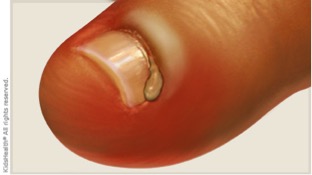
Бұл не? Паронихия - тырнақ айналасындағы тері инфекциясы (саңырауқұлақтық немесебактериальді). Бұл ауру дерматит, псориаз, қанайналу бұзылуы нәтижесінде болуы мүмкін. Ең жиі себебі Candida albicans туысындағы саңырауқұлақтар болып табылады.
Симптомдары қандай? Жедел түрінде қызару немесе ісіну симмтомдары кенеттен дамып, қысқа уақыт аралығына созылады.Созылмалы түрінде симптомдар үзіліссіз немесе кезеңді болуы мүмкін. Созылмалы паронихия – ыдыс жуушы, кір жуушы, бармен және шаштараздардың кәсіптік ауруы. Инфекцияны жұқтыру қолды ұзақ уақыт суда ұстау, жарақат, қырыну, заусеницны кесіп алуы нәтижесінде болуы мүмкін.
Нестеу керек? Аздаған қызару мен ісінуді үй жағдайында мұқият тазалау арқылы кетіруге болады. Кей жағдайда антибиотиктермен немесе саңырауқұлаққа қарсы заттармен емдеуді қажет етеді. Кейде кішігірім хирургиялық ем жасауға-зақымдалған аймақты дренаждау үшін дәрігер көмегі керек.
Тері күтімін дұрыс жүргізу үшін тұрғылықты жеріңіз бойынша тері ауруларының маманына жолығыңыз.
Paronychia (pronounced: pair-uh-NIK-ee-uh) is an infection of the skin around a fingernail or toenail. The infected area can get swollen, red, and painful. Sometimes a pus-filled blister may form.
Most of the time, paronychia is no big deal and can be treated at home. In rare cases, the infection can spread to the rest of the finger or toe. When that happens, it can lead to bigger problems that may need a doctor's help.
You're not likely to get paronychia in a toe (unless you have an ingrown toenail). But fingernail paronychia is one of the most common hand infections there is.
Paronychia usually happens when the skin around a person's nail is irritated or injured. When the skin around the nail is damaged, germs can get in and cause an infection. These germs can be bacteria (causing bacterial paronychia) or fungi (causing fungal paronychia).
Common paronychia causes include:
· biting or pulling off a hangnail
· frequent sucking on a finger
· clipping a nail too short or trimming the cuticle (the skin around the sides and bottom of the nail)
· getting manicures
· having hands in water a lot (as from a job washing dishes in a restaurant)
Some people get paronychia infections after a manicure or using from chemicals in the glue used with artificial nails. Certain health conditions (like diabetes) also can make paronychia more likely. And if your hands are in water a lot (if you wash dishes at a restaurant, for example), that ups the chances of getting paronychia.
Chances are, if you have paronychia, it will be easy to recognize. There will be an area of skin around a nail that is painful and tender when you touch it. The area probably will be red and swollen and feel warm. You may see a pus-filled blister.
If the paronychia has been there a long time, the nail may turn a different color. It might not be its usual shape or might look as if it's coming away from the nail bed.
If paronychia is mild and hasn't started to spread beyond the fingernail, you can probably treat it at home. Soak the infected nail in warm water for 20 minutes a few times a day. The infection will probably heal on its own in a few days.
If paronychia doesn't get better after a week or so, call your doctor. You'll want to call a doctor right away if you have an abscess (a pus-filled area in the skin or under the nail) or if it looks like the infection has spread beyond the area of the nail.
If paronychia becomes severe and you don't see a doctor, infection can spread through the finger or toe and move into the rest of the body. Luckily, this is very rare.
Usually, a doctor or nurse practitioner will be able to diagnose paronychia just by examining the infected area. In some cases, a doctor may take a pus sample to be examined in a laboratory to determine what type of germ is causing the infection.
If you have diabetes, let your doctor know if you notice any signs of paronychia, even if it seems mild.
Don't try to puncture or cut into an abscess yourself. Doing that can lead to a more serious infection or other complications. The doctor may need to drain the abscess and possibly prescribe antibiotic medications to treat the infection. Once an abscess is treated, the finger or toe almost always heals very quickly.
If someone has fungal paronychia, a doctor may prescribe antifungal creams, lotions, or other medicines.
Here are some things that can lessen your chances of developing paronychia:
· Don't bite your nails or pick at the cuticle area around them.
· Don't cut nails too short. Trim your fingernails and toenails with clippers or manicure scissors, and smooth the sharp corners with an emery board or nail file. The best time to do this is after a bath or shower, when your nails are softer.
· Don't push your cuticles back, trim them, or use cuticle remover. Damaging your cuticles gives bacteria a way to get into your skin and cause an infection.
· If you'll be washing a lot of dishes or if your hands might be coming into contact with chemicals, wear rubber gloves.
· If you have diabetes, make sure it is under control.
· Practice good hygiene: keep your hands and feet clean and dry.
· If you get manicures or pedicures at a nail salon, consider bringing along your own clippers, nail files, and other tools.
As much as possible, try to avoid injuring your nails and the skin around them. Nails grow slowly. Any damage to them can last a long time.
A rash is an area of irritated or swollen skin. Many rashes are itchy, red, painful, and irritated. Some rashes can also lead to blisters or patches of raw skin. Rashes are a symptom of many different medical problems. Other causes include irritating substances and allergies. Certain genes can make people more likely to get rashes.
Contact dermatitis is a common type of rash. It causes redness, itching, and sometimes small bumps. You get the rash where you have touched an irritant, such as a chemical, or something you are allergic to, like poison ivy.
Эризипелоидтің қоздырғышы - Erysipelothrix Rhusiopathiae бактериясы. Бактериялардың бұл түрі балықта, құста, сүт қоректілерде, моллюскілер мен шаян тәрізділерде мекендейді. Адамдар әдетте, осы жануарлармен жұмыс істегенде жұқтырады (мысалы, фермерлер немесе қасапшылар).
Инфекция сирек таралады және өздігінше өтуі мүмкін.
Erysipeloid is inflammation of the skin (dermatitis) due to bacteria.
Causes
Erysipeloid is caused by the bacteria, Erysipelothrix rhusiopathiae. This type of bacteria is found in fish, birds, mammals, and shellfish. It usually affects people who work with these animals (such as farmers or butchers).
Symptoms
The main symptom is warmth, tenderness, and redness on the skin.
Treatment
Antibiotics, especially penicillin, are used to treat this condition.
Outlook (Prognosis)
The infection rarely spreads. It may get better on its own.
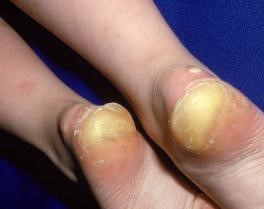
A callus is a skin condition that occurs when the skin is subjected to pressure and forms a hard, thick surface to protect itself. Calluses are most commonly found on the soles of the feet and the toes but can be found anywhere that the skin is consistently under pressure, including the fingertips (particularly in musicians) and palms. A callus is similar to a corn, which is also a thick growth of skin on the feet or toes, but a corn tends to cover a smaller surface area and has a central core of softer skin, where a callus tends to be larger and without a central core. Calluses are not contagious, but other contagious conditions such as athlete's foot can mimic callus, and it is important to discuss any concerns with your doctor. There is no cure for calluses, but the regular use of certain creams and sometimes files or pumice stones can keep them under control.
Anyone of any age can get a callus except non-weight-bearing infants (though tight or ill-fitting shoes may give them blisters, it really takes pressure to get a corn or callus). Calluses are often caused by poorly fitting shoes or by standing, running, walking, or performing other repetitive exercises. Calluses are also more common in people with crooked toes.
Avoidance of the repetitive forces causing calluses, such as altering shoe style, is the best method of prevention.
Gentle paring with an emery board or a pumice stone may help to decrease the thickened skin. A soft fabric, such as felt, should be applied after paring to protect the underlying skin, or shoe pads that go inside your shoes should be used to help relieve the pressure so foot calluses can heal.
Calluses do not require medical intervention, but seek evaluation if they become bothersome. Diabetics should pay careful attention to their feet given the risk of development of diabetic ulcers on the feet.