.

курение | zdrav.kz
X

Электрондық поштаңызға соңғы жаңалықтарды алыңыз

X

Получайте самые последние новости на свой e-mail

курение

Понедельник - лучший день чтобы бросить курить

Пытаетесь бросить курить или знакомы с тем, кто хочет бросить курить? Понедельник может стать самым подходящим днем для изменения своего образа жизни в лучшую сторону.

 

Contents

When to see a doctor

Nerve damage or irritation

Central nervous system disorders

Metabolic disorders and drugs

What you can do

What to expect from your doctor

Laboratory tests

Imaging tests

Endoscopic tests

Medications

Surgical and other procedures


Hiccups are involuntary contractions of the diaphragm — the muscle that separates your chest from your abdomen and plays an important role in breathing. Each contraction is followed by a sudden closure of your vocal cords, which produces the characteristic "hic" sound.

Hiccups may result from a large meal, alcoholic beverages or sudden excitement. In some cases, hiccups may be a sign of an underlying medical condition. For most people, a bout of hiccups usually lasts only a few minutes. Rarely, hiccups may persist for months. This can result in malnutrition and exhaustion.

The characteristic sound of a hiccup is the only sign. Sometimes the only symptom is a slight tightening sensation in your chest, abdomen or throat that precedes the sound.

When to see a doctor


Make an appointment to see your doctor if your hiccups last more than 48 hours or if they are so severe that they cause problems with eating, sleeping or breathing.

The most common triggers for hiccups that last less than 48 hours include:

·         Drinking carbonated beverages

·         Drinking too much alcohol

·         Eating too much

·         Excitement or emotional stress

·         Sudden temperature changes

·         Swallowing air with chewing gum or sucking on candy

Hiccups that last more than 48 hours may be caused by a variety of factors, which are generally grouped into the following categories.

Nerve damage or irritation


The most common cause of long-term hiccups is damage to or irritation of the vagus nerves or phrenic nerves, which serve the diaphragm muscle.Factors that may cause damage or irritation to these nerves include:

·         A hair or something else in your ear touching your eardrum

·         A tumor, cyst or goiter in your neck

·         Gastroesophageal reflux

·         Sore throat or laryngitis

Central nervous system disorders


A tumor or infection in your central nervous system or damage to your central nervous system as a result of trauma can disrupt your body's normal control of the hiccup reflex. Examples include:

·         Encephalitis

·         Meningitis

·         Multiple sclerosis

·         Stroke

·         Traumatic brain injury

·         Tumors

Metabolic disorders and drugs


Long-term hiccups can be triggered by:

·         Alcoholism

·         Anesthesia

·         Barbiturates

·         Diabetes

·         Electrolyte imbalance

·         Kidney failure

·         Steroids

·         Tranquilizers

Men are much more likely to develop long-term hiccups than are women. Other factors that may increase your risk of hiccups include:

·         Mental or emotional issues. Anxiety, stress and excitement have been associated with some cases of short-term and long-term hiccups.

·         Surgery. Some people develop hiccups after undergoing general anesthesia or after procedures that involve abdominal organs.

Prolonged hiccups may interfere with:

·         Eating

·         Sleeping

·         Speech

·         Wound healing after surgery

While you may initially consult your family doctor about your persistent hiccups, he or she may refer you to a doctor who specializes in neurological disorders.

What you can do


You may want to write a list that includes:

·         Detailed descriptions of your symptoms

·         Information about medical problems you've had

·         Information about the medical problems of your parents or siblings

·         All the medications and dietary supplements you take

·         Questions you want to ask the doctor

What to expect from your doctor


Your doctor may ask:

·         When did your hiccups start?

·         How often do they occur?

·         Is there anything that worsens or alleviates them?

·         What medications are you taking?

·         Have you had a sore throat or earache?

·         Do you have indigestion symptoms or bloating?

·         Have you had a sore throat or changes in your voice?

·         Have you had chest pain, cough or difficulty breathing?

During the physical exam, your doctor may perform a neurological exam to check your:

·         Balance and coordination

·         Muscle strength and tone

·         Reflexes

·         Sight and sense of touch

If your doctor suspects an underlying medical condition may be causing your hiccups, he or she may recommend one or more of the following tests.

Laboratory tests


Samples of your blood may be checked for signs of:

·         Infection

·         Diabetes

·         Kidney disease

Imaging tests


These types of tests may be able to detect anatomical abnormalities that may be affecting the vagus nerve, phrenic nerve or diaphragm. Imaging tests may include:

·         Chest X-ray

·         Computerized tomography (CT)

·         Magnetic resonance imaging (MRI)

Endoscopic tests


These procedures utilize a thin, flexible tube containing a tiny camera, which is passed down your throat to check for problems in your esophagus or windpipe.

Most cases of hiccups go away on their own without medical treatment. If an underlying medical condition is causing your hiccups, treatment of that illness may eliminate the hiccups. The following treatments may be considered for hiccups that have lasted longer than two days.

Medications


Drugs commonly used to treat long-term hiccups include:

·         Chlorpromazine

·         Metoclopramide

·         Baclofen

Surgical and other procedures


If less invasive treatments aren't effective, your doctor may recommend an injection of an anesthetic to block your phrenic nerve to stop hiccups.

Another option is to surgically implant a battery-operated device to deliver mild electrical stimulation to your vagus nerve. This procedure is most commonly used to treat epilepsy, but it has also helped control persistent hiccups.

Although there's no certain way to stop hiccups, if you have a bout of hiccups that lasts longer than a few minutes, the following home remedies may provide relief, although they are unproven:

·         Breathe into a paper bag

·         Gargle with ice water

·         Hold your breath

·         Sip cold water

When long-term hiccups don't respond to other remedies, alternative treatments, such as hypnosis and acupuncture, may be helpful.


Source: http://www.mayoclinic.org/diseases-conditions/hiccups/basics/definition/CON-20031471?p=1

Atherosclerosis, or hardening of the arteries, is a condition in which plaque builds up inside the arteries. Plaque is made of cholesterol, fatty substances, cellular waste products, calcium and fibrin (a clotting material in the blood). 

Atherosclerosis is a type of arteriosclerosisArteriosclerosis is a general term for the thickening and hardening of arteries.  

What damage does atherosclerosis cause?
Plaque may partially or totally block the blood's flow through an artery in the heart, brain, pelvis, legs, arms or kidneys. Some of the diseases that may develop as a result of atherosclerosis include coronary heart disease, angina (chest pain), carotid artery disease, peripheral artery disease (PAD) and chronic kidney disease.

Two things that can happen where plaque occurs are:

  • A piece of the plaque may break off.
  • A blood clot (thrombus) may form on the plaque's surface.

If either of these occurs and blocks the artery, a heart attack or stroke may result.

Atherosclerosis affects large and medium-sized arteries. The type of artery affected and where the plaque develops varies with each person.

Atherosclerosis is a slow, progressive disease that may start in childhood. In some people the disease progresses rapidly in their 30s. In others it doesn't become dangerous until they reach their 50s or 60s. However, it is normal to have some hardening of the arteries as you get older.

How does atherosclerosis start and progress?

It's a complex process. Exactly how atherosclerosis begins or what causes it isn't known, but some theories have been proposed. Many scientists believe plaque begins to form because the inner lining of the artery, called the endothelium, becomes damaged. Three possible causes of damage to the arterial wall are:

Smoking greatly aggravates and speeds up the growth of atherosclerosis in the coronary arteries, the aorta and the arteries of the legs.

Because of the damage, fats, cholesterol, platelets, cellular debris and calcium accumulate over time in the artery wall. These substances may stimulate the cells of the artery wall to produce other substances, resulting in the accumulation of more cells in the innermost layer of the artery wall where the atherosclerotic lesions form. These cells accumulate, and many divide. At the same time, fat builds up within and around these cells. They also form connective tissue.

The arterial wall becomes markedly thickened by these accumulating cells and surrounding material. The artery narrows and blood flow is reduced, thus decreasing the oxygen supply.

Often a blood clot forms and blocks the artery, stopping the flow of blood. If the oxygen supply to the heart muscle is reduced, a heart attack can occur. If the oxygen supply to the brain is cut off, a stroke can occur. And if the oxygen supply to the extremities is reduced, gangrene can result.


Source: http://www.heart.org/HEARTORG/Conditions/Cholesterol/WhyCholesterolMatters/Atherosclerosis_UCM_305564_Article.jsp#.WGxRdPmLSbg

Понедельник - лучший день, чтобы бросить курить

Пытаетесь бросить курить или у вас есть знакомые, желающие избавиться от вредной привычки? Понедельник может стать самым подходящим днем для изменения своего образа жизни в лучшую сторону.

Продолжительность жизни тех, кто бросил курить до 40 лет, такая же, как и у тех, кто никогда не курил

Курильщики, которые бросают курить в молодом возрасте, имеют шанс прожить столько же, сколько и те, кто никогда не курил, сообщает медицинский портал zdrav.kz со ссылкой на исследование канадских ученых, опубликованное в Медицинском журнале Новой Англии (New England Journal of Medicine).

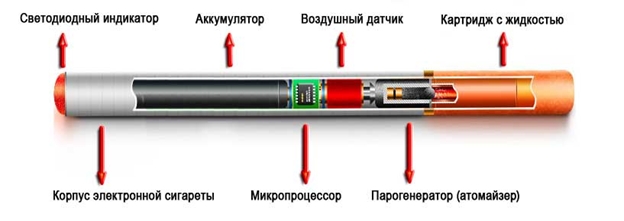
Все о потенциальном вреде для здоровья от электронных сигарет

Данная статья была опубликована в связи с решением ВОЗ о запрете электронных сигарет, содержащих никотин. 

До сих пор никто не знает, безопасны ли электронные сигареты. В рекламных роликах утверждается, что электронные сигареты помогают людям бросить курить, однако на одно исследование не подтвредило данный тезис.