Аритмией называется нарушение сердечного ритма или частоты сердцебиения (пульса). Сердце может биться слишком быстро (тахикардия), слишком медленно (брадикардия) или нерегулярно.
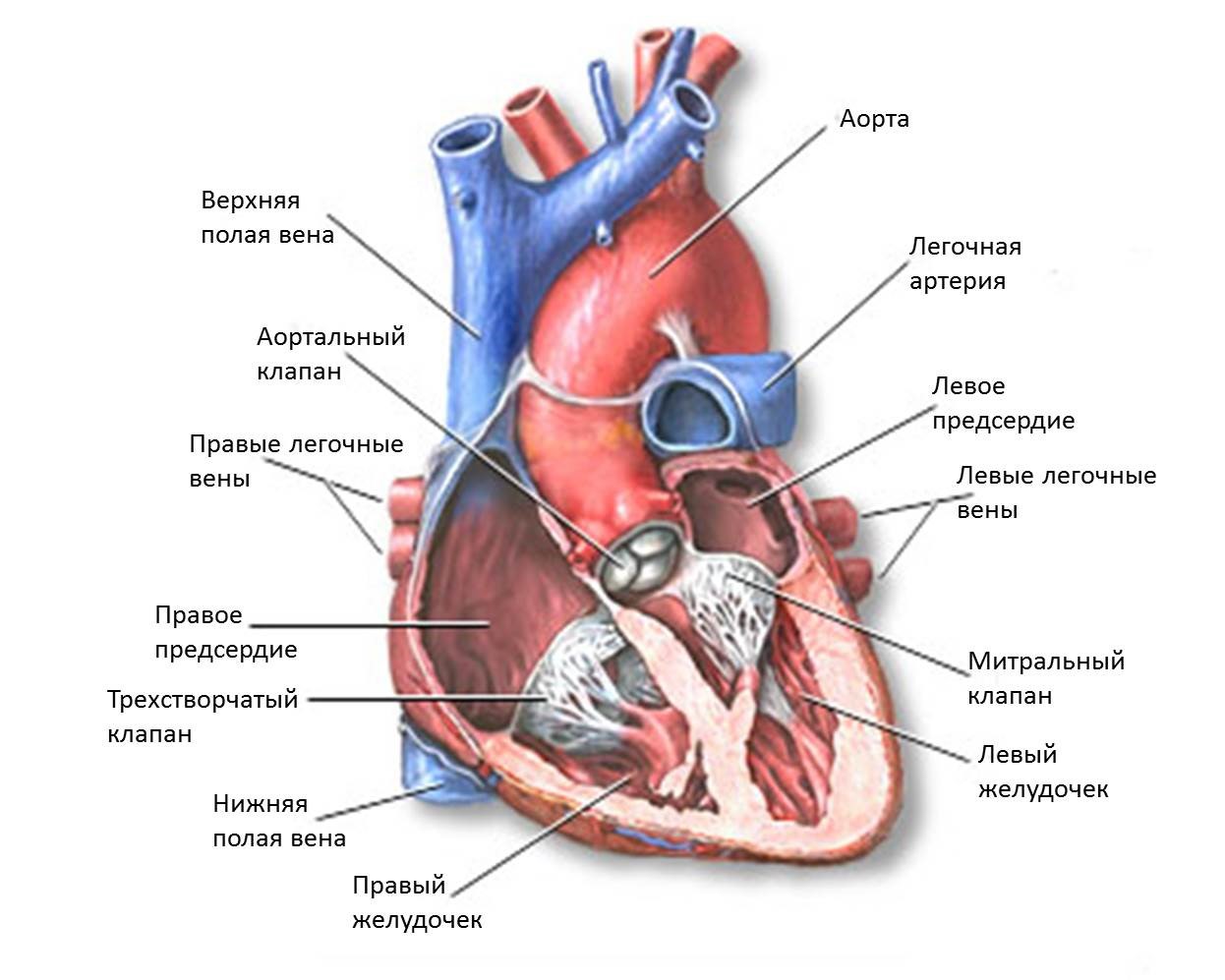
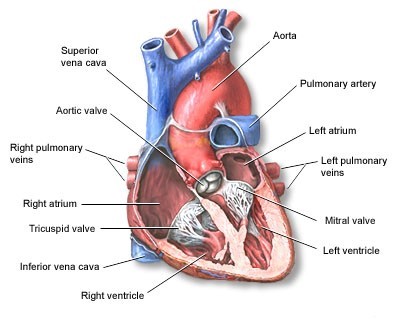
В норме сердце работает как насос, способствующий поступлению крови к легким и остальным частям тела.
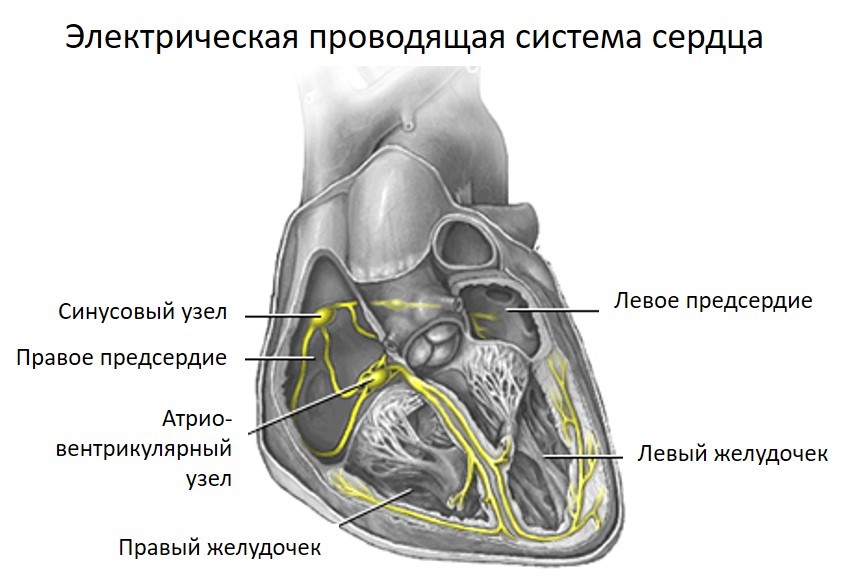
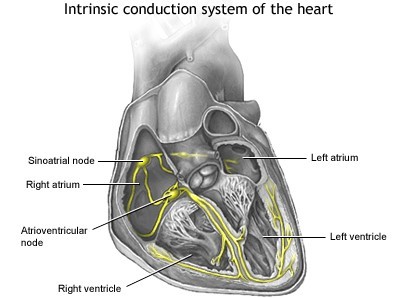
Для запуска данного механизма у сердца есть проводящая система, отвечающая за сокращение сердца в правильном ритме.
· Электрический импульс, сигнализирующий сердцу о необходимости сокращения, зарождается в синоатриальном узле (также называемом синусовым узлом или СА узлом). Он является естественным кардиостимулятором Вашего сердца.
· Импульс выходит из синусового узла и распространяется по сердцу вдоль множества проводящих путей.
· Под воздействием различных нервных импульсов сердце сокращается медленнее или быстрее.
Аритмии возникают при наличии проблем в проводящей системе сердца.
· Могут иметь место аномальные (дополнительные) сигналы.
· Электрические импульсы могут замедляться или блокироваться.
· Электрические импульсы могут распространяться по новым или различным проводящим путям сердца.
К наиболее частым причинам нарушения сердечного ритма относятся:
· Аномальный уровень калия или других веществ в организме
Аритмия может быть постоянной или периодической. При наличии аритмии Вы не всегда можете чувствовать какие-либо симптомы. Также симптомы могут быть более заметны при физической активности.
Симптомы могут быть легкими, тяжелыми или жизнеугрожающими.
При серьезных нарушениях сердечного ритма может понадобиться экстренное лечение для восстановления нормального ритма. К данным методам лечения относятся:
· Электрическая "шоковая" терапия (дефибрилляция или кардиоверсия)
· Имплантация временного кардиостимулятора
· Внутривенное или пероральное введение лекарственных препаратов.
Иногда наилучшим способом предотвращения возникновения аритмии является надлежащее лечение стенокардии или сердечной недостаточности.
Лекарственные препараты, называемые антиаритмическими, могут применяться в следующих случаях:
· Для профилактики повторного возникновения аритмии
· Для поддержания нормальной частоты сердечного ритма
У некоторых из этих препаратов могут быть побочные эффекты. Их необходимо принимать, точно следуя указаниям врача. Не следует отменять прием препарата или отменять его, не проконсультировавшись с врачом.
К другим методам лечения, направленным на профилактику и лечение нарушений сердечного ритма, относятся:
· Абляция сердца, используемая для разрушения определенных участков сердца, способных провоцировать аритмию.
· Имплантация кардиовертера - дефибриллятора лицам с высоким риском внезапной сердечной смерти
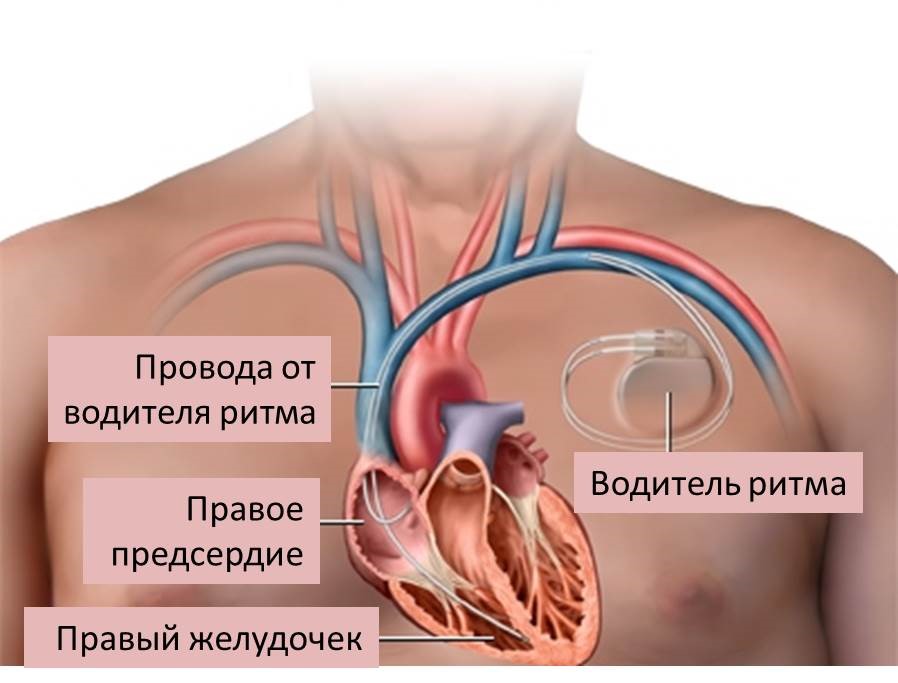
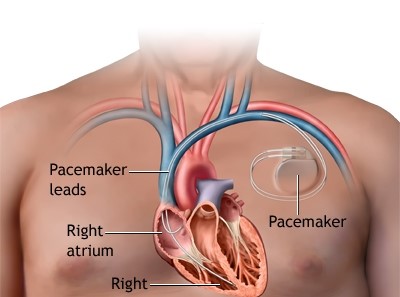
· Кардиостимулятор (водитель ритма) – это устройство, определяющее, когда Ваш пульс стал нерегулярным, слишком быстрым или слишком медленным. Он подает сигнал сердцу и способствует восстановлению нормального ритма.
When working well, the 4 chambers of the heart contract (squeeze) in an organized way.
Electrical signals direct your heart to pump the right amount of blood for your body's needs. The signals begin in an area called the sinoatrial node (also called the sinus node or SA node).
In atrial fibrillation, the electrical impulse of the heart is not regular. This is because the sinoatrial node no longer controls the heart rhythm.
· Parts of the heart cannot contract in an organized pattern.
· As a result, the heart cannot pump enough blood to meet the body's needs.
In atrial flutter, the ventricles (lower heart chambers) may beat very rapidly, but in a regular pattern.
These problems can affect both men and women. They become more common with increasing age.
The health care provider may hear a fast heartbeat while listening to your heart with a stethoscope. Your pulse may feel fast, uneven, or both.
The normal heart rate is 60 to 100 beats per minute. In atrial fibrillation or flutter, the heart rate may be 100 to 175 beats per minute. Blood pressure may be normal or low.
An ECG (a test that records the electrical activity of the heart) may show atrial fibrillation or atrial flutter.
If your abnormal heart rhythm comes and goes, you may need to wear a special monitor to diagnose the problem. The monitor records the heart's rhythms over a period of time.
Cardioversion treatment is used to get the heart back into a normal rhythm right away. There are two options for treatment:
· Electric shocks to your heart
· Drugs given through a vein
These treatments may be done as emergency methods, or planned ahead of time.
Daily medicines taken by mouth are used to:
· Slow the irregular heartbeat. These drugs may include beta-blockers, calcium channel blockers, and digoxin.
· Prevent atrial fibrillation from coming back. These drugs work well in many people, but they can have serious side effects. Atrial fibrillation returns in many people, even while they are taking these medicines.
Blood thinners are medicines that are used to reduce the risk of developing a blood clot that travels in the body (and that can cause a stroke, for example). They include heparin, warfarin (Coumadin), apixaban (Eliquis), rivaroxaban (Xarelto), and dabigatran (Pradaxa).
These drugs increase the chance of bleeding, so not everyone can use them. Antiplatelet drugs such as aspirin or clopidogrel may also be prescribed. Your provider will consider your age and other medical problems when deciding which drugs are best.
A procedure called radiofrequency ablation can be used to scar areas in your heart where the heart rhythm problems are triggered. This can prevent the abnormal electrical signals that cause atrial fibrillation or flutter from moving through the heart. You may need a heart pacemaker after this procedure. All people with atrial fibrillation will need to learn how to manage this condition at home.
An arrhythmia is a disorder of the heart rate (pulse) or heart rhythm. The heart can beat too fast (tachycardia), too slow (bradycardia), or irregularly.
Normally, your heart works as a pump that brings blood to the lungs and the rest of the body.
To help this happen, your heart has an electrical system that makes sure it contracts (squeezes) in an orderly way.
The electrical impulse that signals your heart to contract begins in the sinoatrial node (also called the sinus node or SA node). This is your heart's natural pacemaker.
The signal leaves the SA node and travels through the heart along a set electrical pathway.
Different nerve messages signal your heart to beat slower or faster.
Arrhythmias are caused by problems with the heart's electrical conduction system.
Abnormal (extra) signals may occur.
Electrical signals may be blocked or slowed.
Electrical signals travel in new or different pathways through the heart.
Some common causes of abnormal heartbeats are:
Abnormal levels of potassium or other substances in the body
HEART ATTACKor a damaged heart muscle from a past heart attack
Heart disease that is present at birth (congenital)
Heart failure or an enlarged heart
Overactive thyroid gland
Arrhythmias may also be caused by some substances or drugs, including:
Alcohol, caffeine, or stimulant drugs
Heart or blood pressure medicines
Cigarette smoking (nicotine)
Drugs that mimic the activity of your nervous system
Medicines used for depression or psychosis
Sometimes medicines used to treat one type of arrhythmia will cause another type of abnormal heart rhythm.
Some of the more common abnormal heart rhythms are:
When you have an arrhythmia, your heartbeat may be:
Too slow (bradycardia)
Too quick (tachycardia)
Irregular, uneven, or skipping beats
An arrhythmia may be present all of the time or it may come and go. You may or may not feel symptoms when the arrhythmia is present. Or, you may only notice symptoms when you are more active.
Symptoms can be very mild, or they may be severe or even life-threatening.
Common symptoms that may occur when the arrhythmia is present include:
When an arrhythmia is serious, you may need urgent treatment to restore a normal rhythm. This may include:
Electrical "shock" therapy (defibrillation or cardioversion)
Implanting a short-term heart pacemaker
Medicines given through a vein (intravenous) or by mouth
Sometimes, better treatment for your angina or heart failure will lower your chance of having an arrhythmia.
Medicines called anti-arrhythmic drugs may be used:
To prevent an arrhythmia from happening again
To keep your heart rate from becoming too fast or too slow
Some of these medicines can have side effects. Take them as prescribed by your health care provider. Do not stop taking the medicine or change the dose without first talking to your health care provider.
Other treatments to prevent or treat abnormal heart rhythms include:
Cardiac ablation, used to destroy areas in your heart that may be causing your heart rhythm problems
Pacemaker, a device that senses when your heart is beating irregularly, too slowly, or too fast. It sends a signal to your heart that makes your heart beat at the correct pace.
Фибрилляция предсердий – это наиболее распространенный тип персистентного, неровного сердцебиения. При фибрилляции предсердий верхние камеры сердца бьются неровно, влияя на приток крови к сердечной мышце и к остальным частям организма.
Фибрилляция предсердий повышает риск тромбообразования, что может вызвать преходящее ишемическое нарушение (ПИН), удар и другие нарушения.
Сердцебиение может восстановить нормальный ритм самостоятельно либо может потребоваться лечение или электрошок (кардиоверсия). Обычно, если сердце не может восстановить нормальный ритм, для предотвращения удара и прочих осложнений используются лекарства, которые называются разжижители крови.