Shingles (herpes zoster) is a painful, blistering skin rash. It is caused by the varicella-zoster virus. This is the virus that also causes chickenpox.
After you get chickenpox, the virus remains inactive (becomes dormant) in certain nerves in the body. Shingles occurs after the virus becomes active again in these nerves after many years. Many people had such a mild case of chickenpox that they do not realize they have had the infection.
The reason the virus suddenly becomes active again is not clear. Often only one attack occurs.
Shingles can develop in any age group. You are more likely to develop the condition if:
· You are older than age 60
· You had chickenpox before age 1
· Your immune system is weakened by medications or disease
If an adult or child has direct contact with the shingles rash and did not have chickenpox as a child or get the chickenpox vaccine, they can develop chickenpox, not shingles.
The first symptom is usually pain, tingling, or burning that occurs on one side of the body. The pain and burning may be severe and are usually present before any rash appears.
Red patches on the skin, followed by small blisters, form in most people:
· The blisters break, forming small sores that begin to dry and form crusts. The crusts fall off in 2 to 3 weeks. Scarring is rare.
· The rash usually involves a narrow area from the spine around to the front of the abdomen or chest.
· The rash may involve the face, eyes, mouth, and ears.
Other symptoms may include:
· Fever and chills
· General ill feeling
· Headache
· Joint pain
· Swollen glands (lymph nodes)
You may also have pain, muscle weakness, and a rash involving different parts of your face if shingles affects a nerve in your face. The symptoms may include:
· Difficulty moving some of the muscles in the face
Your health care provider can make the diagnosis by looking at your skin and asking about your medical history.
Tests are rarely needed, but may include taking a skin sample to see if the skin is infected with the virus.
Blood tests may show an increase in white blood cells and antibodies to the chickenpox virus. But the tests cannot confirm that the rash is due to shingles.
Your health care provider may prescribe a medicine that fights the virus, called an antiviral drug. This drug helps reduce pain, prevent complications, and shorten the course of the disease.
The medicines should be started within 72 hours of when you first feel pain or burning. It is best to start taking them before the blisters appear. The medicines are usually given in pill form. Some people may need to receive the medicine through a vein (by IV).
Strong anti-inflammatory medicines called corticosteroids, such as prednisone, may be used to reduce swelling and pain. These medicines do not work in all patients.
Other medicines may include:
· Antihistamines to reduce itching (taken by mouth or applied to the skin)
· Pain medicines
· Zostrix, a cream containing capsaicin (an extract of pepper) to reduce pain
Follow your health care provider's instructions about how to care for yourself at home.
Other measures may include:
· Caring for your skin by applying cool, wet compresses to reduce pain, and taking soothing baths
· Resting in bed until the fever goes down
Stay away from people while your sores are oozing to avoid infecting those who have never had chickenpox -- especially pregnant women.
Herpes zoster usually clears in 2 to 3 weeks and rarely returns. If the virus affects the nerves that control movement (the motor nerves), you may have temporary or permanent weakness or paralysis.
Sometimes the pain in the area where the shingles occurred may last from months to years. This pain is called postherpetic neuralgia.
It occurs when the nerves have been damaged after an outbreak of shingles. Pain ranges from mild to very severe. Postherpetic neuralgia is more likely to occur in persons over age 60.
Call your health care provider if you have symptoms of shingles, particularly if you have a weakened immune system or if your symptoms persist or worsen. Shingles that affects the eye may lead to permanent blindness if you do not receive emergency medical care.
Do not touch the rash and blisters on persons with shingles or chickenpox if you have never had chickenpox or the chickenpox vaccine.
A herpes zoster vaccine is available. It is different than the chickenpox vaccine. Older adults who receive the herpes zoster vaccine are less likely to have complications from shingles.
Costochondritis is an inflammation of a rib or the cartilage connecting a rib. It is a common cause of chest pain.
Exams and Tests
Your health care provider can diagnose costochondritis by pressing on the area where the ribs meet the chest bone (sternum). If this area is tender and sore, costochondritis is the most likely cause of your chest pain. However, your doctor should make this diagnosis only after speaking with you and examining you.
Treatment
Pain relievers, such as ibuprofen or acetiminophen, are used to treat costochondritis.
Outlook (Prognosis)
Costochondritis pain usually goes away in a few days or weeks.
Ваш лечащий врач может диагностировать костохондрит при надавливании на тот конец ребер, который сочленяется с грудиной. Если при давлении в этом месте Вы ощущаете напряжение и боль, то наиболее вероятной причиной возникновения боли в груди является костохондрит. Тем не менее, врач должен выставить этот диагноз только после проведения беседы и осмотра пациента.
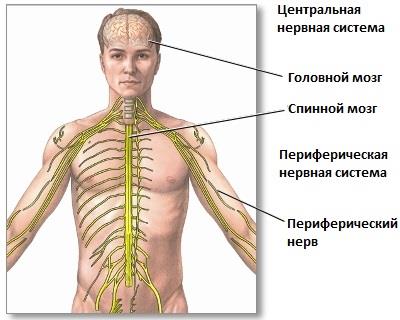
Невралгия тройничного нерва является заболеванием нервной системы, при котором в некоторых частях лица возникает интенсивная, стреляющая боль, подобная удару электрическим током.
Боль при тригеминальной невралгии исходит из тройничного нерва. Этот нерв передает чувства осязания и боли с лица, глаз, придаточных пазух носа и рта к головному мозгу.
Обычно заболевание возникает у взрослых, но также может встречаться в любом возрасте. Невралгия тройничного нерва может быть частью нормального процесса старения.
Невралгия тройничного нерва может быть обусловлена:
Состояние вашего самочувствия зависит от причины, вызвавшей заболевание. Если причина заболевания не найдена, лечение может приносить некоторое облегчение.
Тем не менее, у некоторых пациентов боль может прогрессировать и стать постоянной.
Опоясывающий лишай (опоясывающий герпес) – это вирусная инфекция, вызывающая боль, жжение, чувство покалывания, появляющееся спустя один или два дня после образования сыпи, которая располагается с одной стороны тела. Сыпь прогрессирует и переходит в волдыри, которые затем могут покрыться корками, до их исчезновения в течение следующих нескольких недель.
Опоясывающий лишай появляется вследствие вируса, который является причиной ветряной оспы (вирус ветряной оспы). Вирус остается в нервной ткани и может активизироваться в любом человеке, перенесшем ветряную оспу.
Опоясывающая оспа наиболее присуща для людей старшего возраста и людей с ослабленной иммунной системой, вследствие стресса, травмы и других факторов. Никому не известно, что заставляет вирус активизироваться вновь.
Человек, пораженный опоясывающим лишаем, может распространять вирус, до тех пор, пока волдыри не покроются коркой. Распространение опоясывающего лишая может вызвать ветряная оспа у тех, кто не болел ею ранее либо не был вакцинирован.
Лекарственные препараты могут ослабить дискомфорт от сыпи и боль. Некоторые люди продолжают чувствовать боль, которая появляется, после того как сыпь исчезает (постгерпесная невралгия).


.png)
.png)
.png)