Note: Serum is the part of blood that doesn't contain cells.
Sodium, potassium, and chloride levels can also be measured as part of a basic metabolic panel. A more complete test, called comprehensive metabolic panel, can test for these several more electrolytes.
The electrolytes - urine test measures electrolytes in urine. It test the levels of calcium, chloride, potassium, sodium, and other electrolytes.
Dehydration means your body does not have as much water and fluids as it should.
Dehydration can be mild, moderate, or severe based on how much of the body's fluid is lost or not replenished. When it is severe, dehydration is a life-threatening emergency.
Dehydration in sick children is often a combination of refusing to eat or drink anything and losing fluid from vomiting, diarrhea, or fever.
Infants and children are more likely to become dehydrated than adults because they weigh less and their bodies turn over water and electrolytes more quickly. The elderly and people with illnesses are also at higher risk.
You may also have vomiting, diarrhea, or the feeling that you "can't keep anything down." All of these can be causing the dehydration.
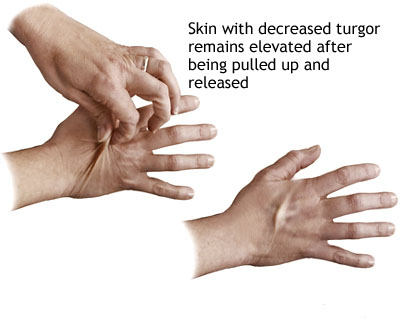
A decrease in skin turgor is indicated when the skin (on the back of the hand for an adult or on the abdomen for a child) is pulled up for a few seconds and does not return to its original state. A decrease in skin turgor is a late sign of dehydration.
Poor skin turgor -- the skin may not be as elastic as normal and sag back into position slowly when the health care provider pinches it up into a fold (normally, skin springs right back into place)
Drinking fluids is usually enough for mild dehydration. It is better to drink small amounts of fluid often (using a teaspoon or syringe for an infant or child), instead of trying to force large amounts of fluid at one time. Drinking too much fluid at once can bring on more vomiting.
Electrolyte solutions or freezer pops are very effective. These are available at pharmacies. Sports drinks contain a lot of sugar and can cause or worsen diarrhea. In infants and children, avoid using water as the primary replacement fluid.
Intravenous fluids and a hospital stay may be needed for moderate to severe dehydration. The health care provider will try to identify and then treat the cause of the dehydration.
Most cases of stomach viruses (also called viral gastroenteritis) tend to get better on their own after a few days. See also: Diarrhea
Even when you are healthy, drink plenty of fluids every day. Drink more when the weather is hot or you are exercising.
Carefully monitor someone who is ill, especially an infant, child, or older adult. If you believe that the person is getting dehydrated, call your health care provider before the person becomes dehydrated. Begin fluid replacement as soon as vomiting and diarrhea start -- DO NOT wait for signs of dehydration.
Always encourage a person who is sick to drink fluids. Remember that fluid needs are greater with a fever, vomiting, or diarrhea. The easiest signs to monitor are urine output (there should be frequent wet diapers or trips to the bathroom), saliva in the mouth, and tears when crying.
What is traveler's diarrhea?
People get traveler's diarrhea by eating food and drinking water that contain germs. People can get this illness in areas of the world where the drinking water is not clean.
People who live these areas often drink tap water that contains these germs, but they do not get diarrhea. This is because their bodies are used to the germs. In the same way, cooks and food handlers may have the germs that cause traveler's diarrhea on their hands, but they may not get sick themselves. When people travel to a new place, they are more likely to become sick, because they lack protective antibodies (infection-fighting agents in the blood) that attack these germs.
How can I tell if I have traveler's diarrhea?
You may have traveler's diarrhea if you have at least 3 loose stools in 24 hours. You may also have one or more of the following symptoms:
Even if you don't treat traveler's diarrhea, it will usually go away in 4 to 5 days. You should drink plenty of clear liquids to replace lost fluids due to the diarrhea. Taking medicine to treat traveler's diarrhea may make you feel better more quickly. It often is treated with antibiotics (medicines that kill bacteria). To get antibiotics, you need a prescription from your doctor.
You also can take a medicine called loperamide (brand name: Imodium). However, if you have bloody diarrhea, you should not take this medicine without also taking an antibiotic.
Children, pregnant women, older adults and other people who get dehydrated easily should drink rehydration solutions. Rehydration solutions help replace the fluid you lose while you are sick. You can buy packets of rehydration salts (to be mixed with safe water) at camping/outdoor stores or drug stores.
When should I contact my doctor?
If your child has a fever higher than 102°F, is dehydrated, has blood in the stool or vomits several times, he or she should see a doctor right away.
If treating your traveler's diarrhea isn't helping you to feel better, talk to your doctor.
How can I avoid traveler's diarrhea?
When you will be traveling to an area where the water may not be clean, see your doctor 4 to 6 weeks before your trip. Your doctor may want to give you some medicines, such as antibiotics or shots, to protect you from illness while you are away. During your trip, be careful about the following things:
Do not drink tap water and do not use it to brush your teeth.
Do not drink bottled water if the seal on the bottle has been broken.
Do not use ice unless you're sure it's made from purified water.
Do not drink milk or eat dairy products that have not been pasteurized (heated to a temperature that kills all germs).
Do not eat raw fruits or vegetables unless they can be peeled and you are the one who peels them.
Do not eat cut-up fruit salad.
Do not eat lettuce or other leafy raw vegetables (such as spinach).
Do not eat raw or rare (slightly cooked) meat or fish.
Do not eat food from people who sell it on the street.
Boiling water will kill the germs that cause diarrhea, making the water safe to drink. Boil water vigorously for 1 minute and allow it to cool to room temperature (do not add ice). When traveling in high altitudes (6,562 feet or higher), boil water for 3 minutes.
What is safe to eat or drink?
When you are in a place where you could get traveler's diarrhea, it is probably safe to eat or drink the following:
Soft drinks that are carbonated (such as cola).
Hot drinks, such as tea or coffee.
Carbonated or noncarbonated bottled water, as long as you are the one who breaks the seal on the bottle.
Raw fruits or vegetables that can be peeled, as long as you are the one who peels them.
Food that is served hot.
Meat that is well cooked.
Questions to Ask Your Doctor
Is there medicine I can take to prevent traveler’s diarrhea?
Is traveler’s diarrhea common in the country I’m traveling to?
If I get traveler’s diarrhea, who should I contact and when?
Bacterial gastroenteritis can affect one person or a group of people who all ate the same food. It more commonly occurs after eating at picnics, school cafeterias, large social functions, or restaurants.
The germs may get into your food (called contamination) in different ways:
Meat or poultry may come into contact with bacteria from the intestines of an animal being processed
Water that is used during growing or shipping may contain animal or human waste
Improper food handling or preparation in grocery stores, restaurants, or homes
Food poisoning often occurs from eating or drinking:
Any food prepared by someone who did not wash their hands properly
Any food prepared using unclean cooking utensils, cutting boards, or other tools
Dairy products or food containing mayonnaise (such as coleslaw or potato salad) that have been out of the refrigerator too long
Frozen or refrigerated foods that are not stored at the proper temperature or are not reheated properly
Raw fruits or vegetables that have not been washed well
Raw vegetable or fruit juices and dairy products (look for the word "pasteurized" to make sure the food is safe to eat or drink)
Undercooked meats or eggs
Water from a well or stream, or city or town water that has not been treated
Many different types of bacteria can cause bacterial gastroenteritis, including:
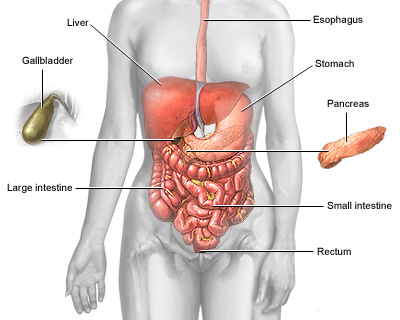
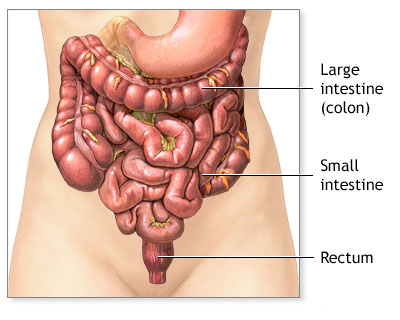
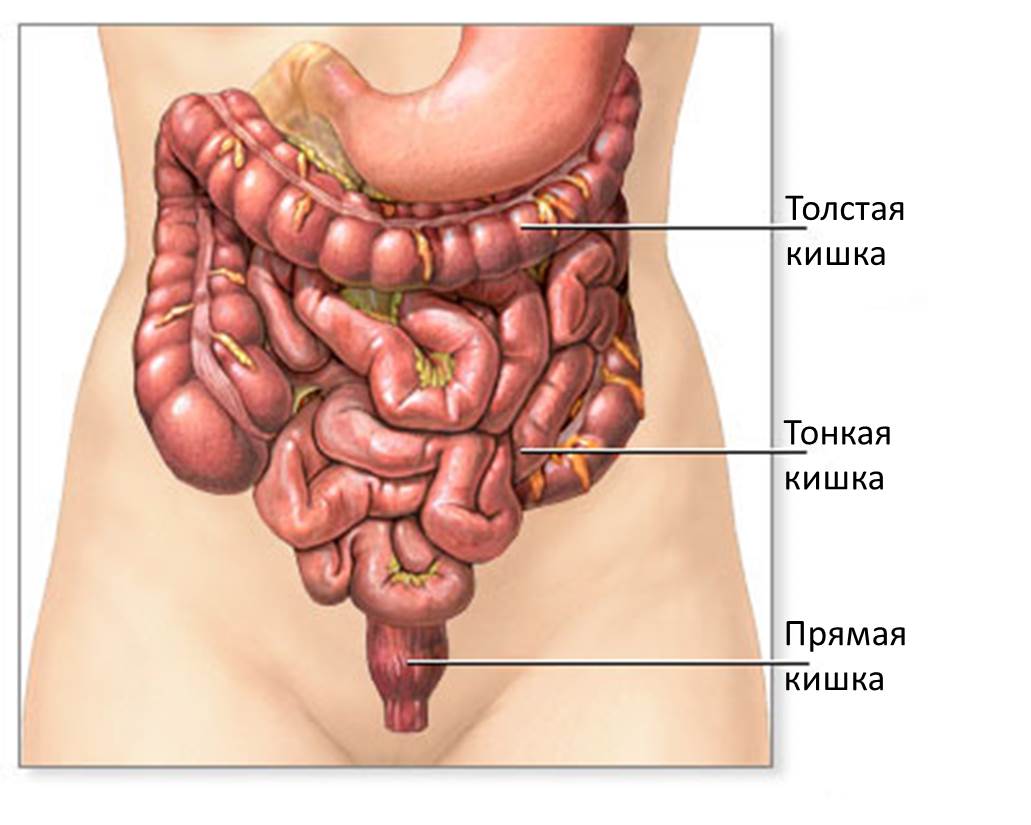
Figure: Your small intestine is the longest part of your digestive system - about twenty feet long! It connects your stomach to your large intestine (or colon) and folds many times to fit inside your abdomen. Your small intestine does most of the digesting of the foods you eat. It has three areas called the duodenum, the ileum, and the jejunum.
Your health care provider will examine you for signs of food poisoning, such as pain in the stomach and signs your body does not have as much water and fluids as it should. This is called dehydration.
Laboratory tests may be done on the food or a stool sample to determine what germ is causing your symptoms. However, these tests do not always show the cause of the diarrhea.
Tests may also be done to look for white blood cells in the stool, a sign of infection.
You will usually recover from the most common types of bacterial gastroenteritis in a couple of days. The goal is to make you feel better and avoid dehydration.
Drinking enough fluids and learning what to eat will help keep you or your child comfortable. You may need to:
If you have diarrhea and are unable to drink or keep down fluids because of nausea or vomiting, you may need fluids through a vein (IV). This is especially true for young children.
If you take diuretics ("water pills"), talk to your health care provider. You may need to stop taking the diuretic while you have diarrhea. Never stop or change medications without first talking to your health care provider.
Antibiotics are usually not prescribed for most common types of bacterial gastroenteritis, unless the diarrhea is very severe.
You can buy medicines at the drugstore that can help stop or slow diarrhea.
Do not use these medicines without talking to your health care provider if you have bloody diarrhea, a fever, or the diarrhea is severe.
Bacterial gastroenteritis can affect one person or a group of people who all ate the same food. It more commonly occurs after eating at picnics, school cafeterias, large social functions, or restaurants.
The germs may get into your food (called contamination) in different ways:
Meat or poultry may come into contact with bacteria from the intestines of an animal being processed
Water that is used during growing or shipping may contain animal or human waste
Improper food handling or preparation in grocery stores, restaurants, or homes
Food poisoning often occurs from eating or drinking:
Any food prepared by someone who did not wash their hands properly
Any food prepared using unclean cooking utensils, cutting boards, or other tools
Dairy products or food containing mayonnaise (such as coleslaw or potato salad) that have been out of the refrigerator too long
Frozen or refrigerated foods that are not stored at the proper temperature or are not reheated properly
Raw fruits or vegetables that have not been washed well
Raw vegetable or fruit juices and dairy products (look for the word "pasteurized" to make sure the food is safe to eat or drink)
Undercooked meats or eggs
Water from a well or stream, or city or town water that has not been treated
Many different types of bacteria can cause bacterial gastroenteritis, including:
Figure: Your small intestine is the longest part of your digestive system - about twenty feet long! It connects your stomach to your large intestine (or colon) and folds many times to fit inside your abdomen. Your small intestine does most of the digesting of the foods you eat. It has three areas called the duodenum, the ileum, and the jejunum.
Your health care provider will examine you for signs of food poisoning, such as pain in the stomach and signs your body does not have as much water and fluids as it should. This is called dehydration.
Laboratory tests may be done on the food or a stool sample to determine what germ is causing your symptoms. However, these tests do not always show the cause of the diarrhea.
Tests may also be done to look for white blood cells in the stool, a sign of infection.
You will usually recover from the most common types of bacterial gastroenteritis in a couple of days. The goal is to make you feel better and avoid dehydration.
Drinking enough fluids and learning what to eat will help keep you or your child comfortable. You may need to:
If you have diarrhea and are unable to drink or keep down fluids because of nausea or vomiting, you may need fluids through a vein (IV). This is especially true for young children.
If you take diuretics ("water pills"), talk to your health care provider. You may need to stop taking the diuretic while you have diarrhea. Never stop or change medications without first talking to your health care provider.
Antibiotics are usually not prescribed for most common types of bacterial gastroenteritis, unless the diarrhea is very severe.
You can buy medicines at the drugstore that can help stop or slow diarrhea.
Do not use these medicines without talking to your health care provider if you have bloody diarrhea, a fever, or the diarrhea is severe.
Рвота и диарея (понос) могут быть опасны, потому что они могут привести к обезвоживанию организма. Обезвоживание развивается при потере организмом большого количества жидкости. У маленьких детей обезвоживание развивается быстро, но оно может возникнуть в любом возрасте.
Рвота и понос могут быть симптомом вирусных, бактериальных, паразитарных заболеваний, быть следствием приема некоторых лекарственных препаратов и некоторых заболеваний. Нарушение переваривания некоторых продуктов (например, большого количества сладостей) и недоваренного мяса или рыбы также может вызвать рвоту и диарею.
Любому человеку с приступами рвоты или диареи необходимо возместить потерянную жидкость и электролиты.
· Для грудных детей: Если вы кормите грудью, продолжайте давать ребенку грудное молоко. В грудном молоке содержится жидкость и электролиты, необходимые для предотвращения обезвоживания. Также врач может назначить ребенку прием растворов для пероральной регидратации (ДАТЬ ССЫЛКУ). Если вы кормите ребенка молочной смесью, попробуйте на время перейти на смесь, не содержащую лактозу. Лактоза может ухудшить диарею. Врач может посоветовать на 12-24 часа переключиться с молочных смесей на прием пероральных растворов для регидратации.
· Для маленьких детей: Используйте растворы для пероральной регидратации (ДАТЬ ССЫЛКУ), содержащие соль, сахар, калий и другие питательные вещества для возмещения потерянной жидкости. Детям старше 1 года для предотвращения обезвоживания также можно давать супы, сок, наполовину смешанный с водой. Не стоит давать ребенку воду и напитки. В воде не содержится необходимого количества соли и питательных веществ для борьбы с обезвоживанием. В напитках, как правило, содержится много сахара, который может раздражать желудок вашего ребенка.
Обычно нет. Как правило, рвота и понос проходят быстро. При инфекциях рвота и диарея являются защитной реакцией организма, направленной на выведение инфекционного агента из организма. Прием лекарств, останавливающих рвоту и понос, может препятствовать самовосстановлению организма. В антибиотиках, как правило, также нет необходимости. Обратитесь к врачу, если вы считаете, что вам или вашему ребенку необходимы лекарственные препараты.
Очень сложно сказать, развилось ли у ребенка обезвоживание. Как правило, ко времени появления симптомов обезвоживания, оно уже успевает перейти в тяжелую степень. Обратитесь к врачу, если вы заметили любой из нижеследующих симптомов обезвоживания, особенно у младенцев и детей раннего возраста. В случае тяжелого обезвоживания для возмещения потерянной при рвоте и диареи жидкости пациенту может потребоваться внутривенное вливание жидкостей.
Рвота и диарея (понос) могут быть опасны, потому что они могут привести к обезвоживанию организма. Обезвоживание развивается при потере организмом большого количества жидкости. У пожилых людей обезвоживание развивается быстро, но оно может возникнуть в любом возрасте.
Рвота и понос могут быть симптомом вирусных, бактериальных, паразитарных заболеваний, быть следствием приема некоторых лекарственных препаратов и некоторых заболеваний. Нарушение переваривания некоторых продуктов и недоваренного мяса или рыбы также может вызвать рвоту и диарею.
Любому человеку с приступами рвоты или диареи необходимо возместить потерянную жидкость и электролиты.
Для возмещения потерянной при рвоте и диарее жидкости взрослые и пожилые люди должны выпивать, по крайней мере, по 7-8 стаканов воды каждый день. Пожилым людям для восполнения потерянной жидкости могут быть назначены растворы для пероральной регидратации.
Обычно нет. Как правило, рвота и понос проходят быстро. При инфекциях рвота и диарея являются защитной реакцией организма, направленной на выведение инфекционного агента из организма. Прием лекарств, останавливающих рвоту и понос, может препятствовать самовосстановлению организма. В антибиотиках, как правило, также нет необходимости. Обратитесь к врачу, если вы считаете, что необходимы лекарственные препараты.
Очень сложно сказать, имеется ли у человека обезвоживание. Как правило, ко времени появления симптомов обезвоживания, оно уже успевает перейти в тяжелую степень. Обратитесь к врачу, если вы заметили любой из нижеследующих симптомов обезвоживания, особенно у пожилых людей. В случае тяжелого обезвоживания для возмещения потерянной при рвоте и диареи жидкости пациенту может потребоваться внутривенное вливание жидкостей.
Бактериальный гастроэнтерит может поразить одного человека или группу людей, которые употребляли в пищу одни и те же блюда. Это чаще происходит на пикниках, в школьных столовых, в кафе и ресторанах.
Микробы могут попасть в пищу (обсеменение) разными путями:
Бактерии могут попасть на мясо из кишечника животного или птицы при разделывании туши
Вода, используемая для полива или мытья, может содержать отходы жизнедеятельности животных или человека
Неправильное хранение продуктов в магазинах, ресторанах и в домашних условиях
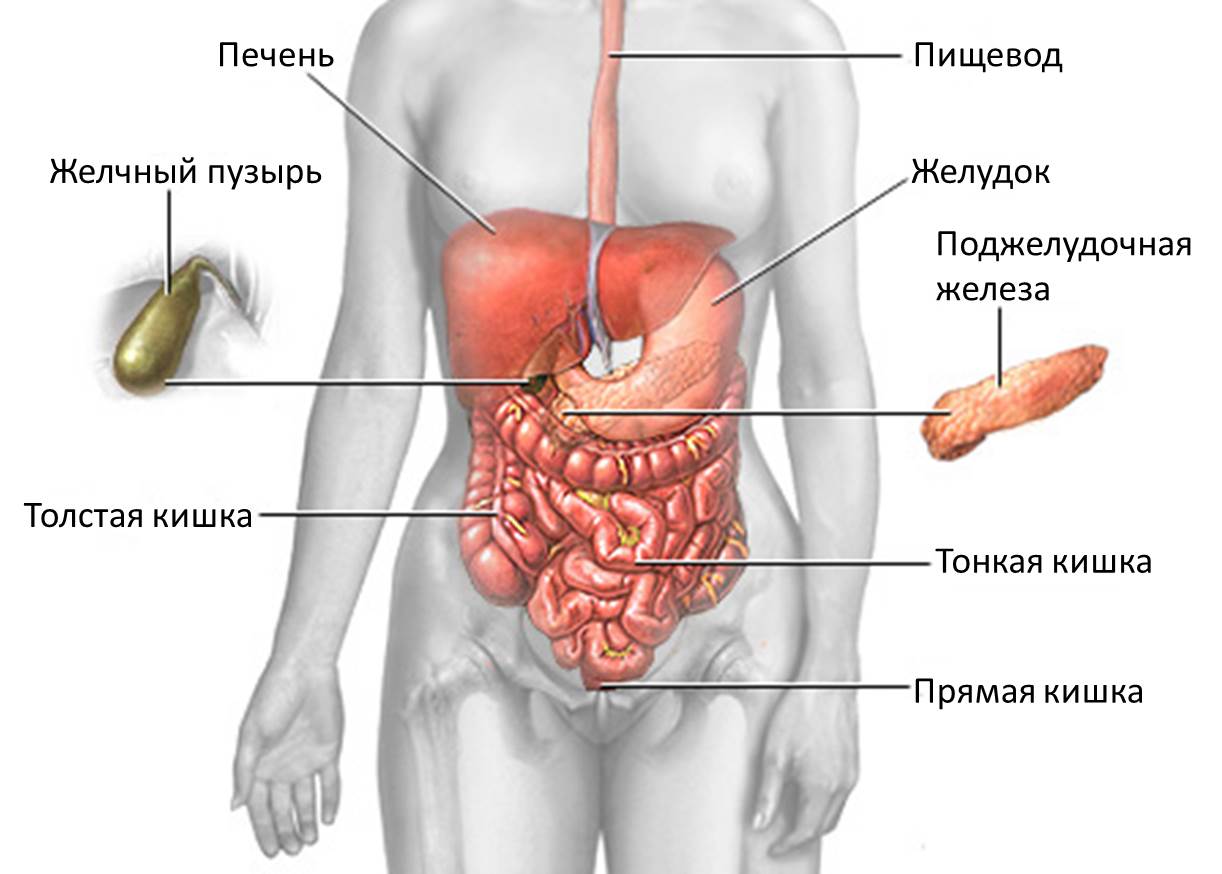
Тонкая кишка является самой длинной частью пищеварительной системы - ее длина составляет около 6 метров! Она соединяет желудок с толстой кишкой, и имеет множество складок (для того, чтобы поместиться в брюшной полости). Большая часть потребляемой пищи, переваривается в тонкой кишке. Она состоит из трех частей: двенадцатиперстной, подвздошной и тощей кишки.
Для определения возбудителя заболевания, проводят анализ образца пищи или кала. Тем не менее, данные исследования не всегда позволяют выявить точную причину поноса.
Также проводят исследование кала на наличие лейкоцитов.
Как правило, улучшение состояния наступает через несколько дней после начала заболевания. Целью лечения является улучшение состояния пациента и борьба с обезвоживанием организма.
Употребление достаточного количества жидкости и правильное питание могут улучшить ваше состояние или состояние вашего ребенка. Вам необходимо:
Если у вас понос или вы не в состоянии удержать жидкость в организме из-за постоянной тошноты и рвоты, вам, возможно, будет необходимо внутривенное вливание жидкости. Чаще всего это применяется при лечении маленьких детей.
Проконсультируйтесь с врачом, если Вы принимаете диуретики (мочегонные препараты). При наличии поноса, возможно, вам будет необходимым прекратить прием мочегонных препаратов. Никогда не изменяйте и не прекращайте лечение без консультации вашего лечащего врача.
Тонкая кишка является самой длинной частью пищеварительной системы - ее длина составляет около 6 метров! Она соединяет желудок с толстой кишкой, и имеет множество складок (для того, чтобы поместиться в брюшной полости). Большая часть потребляемой пищи, переваривается в тонкой кишке. Она состоит из трех частей: двенадцатиперстной, подвздошной и тощей кишки.
Кишечный иерсиниоз и псевдотуберкулез являются инфекционными заболеваниями. Yersinia enterocolitica является возбудителем энтероколита - заболевания, характеризующегося воспалениемтонкой и толстой кишки, которое часто встречается в детском возрасте.
Рисунок: Тонкая кишка является самой длинной частью пищеварительной системы - ее длина составляет около 6 метров! Она соединяет желудок с толстой кишкой, и имеет множество складок (для того, чтобы поместиться в брюшной полости). Большая часть потребляемой пищи, переваривается в тонкой кишке. Она состоит из трех частей: двенадцатиперстной, подвздошной и тощей кишки.
Заражение происходит при употреблении в пищу сырой или не прошедшей достаточной термической обработки свинины и непастеризованного молока. Также заражение происходит при контакте с больными животными, употреблении загрязненной колодезной воды или в редких случаях - при переливании инфицированной крови. Заболеванию больше подвержены дети с ослабленной иммунной системой. Инкубационный период составляет приблизительно 4 - 6 дней.
Наряду с данными наиболее распространенными симптомами, у детей младшего возраста с повышенным содержанием железа в организме (при переливании крови) или с ослабленной иммунной системой и наличием других заболеваний, возможно развитие бактериемии (распространение бактерий по кровеносному руслу). У подростков возможно появление симптомов, схожих с симптомами аппендицита (синдром псевдоаппендицита) с болью и напряженностью в правой подвздошной области. В редких случаях данное заболевание проявляется болью в горле, воспалением глаз, менингитом и пневмонией. После перенесенной инфекции у подростков может появиться боль в суставах и красная сыпь на голенях (узловая эритема).
У детей с псевдотуберкулезом могут появиться такие симптомы, как повышение температуры, сыпь, боль в животе, в том числе, синдром псевдоаппендицита. У некоторых детей может появиться понос, сыпь и отеки конечностей.
Обратитесь за медицинской помощью при наличии кровь в стуле вашего ребенка. Обратите внимание на симптомы обезвоживания, вызываемые поносом, такие как сухость во рту, жажда и уменьшение частоты мочеиспускания.
Врач может назначить анализы для выявления Yersinia в стуле ребенка. Также возбудителя можно выявить при взятии мазка со слизистой глотки, анализе мочи и проведении анализа крови на антитела к бактериям.
Поскольку иерсиниоз является относительно редкой инфекцией, малое число лабораторий проводят выделение Yersinia из фекалий.
В большинстве случае заболевание проходит самостоятельно. В некоторых случаях иерсиниоз лечится антибиотиками. Как и при всех заболеваниях, протекающих с поносом, пациентам назначается обильное питье для профилактики и лечения обезвоживания.
Убедитесь в том, что ваш ребенок не употребляет сырую или недоваренную свинину, непастеризованное молоко и загрязненную воду. Тщательно мойте руки с мылом под проточной водой после обработки свиной требухи.
Вакцины для профилактики иерсиниоза не существует.
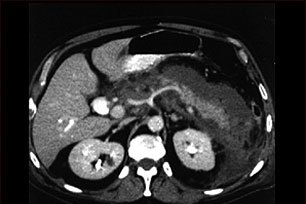
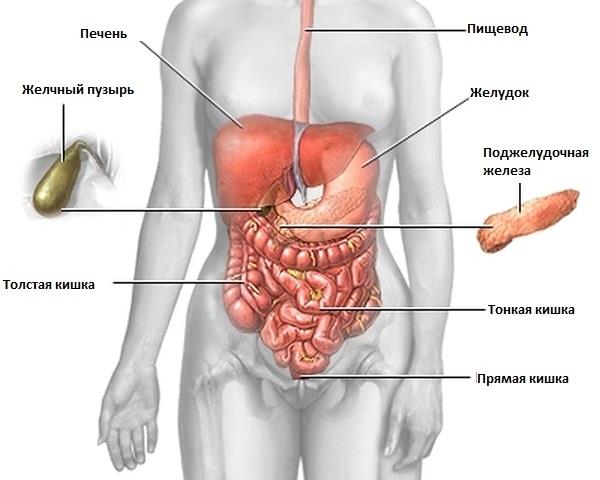
Поджелудочная железа располагается позади желудка и вырабатывает пищеварительные (энзимы) и гормональные ферменты, такие как инсулин и глюкагон. Активные энзимы (пищеварительные ферменты) поступают в просвет тонкой кишки и являются важным звеном в процессе переваривания пищи.
Острый панкреатит чаще возникает у мужчин, чем у женщин. Отдельные заболевания, оперативные вмешательства, пагубные привычки и неправильное питание увеличивают риск развития данного заболевания.
Заболевание чаще всего вызвано алкоголизмом и злоупотреблением алкоголем (в США -70% случаев). Также на развитие заболевания оказывает влияние генетический фактор. В других случаях причина остается неизвестной.
Ограничение употребления пищи для уменьшения нагрузки на поджелудочную железу
Иногда через нос или рот устанавливается назогастральный зонд (трубка), через который удаляется желудочное содержимое. Данный метод применяется в случае, если рвота или сильная боль ничем не купируется, или возможно развитие пареза кишечника (паралич кишечника). Зонд устанавливается на протяжении от 1 - 2 дней до 1 - 2 недель.