Bacterial gastroenteritis can affect one person or a group of people who all ate the same food. It more commonly occurs after eating at picnics, school cafeterias, large social functions, or restaurants.
The germs may get into your food (called contamination) in different ways:
Meat or poultry may come into contact with bacteria from the intestines of an animal being processed
Water that is used during growing or shipping may contain animal or human waste
Improper food handling or preparation in grocery stores, restaurants, or homes
Food poisoning often occurs from eating or drinking:
Any food prepared by someone who did not wash their hands properly
Any food prepared using unclean cooking utensils, cutting boards, or other tools
Dairy products or food containing mayonnaise (such as coleslaw or potato salad) that have been out of the refrigerator too long
Frozen or refrigerated foods that are not stored at the proper temperature or are not reheated properly
Raw fruits or vegetables that have not been washed well
Raw vegetable or fruit juices and dairy products (look for the word "pasteurized" to make sure the food is safe to eat or drink)
Undercooked meats or eggs
Water from a well or stream, or city or town water that has not been treated
Many different types of bacteria can cause bacterial gastroenteritis, including:
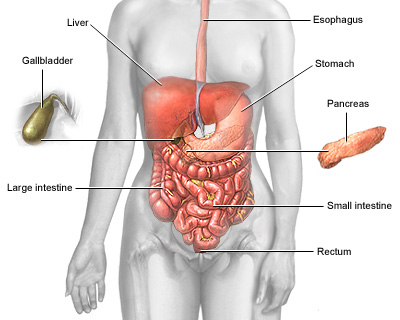
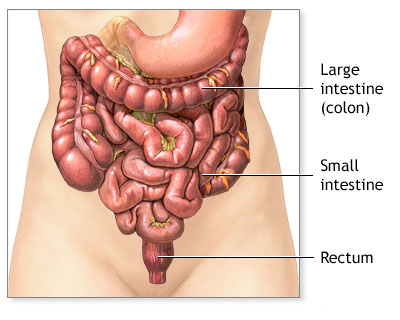
Figure: Your small intestine is the longest part of your digestive system - about twenty feet long! It connects your stomach to your large intestine (or colon) and folds many times to fit inside your abdomen. Your small intestine does most of the digesting of the foods you eat. It has three areas called the duodenum, the ileum, and the jejunum.
Your health care provider will examine you for signs of food poisoning, such as pain in the stomach and signs your body does not have as much water and fluids as it should. This is called dehydration.
Laboratory tests may be done on the food or a stool sample to determine what germ is causing your symptoms. However, these tests do not always show the cause of the diarrhea.
Tests may also be done to look for white blood cells in the stool, a sign of infection.
You will usually recover from the most common types of bacterial gastroenteritis in a couple of days. The goal is to make you feel better and avoid dehydration.
Drinking enough fluids and learning what to eat will help keep you or your child comfortable. You may need to:
If you have diarrhea and are unable to drink or keep down fluids because of nausea or vomiting, you may need fluids through a vein (IV). This is especially true for young children.
If you take diuretics ("water pills"), talk to your health care provider. You may need to stop taking the diuretic while you have diarrhea. Never stop or change medications without first talking to your health care provider.
Antibiotics are usually not prescribed for most common types of bacterial gastroenteritis, unless the diarrhea is very severe.
You can buy medicines at the drugstore that can help stop or slow diarrhea.
Do not use these medicines without talking to your health care provider if you have bloody diarrhea, a fever, or the diarrhea is severe.
Бактериальный гастроэнтерит может поразить одного человека или группу людей, которые употребляли в пищу одни и те же блюда. Это чаще происходит на пикниках, в школьных столовых, в кафе и ресторанах.
Микробы могут попасть в пищу (обсеменение) разными путями:
Бактерии могут попасть на мясо из кишечника животного или птицы при разделывании туши
Вода, используемая для полива или мытья, может содержать отходы жизнедеятельности животных или человека
Неправильное хранение продуктов в магазинах, ресторанах и в домашних условиях
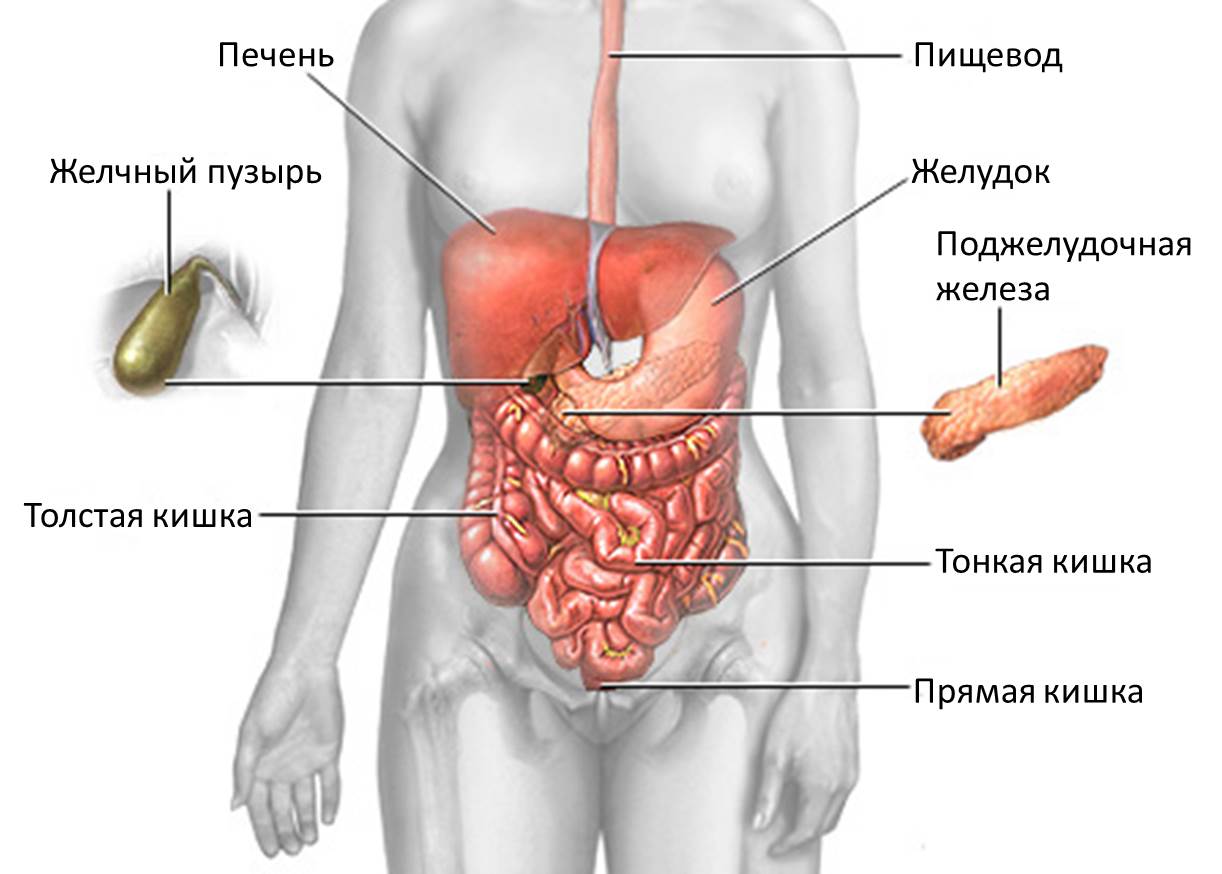
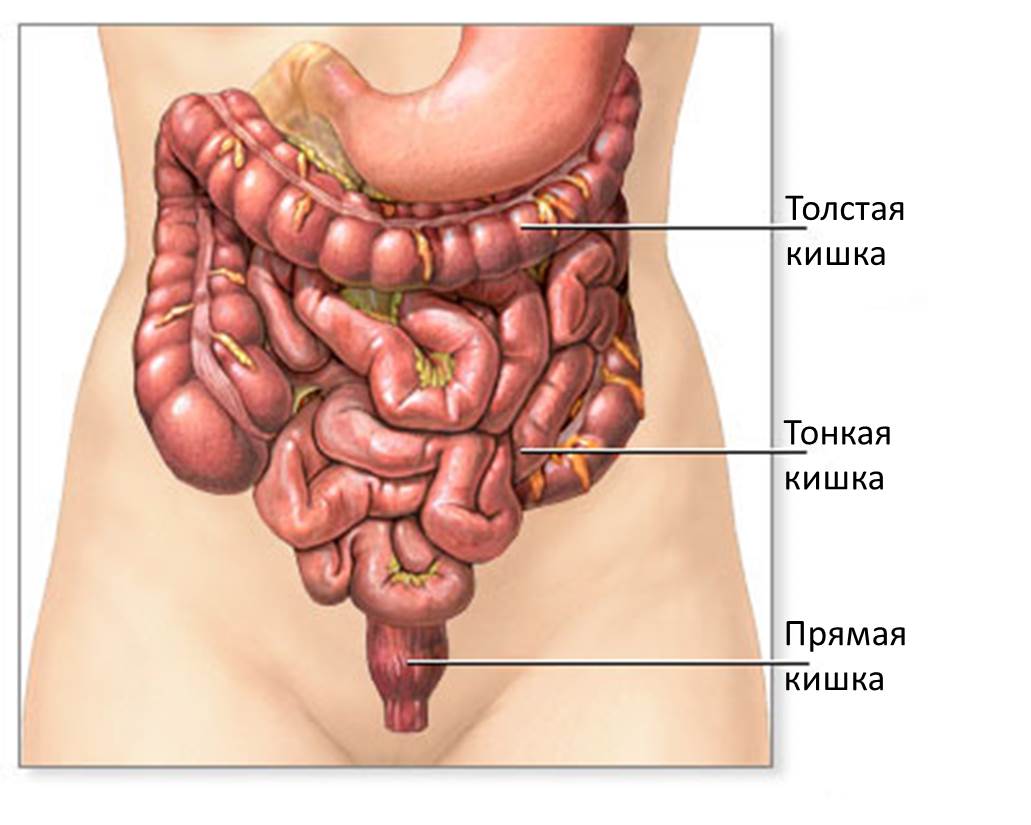
Тонкая кишка является самой длинной частью пищеварительной системы - ее длина составляет около 6 метров! Она соединяет желудок с толстой кишкой, и имеет множество складок (для того, чтобы поместиться в брюшной полости). Большая часть потребляемой пищи, переваривается в тонкой кишке. Она состоит из трех частей: двенадцатиперстной, подвздошной и тощей кишки.
Для определения возбудителя заболевания, проводят анализ образца пищи или кала. Тем не менее, данные исследования не всегда позволяют выявить точную причину поноса.
Также проводят исследование кала на наличие лейкоцитов.
Как правило, улучшение состояния наступает через несколько дней после начала заболевания. Целью лечения является улучшение состояния пациента и борьба с обезвоживанием организма.
Употребление достаточного количества жидкости и правильное питание могут улучшить ваше состояние или состояние вашего ребенка. Вам необходимо:
Если у вас понос или вы не в состоянии удержать жидкость в организме из-за постоянной тошноты и рвоты, вам, возможно, будет необходимо внутривенное вливание жидкости. Чаще всего это применяется при лечении маленьких детей.
Проконсультируйтесь с врачом, если Вы принимаете диуретики (мочегонные препараты). При наличии поноса, возможно, вам будет необходимым прекратить прием мочегонных препаратов. Никогда не изменяйте и не прекращайте лечение без консультации вашего лечащего врача.
Тонкая кишка является самой длинной частью пищеварительной системы - ее длина составляет около 6 метров! Она соединяет желудок с толстой кишкой, и имеет множество складок (для того, чтобы поместиться в брюшной полости). Большая часть потребляемой пищи, переваривается в тонкой кишке. Она состоит из трех частей: двенадцатиперстной, подвздошной и тощей кишки.