Septic arthritis is inflammation of a joint due to a bacterial or fungal infection. Septic arthritis that is due to the bacteria that causegonorrhea has different symptoms and is also called gonococcal arthritis.
Causes
Septic arthritis develops when bacteria or other tiny disease-causing organisms (microorganisms) spread through the blood to a joint. It may also occur when the joint is directly infected with a microorganism from an injury or during surgery. Joints that are commonly affected are the knee and hip.
Most cases of acute septic arthritis are caused by bacteria such asStaphylococcus or Streptococcus.
Chronic septic arthritis (which is less common) is caused by organisms such as Mycobacterium tuberculosis and Candida albicans.
The following conditions increase your risk for septic arthritis:
Septic arthritis may be seen at any age. In children, it occurs most often in those younger than 3 years. The hip is often the site of infection in infants.
Septic arthritis is uncommon from age 3 to adolescence. Children with septic arthritis are more likely than adults to be infected with Group B streptococcus or Haemophilusinfluenza, if they have not been vaccinated.
Symptoms
Symptoms usually come on quickly. There is a fever, and joint swelling that is usually in just one joint. There is also intense joint pain, which gets worse with movement.
Symptoms in newborns or infants:
Cries when infected joint is moved (example: diaper change causes crying if hip joint is infected)
Fever
Inability to move the limb with the infected joint (pseudoparalysis)
Irritability
Symptoms in children and adults:
Inability to move the limb with the infected joint (pseudoparalysis)
Resting, keeping the joint still, raising the joint, and using cool compresses may help relieve pain. Exercising the affected joint helps the recovery process.
If joint (synovial) fluid builds up quickly due to the infection, a needle may be inserted into the joint often to aspirate the fluid. Severe cases may need surgery to drain the infected joint fluid.
Outlook (Prognosis)
Recovery is good with prompt antibiotic treatment. If treatment is delayed, permanent joint damage may result.
Possible Complications
Joint degeneration (arthritis)
When to Contact a Medical Professional
Call for an appointment with your health care provider if you develop symptoms of septic arthritis.
Prevention
Preventive (prophylactic) antibiotics may be helpful for people at high risk.
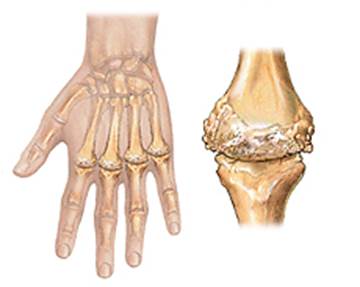
Rheumatoid arthritis (RA) is an autoimmune disease that causes inflammation and pain in your joints. It can also affect other parts of your body, such as the lining of your heart and lungs.
The hands, wrists, feet and knees are usually the first joints affected. RA usually affects several joints at the same time, on both sides of your body. For example, both of your wrists may be painful and stiff. Over time, it may also affect larger joints, such as your jaw, shoulders and hips.
Your doctor will ask you about your symptoms and may give you a physical exam. He or she may also order blood tests, a joint fluid analysis (which tests the fluid in your joints for other possible causes of your pain) and X-rays to help make a diagnosis.
Medicines you can buy without a prescription that reduce inflammation, such as aspirin, ibuprofen, or relieve pain, such as acetaminophen, can help you feel better. Your doctor can also prescribe medicine for you, such as prescription pain relievers or prescription nonsteroidal anti-inflammatory drugs (NSAIDs). These medicines reduce pain and swelling, but they do not slow the damage to your joints. These medicines should be used wisely. You only need the amount that makes you feel well enough to keep moving. Using too much medicine may increase the risk of side effects.
Medicines that manage your immune system (called immunosuppressants) can also be used to fight RA. When you have RA, your immune system is out of control. These drugs bring it back to normal. However, these medicines can lower your immune system's response to infections.
If you have only a few sore joints, your doctor may prescribe steroids (such as prednisone). Steroids reduce pain and swelling and slow the damage to your joints, but they can only be used for a little while. The longer steroids are used (many months or years), the less effective they become. They can also cause side effects, such as easy bruising, bone thinning, cataracts and diabetes.
Antirheumatic (say: "anti-roo-mat-ick") medicines can help fight RA. If these medicines are started early enough, they can slow the damage to your joints. These medicines work slowly, and it can take a few weeks to start feeling better. Your doctor may do a blood test to make sure these medicines are safe for you. Some of these medicines should not be taken if you are pregnant. Your doctor may talk to you about birth control before you use any antirheumatic medicines.
Surgery may be an option for cases of RA that are not effectively treated with medicine. Surgery can help you regain joint movement, ease pain and correct deformities caused by RA. Ask your doctor about the benefits and risks of surgery.
Talk to your doctor about all the treatment options for RA.
RA is a lifelong disease. Sometimes, if it's treated, it will go away for a little while, but it usually comes back. It is important to see your doctor as soon as you begin to experience symptoms.
Regular, gentle exercise can strengthen the muscles around your joints and relieve fatigue. Mild water aerobics or walking are good exercises to start with. Stop if you feel pain in a new joint while exercising. If the pain does not get better, you should call your doctor.
Losing weight if you are overweight and eating a healthy diet can also help RA.
In order to lessen the stress on affected joints, you can use devices to help you do everyday activities. Grabbing tools can help you pick items up. Canes can make walking easier. Ask your doctor about the tools that are available to make your daily life easier.
To ease pain, you can also apply heat or cold to your painful joints. Heat relaxes tense muscle and cold can numb pain. An easy way to apply heat is to take a 15-minute hot shower or bath. Cold packs or soaking joints in cold water are effective ways to apply cold treatment. However, you should not use these methods if you have poor circulation.
What can I do?
Exercise regularly.
Lose weight if you are overweight.
Eat a healthy diet.
Use heat to reduce pain and stiffness (such as a hot shower or a heating pad).
RA can cause other health problems. Your hands may become bent or twisted (deformed). Lung and heart problems may also occur. Talk to your doctor if you notice any new symptoms or problems.
Pseudogout is a joint disease that can cause attacks of arthritis. Like with gout, crystals form in the joints. But in pseudogout, the crystals are not formed from uric acid.
Pseudogout is caused by the collection of salt called calcium pyrophosphate dihydrate (CPPD). The buildup of this salt forms crystals in the joints. This leads to attacks of joint swelling and pain in the knees, wrists, ankles, and other joints.
Among older adults, pseudogout is a common cause of sudden (acute) arthritis in one joint.
Pseudogout mainly affects the elderly. However, it can sometimes affect younger patients who have conditions such as:
An examination of joint fluid shows white blood cells and calcium pyrophosphate crystals.
Joint x-rays may show joint damage and calcium deposits in joint spaces.
Carefully testing crystals found in the joints can help the doctor diagnose the condition. Because most conditions involving joint pain are treated with the same medicines (such as steroids and nonsteroidal anti-inflammatory drugs), you may still get the right treatment even if your diagnosis was incorrect at first.
There is no known way to prevent this disorder. However, treating other problems that may cause pseudogout may make the condition less severe, and may help prevent it from developing in patients who don't already have it.
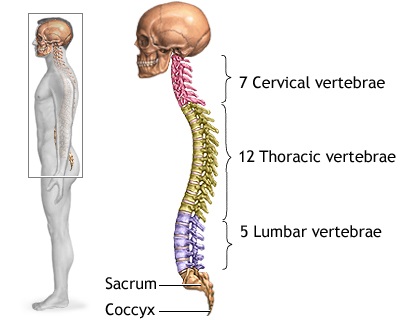
Ankylosing spondylitis is a type of arthritis of the spine. It causes swelling between your vertebrae, which are the disks that make up your spine, and in the joints between your spine and pelvis. Ankylosing spondylitis is an immune disease. The disease is more common and more severe in men. It often runs in families.
Early symptoms include back pain and stiffness. These problems often start in late adolescence or early adulthood. Over time, ankylosing spondylitis can fuse your vertebrae together, limiting movement. Symptoms can worsen or improve or stop altogether. The disease has no cure, but medicines can relieve the pain, swelling and other symptoms. Exercise can also help.
Systemic lupus erythematosus (SLE) is a disease that leads to long-term (chronic) inflammation.
Causes
Systemic lupus erythematosus (SLE) is an autoimmune disease in which the body's immune system mistakenly attacks healthy tissue. It can affect the skin, joints, kidneys, brain, and other organs.
The underlying cause of autoimmune diseases is not fully known.
SLE is much more common in women than men. It may occur at any age, but appears most often in people between the ages of 10 and 50. African Americans and Asians are affected more often than people from other races.
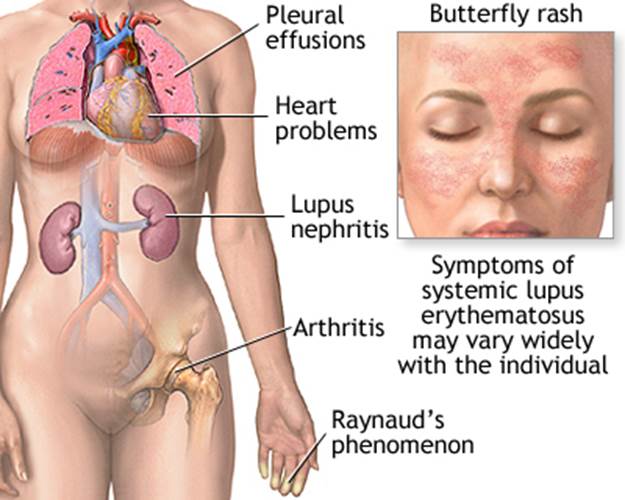
Symptoms vary from person to person, and may come and go. Almost everyone with SLE has joint pain and swelling. Some develop arthritis. The joints of the fingers, hands, wrists, and knees are often affected.
Other common symptoms include:
Chest pain when taking a deep breath
Fatigue
Fever with no other cause
General discomfort, uneasiness, or ill feeling (malaise)
Hair loss
Mouth sores
Sensitivity to sunlight
Skin rash -- a "butterfly" rash in about half people with SLE. The rash is most often seen over the cheeks and bridge of the nose, but can be widespread. It gets worse in sunlight.
Skin: patchy skin color, fingers that change color when cold (Raynaud's phenomenon)
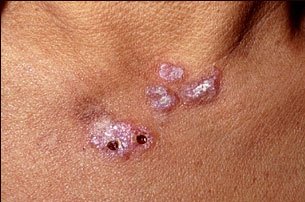
Some people have only skin symptoms. This is called discoid lupus.
Lupus, discoid - view of lesions on the chest: This close-up picture of the neck clearly shows the typical rounded appearance of discoid lupus. The whitish appearance is caused by scaling. The two dark spots are biopsy sites and are not part of the disease.
Exams and Tests
To be diagnosed with lupus, you must have 4 out of 11 common signs of the disease.
Systemic lupus erythematosus is a chronic inflammatory autoimmune disorder which may affect many organ systems including the skin, joints and internal organs. The disease may be mild or severe and life-threatening.
Your doctor will do a physical exam and listen to your chest. An abnormal sound called a heart friction rub or pleural friction rub may be heard. A nervous system exam will also be done.
There is no cure for SLE. The goal of treatment is to control symptoms. Severe symptoms that involve the heart, lungs, kidneys, and other organs often need treatment from specialists.
Mild forms of the disease may be treated with:
NSAIDs, such as ibuprofen, for joint symptoms and pleurisy
Corticosteroid creams for skin rashes
An antimalaria drug (hydroxychloroquine) and low-dose corticosteroids for skin and arthritis symptoms
Treatments for more severe lupus may include:
High-dose corticosteroids or medications to decrease the immune system response
Cytotoxic drugs (drugs that block cell growth). These medicines are used if you do not get better with corticosteroids, or if your symptoms get worse when the stop taking them. Side effects from these drugs can be severe, so you need to be monitored closely if you take them.
If you have lupus, it is also important to:
Wear protective clothing, sunglasses, and sunscreen when in the sun
Get preventive heart care
Stay up-to-date with immunizations
Have tests to screen for thinning of the bones (osteoporosis)
The outcome for people with SLE has improved in recent years. Many people with SLE have mild symptoms. How well you do depends on how severe the disease is.
The disease tends to be more active:
The first years after diagnosis
People under age 40
Many women with SLE can get pregnant and deliver a healthy baby. A good outcome is more likely for women who receive proper treatment and do not have serious heart or kidney problems. However, the presence of SLE antibodies raises the risk of miscarriage.
Possible Complications
Some people with SLE have abnormal deposits in the kidney cells. This leads to a condition called lupus nephritis. Patients with this problem may go on to develop kidney failure and need dialysis or a kidney transplant.
SLE can cause damage in many different parts of the body, including:
Call your health care provider if you have symptoms of SLE. Call your health care provider if you have this disease and your symptoms get worse or a new one occurs.