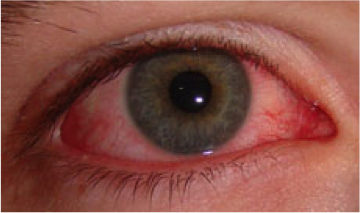
Конъюнктива бактериялардың және басқа тітіркендіргіштердің әрекетіне ұшырайды. Көз жасы бактерияларды шайып, конъюнктиваны қорғауға көмектеседі. Сондай-ақ, көз жасында ақуыздар және бактерияларды жоятын антиденелер болады.
Конъюнктивиттің пайда болуының көптеген себептері бар. Вирустар аса кең таралған себебін құрайды. Вирустық конъюнктивитті «қызғылт көз» деп те атайды. «Қызғылт көз» балалардың арасында жеңіл тарауы мүмкін.
Контактілік линзаларды қолдану (әсіресе, ұзақ уақыт бойы қолдануға арналған линзалар)
Жаңа туған сәбилер босану жолдарында бактериялармен жұқпалануы мүмкін. Бұл жағдай жаңа туған сәбилердің офтальмиясы аталады, көруді сақтау үшін бұл дереу емделуі тиіс.
Аллергиялық конъюнктивит аллергияны емдеу кезінде жазылып кетуі мүмкін. Аллергияны туындатқан себебімен қатынас жойылса, өз бетінше жазылып кетуі мүмкін. Суық компресс қою аллергиялық конъюнктивитті басуға көмектесуі мүмкін.
Антибиотикпен емдеу, көбінесе, көз тамшылары, бактериалдық конъюнктивитте тиімді.
Вирустық конъюнктивит өз бетінше өтеді.
Көптеген дәрігерлер «қызғылт көз» кезінде бактериалдық конъюнктивиттің алдын алу үшін жеңіл антибактериалдық көз тамшыларын тағайындайды.
Сіз вирустық немесе бактериалдық конъюнктивит кезінде жылы компресс қолдану арқылы жайсыздықты баса аласыз (көзге жабық күйінде жылы суға малынған матаны басу қажет).
Аудармашы: Ирина Гончарова, HealthСity жобасының дербес үйлестірушісі
Редакциялық алқа:
Алмаз Шарман, медицина профессоры
Ләзат Ақтаева, м.ғ.д.
Сәлім Смайылов, б.ғ.к.
Тендинит – сіңірдің ішіндегі және маңындағы қабыну, шаршаудан болатын қарапайым бұлшық еттің ауырсынуы секілді ауырсынуға апарады. Бірақ, қарапайым бұлшық еттің ауырсынуы – уақытша болса, тендинит тұрақты, ауырсынуы басылмайды. Алайда, егер сіңірді сол ауруды туындатқан ырғақпен жұмыс істететін болсаңыз, оны жеңу қиынға түседі. Бұл барлығына қатысты – әлемдік дәрежедегі марафонды жүгіретіндер мен терезе жуушылардан бастап хатшыларға дейін. Дегенмен, тендиниттің көрінісін азайтуға және күрделі асқынуының алдын алуға болады.
Емдеу. Тендинит физиотерапиялық әдістер, ауырсынуды басатын және қабынуға қарсы құралдардың көмегімен емделеді. Ауыр зақымдануда антибиотиктер мен хирургиялық емдеу қажет болады. емдеу барысында зақымданған байламның тұсында дене жүктемесін шектеу қажет, және ұстап тұратын таңғышты қолдану қажет.
Emergency treatment is needed if facial swelling is caused by burns or if you have breathing problems.
The health care provider will ask about your medical and personal history. This helps determine treatment or if any medical tests are needed. Questions may include:
· How long has the facial swelling lasted?
· When did it begin?
· What makes it worse?
· What makes it better?
· Have you come into contact with something you might be allergic to?
· What medicines are you taking?
· Did you recently injure your face?
· Did you have a medical test or surgery recently?
· First-degree burns affect only the outer layer of the skin. They cause pain, redness, and swelling.
· Second-degree burns affect both the outer and underlying layer of skin. They cause pain, redness, swelling, and blistering. They are also called partial thickness burns.
· Third-degree burns affect the deep layers of skin. They are also called full thickness burns. They cause white or blackened, burned skin. The skin may be numb.
Burns fall into 2 groups.
Minor burns are:
· First degree burns anywhere on the body
· Second degree burns less than 2 to 3 inches (5 to 7.5 centimeters) wide
Major burns include:
· Third-degree burns
· Second-degree burns more than 2 to 3 inches (5 to 7.5 centimeters) wide
· Second-degree burns on the hands, feet, face, groin, buttocks, or over a major joint
You can have more than 1 type of burn at a time.
Severe burns need urgent medical care. This can help prevent scarring, disability, and deformity.
Burns on the face, hands, feet, and genitals can be particularly serious.
Children under age 4 and adults over age 60 have a higher chance of complications and death from severe burns because their skin tends to be thinner than in other age groups.
Before giving first aid, it is important to determine what type of burn the person has. If you are not sure, treat it as a major burn. Serious burns need medical care right away. Call your local emergency number or 911.
MINOR BURNS
If the skin is unbroken:
· Run cool water over the area of the burn or soak it in a cool water bath (not ice water). Keep the area under water for at least 5 minutes. A clean, cold, wet towel will help reduce pain.
· Calm and reassure the person.
· After flushing or soaking the burn, cover it with a dry, sterile bandage or clean dressing.
· Protect the burn from pressure and friction.
· Over-the-counter ibuprofen or acetaminophen can help relieve pain and swelling. Do NOT give aspirin to children under 12.
· Once the skin has cooled, moisturizing lotion also can help.
Minor burns will often heal without further treatment. Make sure the person is up to date on their tetanus immunization.
MAJOR BURNS
If someone is on fire, tell the person to stop, drop, and roll. Then, follow these steps:
· Wrap the person in thick material; such as a wool or cotton coat, rug, or blanket. This helps put out the flames.
· Pour water on the person.
· Call 911 or your local emergency number.
· Make sure that the person is no longer touching any burning or smoking materials.
· Do NOT remove burned clothing that is stuck to the skin.
· Make sure the person is breathing. If necessary, begin rescue breathing and CPR.
· Cover the burn area with a dry sterile bandage (if available) or clean cloth. A sheet will do if the burned area is large. Do NOT apply any ointments. Avoid breaking burn blisters.
· If fingers or toes have been burned, separate them with dry, sterile, non-sticky bandage.
· Raise the body part that is burned above the level of the heart.
· Protect the burn area from pressure and friction.
· If an electrical injury may have caused the burn, DO NOT touch the victim directly. Use a non-metallic object to move the person away from exposed wires before starting first aid.
You will also need to prevent shock. If the person does not have a head, neck, back, or leg injury, follow these steps:
· Lay the person flat
· Raise the feet about 12 inches (30 centimeters)
· Cover the person with a coat or blanket
Continue to monitor the person's pulse, rate of breathing, and blood pressure until medical help arrives.
Also call a provider right away if symptoms of dehydration occur with a burn:
· Decreased urination
· Dizziness
· Dry skin
· Headache
· Lightheadedness
· Nausea (with or without vomiting)
· Thirst
Children, older people, and anyone with a weakened immune system (for example, from HIV) should be seen right away.
The provider will perform a history and physical examination. Tests and procedures will be done as needed.
These may include:
· Airway and breathing support, including a face mask, tube through the mouth into the trachea, or breathing machine (ventilator) for serious burns or those involving the face or airway
· Blood and urine tests if shock or other complications are present
· EKG (electrocardiogram, or heart tracing), if shock or other complications are present
· Intravenous fluids (fluids through a vein), if shock or other complications are present
· Medicines for pain relief and to prevent infection
· Ointments or creams applied to the burned areas
· Tetanus immunization, if not up to date
The outcome will depend on the type (degree), extent, and location of the burn. It also depends upon whether internal organs have been affected, and if other trauma has occurred. Burns can leave permanent scars. They can also be more sensitive to temperature and light than normal skin. Sensitive areas, such as the eyes, nose, or ears, may be badly injured and have lost normal function.
With airway burns, the person may have less breathing capacity and permanent lung damage. Severe burns that affect the joints may result in contractures, leaving the joint with decreased movement and a reduction in function.
Anaphylaxis is a severe, whole-body allergic reaction to a chemical that has become an allergen. An allergen is a substance that can cause an allergic reaction.
After being exposed to a substance such as bee sting venom, the person's immune system becomes sensitized to it. When the person is exposed to that allergen again, an allergic reaction may occur. Anaphylaxis happens quickly after the exposure. The condition is severe and involves the whole body.
Tissues in different parts of the body release histamine and other substances. This causes the airways to tighten and leads to other symptoms.
Some drugs (morphine, x-ray dye, aspirin, and others) may cause an anaphylactic-like reaction (anaphylactoid reaction) when people are first exposed to them. These reactions are not the same as the immune system response that occurs with true anaphylaxis. But, the symptoms, risk of complications, and treatment are the same for both types of reactions.
Anaphylaxis can occur in response to any allergen. Common causes include:
Anaphylaxis is an emergency condition that needs medical attention right away. Call 911 immediately.
Check the person's airway, breathing, and circulation, which are known as the ABC's of Basic Life Support. A warning sign of dangerous throat swelling is a very hoarse or whispered voice, or coarse sounds when the person is breathing in air. If necessary, begin rescue breathing and CPR.
1. Call 911.
2. Calm and reassure the person.
3. If the allergic reaction is from a bee sting, scrape the stinger off the skin with something firm (such as a fingernail or plastic credit card). Do not use tweezers. Squeezing the stinger will release more venom.
4. If the person has emergency allergy medicine on hand, help the person take or inject it. Do not give medicine through the mouth if the person is having difficulty breathing.
5. Take steps to prevent shock. Have the person lie flat, raise the person's feet about 12 inches, and cover the person with a coat or blanket. Do not place the person in this position if a head, neck, back, or leg injury is suspected, or if it causes discomfort.
DO NOT:
Do not assume that any allergy shots the person has already received will provide complete protection.
Do not place a pillow under the person's head if they are having trouble breathing. This can block the airways.
Do not give the person anything by mouth if they are having trouble breathing.
Anaphylaxis can be life-threatening without prompt treatment. Symptoms usually do get better with the right therapy, so it is important to act right away.
Avoid triggers such as foods and medicines that have caused an allergic reaction in the past. Ask detailed questions about ingredients when you are eating away from home. Also carefully examine ingredient labels.
If you have a child who is allergic to certain foods, introduce one new food at a time in small amounts so you can recognize an allergic reaction.
People who know that they have had serious allergic reactions should wear a medical ID tag.
If you have a history of serious allergic reactions, carry emergency medicines (such as a chewable antihistamine and injectable epinephrine or a bee sting kit) according to your provider's instructions.
Do not use your injectable epinephrine on anyone else. They may have a condition (such as a heart problem) that could be worsened by this drug.
A doctor can usually diagnose a bunion by looking at it. A foot x-ray can show an abnormal angle between the big toe and the foot. In some cases, arthritis may also be seen.
When a bunion first begins to develop, take good care of your feet.
Wear wide-toed shoes. This can often solve the problem and prevent you from needing more treatment.
Wear felt or foam pads on your foot to protect the bunion, or devices called spacers to separate the first and second toes. These are available at drugstores.
Try cutting a hole in a pair of old, comfortable shoes to wear around the house.
If the bunion gets worse and more painful, surgery to realign the toe and remove the bony bump (bunionectomy) can be effective. There are more than 100 different surgical procedures to treat this condition.
You can do well if you take care of the bunion when it first starts to develop, and wear different shoes. Teenagers may have more trouble treating a bunion than adults.
Surgery reduces the pain in many, but not all, people with bunions. After surgery, people often have trouble wearing tight, fashionable shoes.
Для уменьшения отека, возникшего из-за травмы, приложите к нему холодный компресс. Приподнимите изголовье кровати (или подложите под голову дополнительные подушки), чтобы уменьшить отечность лица.
Если отеки лица вызваны ожогами, а также при наличии проблем с дыханием пациенту требуется оказание неотложной медицинской помощи.
Врач расспросит Вас об истории заболевания и задаст несколько вопросов о Вашей жизни. Это поможет ему определиться с тактикой лечения и необходимостью проведения каких-либо обследований. Врач может задать Вам следующие вопросы:
Бурсит большого пальца стопы (воспаление околосуставных серозных сумок) – это отклонение основания большого пальца стопы в противоположную сторону от остальных пальцев. Это приводит к формированию болезненной шишки на наружной поверхности большого пальца стопы.
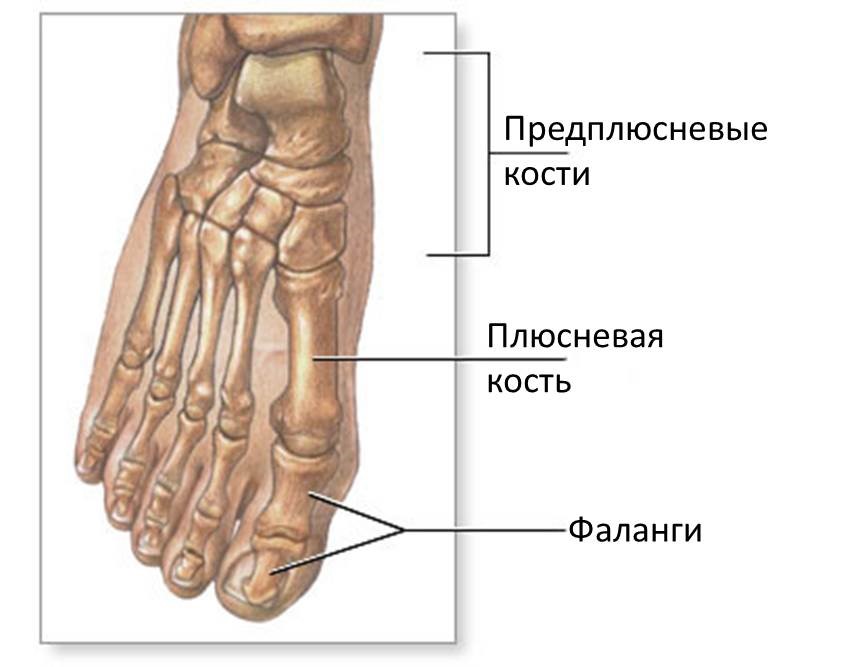
На стопе различают предплюсну, плюсну и кости пальцев стопы (фаланги).
Бурсит большого пальца стопы чаще встречается у женщин. Формированию бурсита большого пальца стопы способствует наличие врожденной патологии суставов стопы.
Ношение обуви на высоких каблуках и с узким носом может привести к развитию бурсита большого пальца стопы.
По мере прогрессирования заболевания (увеличение шишки) суставная сумка заполняется жидкостью, что способствует возникновению болезненности у основания большого пальца стопы.
Обычно врач может диагностировать бурсит большого пальца стопы при осмотре. Рентген стопы может выявить расположение большого пальца под углом по отношению к стопе. В некоторых случаях может быть диагностирован артрит.
Если бурсит большого пальца стопы развился впервые, вам необходимо тщательно заботиться о ногах.
• Выбирайте удобную обувь с широким носом. Зачастую это может решить проблему и предотвратить необходимость дальнейшего лечения.
• Пользуйтесь различными ортопедическими приспособлениями: носите войлочные прокладки или, так называемые распорки для отделения первого и второго пальцев стопы.
• Попытайтесь вырезать отверстие для «шишки, нароста» в старой, удобной обуви, чтобы иметь возможность гулять рядом с домом.
Хирургическое вмешательство (бурсэктомия - иссечение синовиальной сумки) может быть эффективным при прогрессировании симптомов бурсита и нарастании болезненности. Цель операции заключается в выравнивании пальца и удалении костного отростка «нароста». Существует более 100 различных оперативных методик по лечению данного заболевания.
Проявляйте заботу о своих ногах на начальном этапе развития бурсита большого пальца стопы и носите удобную обувь. При лечении у подростков может возникнуть больше трудностей, чем у взрослых.
Оперативное лечение помогает многим пациентам с бурситом большого пальца стопы уменьшить боль. После хирургического вмешательства у пациентов часто возникают трудности при выборе модной обуви.
Поверхностный тромбофлебит может возникнуть после травм вен или использования внутривенного катетера. Если у вас имеется высокий риск развития данного заболевания, оно может возникнуть без видимой причины.
К факторам риска возникновения поверхностного тромбофлебита относятся:
Химическое загрязнение области проживания
Заболевания, характеризующиеся повышенным свертыванием крови
Инфекции
Беременность
Длительное нахождение в сидячем или лежачем положении
Покраснение кожи или воспаление вдоль подкожной вены
Кожа теплая на ощупь
Напряжение или боль вдоль подкожной вены - боль усиливается при надавливании
Боль в конечностях
Уплотнение вены (индурация)
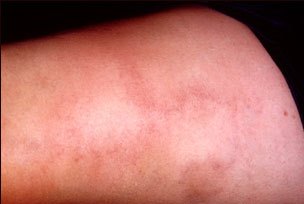
На данном изображении на нижней конечности на фоне сосудистого рисунка видна эритема. Поверхностные вены воспалены и расширены, наблюдается изменение их цвета.
Врач будет диагностировать поверхностный тромбофлебит, опираясь в основном на внешний вид пораженной области. Могут понадобиться частые измерения пульса, артериального давления, температуры, определение состояния кожи и кровотока.
Следующие диагностические исследования могут помочь подтвердить наличие заболевания:
Ультразвуковая допплерография
Ультразвуковое дуплексное сканирование сосудов
Венография
При наличии признаков инфекции может понадобиться исследование культуры микроорганизмов кожи или крови.
Цель лечения заключается в уменьшении боли и воспаления и предотвращении осложнений.
Для уменьшения дискомфорта и отеков рекомендуется ношение эластичных чулок и придание пораженной конечности возвышенного положения. Также может оказаться полезным прикладывание теплого компресса на пораженный участок.
Если доказано, что поверхностный тромбофлебит вызван внутривенным катетером, он должен быть немедленно удален.
К лекарственным препаратам для лечения поверхностного тромбофлебита относятся:
Нестероидные противовоспалительные препараты (НПВП) для уменьшения воспаления
Обезболивающие препараты
Если также имеется тромбоз глубоких вен, врач назначит вам лекарства, разжижающие кровь (антикоагулянты). Антибиотики назначаются при наличии инфекции.
Для лечения варикозного расширения вен и предотвращения повторных эпизодов тромбофлебита пациентам из группы высокого риска рекомендуется хирургическое удаление (флебэктомия) либо склеротерапия пораженной вены.
Поверхностный тромбофлебит обычно протекает легко и не вызывает осложнений. Симптомы, как правило, проходят в течение 1-2 недель, но напряжение вены может сохраняться в течение длительного времени.
Обратитесь к врачу или медицинской сестре при наличии у вас симптомов этого заболевания.
Обратитесь к врачу, если у вас уже диагностирован поверхностный тромбофлебит, и вы не отмечаете улучшения состояния на фоне лечения, либо у вас отмечается прогрессирование симптомов.
Обращайтесь к врачу при появлении любых новых симптомов, например, если ваши ноги стали бледными, холодными на ощупь, отекшими, или у вас появились озноб и лихорадка.
Если вам необходимо внутривенное введение какого-либо препарата, риск поверхностного тромбофлебита может быть снижен путем регулярного изменения местоположения внутривенного доступа и немедленного удаления внутривенного катетера при наличии признаков воспаления.
По мере возможности старайтесь не оставлять ноги и руки в одном положении в течение длительного времени. Часто двигайте ногами или старайтесь прогуливаться во время длительных перелетов, автомобильных поездок и других ситуаций, в которых вы в течение длительного времени вынуждены находиться в сидячем или лежачем положении. Для снижения риска возникновения поверхностного тромбофлебита после операций или длительного соблюдения постельного режима из-за болезни старайтесь как можно раньше начинать вставать или гулять.