Retropharyngeal abscess generally affects children under age 5, but it can occur at any age.
Infected material (pus) builds up in the space around the tissues at the back of the throat. This can occur during or immediately after a throat infection.
The health care provider will perform a physical exam and look inside the throat. The doctor or nurse may gently rub the back of the throat with a cotton swab. This is to take a sample of tissue to check it more closely and is called a throat culture.
Surgery is needed to drain the infected area. Corticosteroids are sometimes given to reduce airway swelling. High-dose antibiotics are given through a vein (intravenous) to treat the infection.
The airway will be protected so that it does not become completely blocked by the swelling.
It is important to get immediate medical help. This condition can lead to blockage of the airway. This is life-threatening. With prompt treatment, a full recovery is expected.
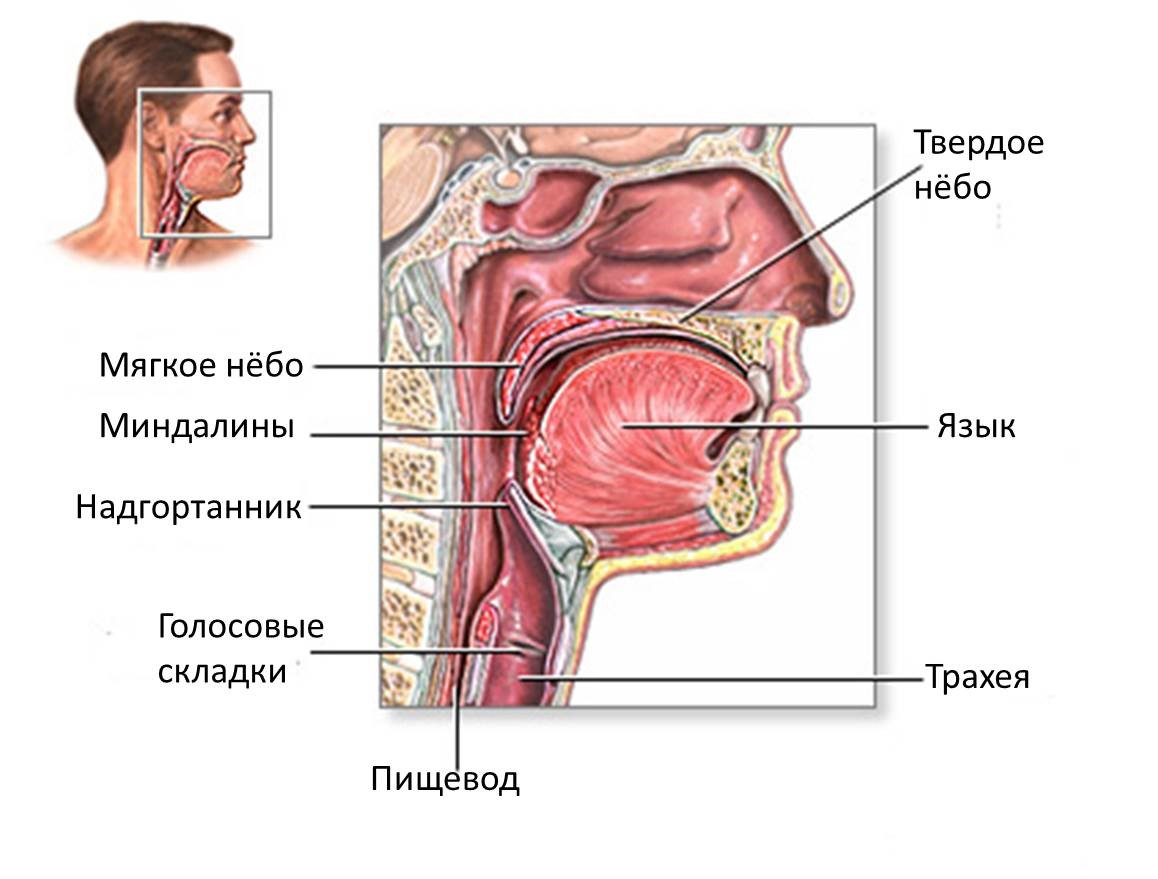
The epiglottis is a stiff, yet flexible tissue (called cartilage) at the back of the tongue. It closes your windpipe (trachea) when you swallow so food does not enter your airway. This helps prevent coughing or choking after swallowing.
Swelling of the epiglottis is usually caused by the bacteria Haemophilus influenzae (H. influenzae). It may also be due to other bacteria or viruses that can cause upper respiratory infections.
Epiglottitis is now very uncommon because the H. influenzae type B (Hib) vaccine is a routine childhood immunization. The disease was once most often seen in children ages 2 through 6. In rare cases, epiglottitis can occur in adults.
Epiglottitis is a medical emergency. Seek immediate medical help. Do not use anything to press the tongue down to try to look at the throat at home. Doing so may make the condition worse.
The health care provider may examine the voice box (larynx) using a small mirror held against the back of the throat. Or a viewing tube called a laryngoscope may be used. This examination is best done in the operating room or a similar setting where sudden breathing problems can be more easily handled.
The Hib vaccine protects most children from epiglottitis.
The most common bacteria (H. influenzae) that causes epiglottitis is contagious. If someone in your family is sick from this bacteria, other family members need to be tested and treated.
Наиболее часто заглоточный абсцесс развивается у детей в возрасте до 5 лет, но также может возникнуть в любом возрасте.
Инфицированный материал (гной) накапливается в пространстве вокруг тканей на задней стенке глотки. Заболевание может развиться во время или сразу после перенесенной инфекции горла.
Врачу будет необходимо провести осмотр и заглянуть внутрь горла. Врач или медсестра могут аккуратно протереть заднюю стенку глотки ватным тампоном. Процедура необходима для получения образца для детального лабораторного исследования, называемого исследованием культуры из горла.
Хирургическое лечение применяется для очищения зараженной области. Иногда для уменьшения отека дыхательных путей назначаются кортикостероиды. Высокие дозы антибиотиков вводятся внутривенно для лечения инфекции.
Таким образом, дыхательные пути будут защищены и не заблокируются полностью при отеке.
При данном заболевании необходимо обратиться за экстренной медицинской помощью. Это состояние может привести к закупорке дыхательных путей. Оно опасно для жизни. При своевременном лечении возможно полное восстановление.
Своевременная диагностика и лечение фарингита или инфекций верхних дыхательных путей могут предотвратить развитие заглоточного абсцесса.
Эпиглоттит – это воспаление надгортанника, который расположен над проходом в трахею. Когда человек глотает, этот тканевый клапан закрывается, чтобы предотвратить попадание пищи и жидкости в трахею.
Эпиглоттит может быть опасным для жизни, так как воспаленный и опухший надгортанник может быстро заблокировать трахею и затруднить дыхание. Как правило, эпиглоттит начинается внезапно, без предшествующей инфекции верхних дыхательных путей.
Симптомы эпиглоттита включают:
Затрудненное или шумное дыхание (стридор).
Жар.
Слюнотечение и затрудненное глотание жидкости.
Приглушенный голос.
Затрудненное дыхание в положении лежа. Ребенок, страдающий эпиглоттитом, обычно предпочитает сидеть в постели и наклонять вперед голову и челюсть, чтобы дышать.
В прошлом большинство случаев бактериального эпиглоттита у детей вызывалось Haemophilusinfluenzae. Эту инфекцию можно предотвратить с помощью вакцины против Haemophilus influenzae типа b (Hib). Эпиглоттит у детей, вызванный Haemophilus influenzae сейчас встречается очень редко благодаря вакцине. У взрослых причиной обычно является стрептококковая инфекция.
Ребенок с диагнозом эпиглоттит выглядит очень больным и измученным. Если у ребенка симптомы эпиглоттита, вызовите экстренную помощь.