Urethritis may be caused by bacteria or a virus. The same bacteria that cause urinary tract infections (E. coli) and some sexually transmitted diseases (chlamydia, gonorrhea) can lead to urethritis. Viral causes of urethritis include herpes simplex virus and cytomegalovirus.
Other causes include:
Injury
Sensitivity to the chemicals used in spermicides or contraceptive jellies, creams, or foams
Risks for urethritis include:
Being a female in the reproductive years
Being male, ages 20 - 35
Having many sexual partners
High-risk sexual behavior (such as anal sex without a condom)
You may take pain relievers, including nonsteroidal anti-inflammatory drugs or phenazopyridine (Pyridium), which works on the urinary tract, along with antibiotics.
People with urethritis who are being treated should avoid sex or use condoms during sex. If an infection is the cause of the inflammation, your sexual partner must also be treated.
Urethritis caused by trauma or chemical irritants is treated by avoiding the source of injury or irritation.
Urethritis that does not clear up after antibiotic treatment and lasts for at least 6 weeks is called chronic urethritis. Different antibiotics may be used to treat this problem.
With the correct diagnosis and treatment, urethritis usually clears up without any complications.
However, urethritis can lead to permanent damage to the urethra (scar tissue called urethral stricture) and other urinary organs in both men and women.
Some causes of urethritis may be avoided with good personal hygiene and by practicing safer sexual behaviors such as monogamy (one sexual partner only) and using condoms.
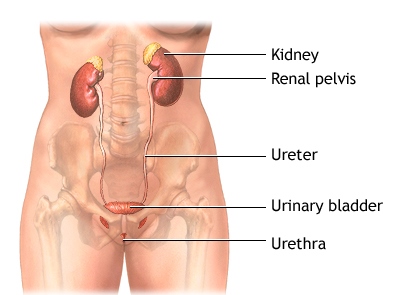
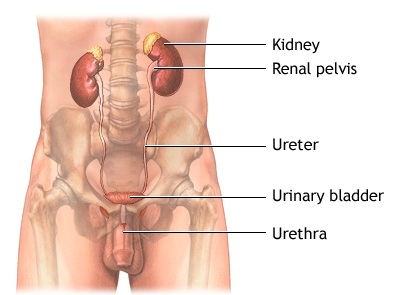
The urethra is the tube that allows urine to pass out of the body. In men, it's a long tube that runs through the penis. It also carries semen in men. In women, it's short and is just above the vagina. Urethral problems may happen due to aging, illness, or injury. They include
Urethritis - inflammation of the urethra, sometimes caused by infection
Female urinary system Male urinary system
The female and male urinary tracts are relatively the same except for the length of the urethra.
Urethral problems may cause pain or difficulty passing urine. You may also have bleeding or discharge from the urethra.
Doctors diagnose urethral problems using different tests. These include urine tests, x-rays and an examination of the urethra with a scope called a cystoscope. Treatment depends on the cause of the problem. It may include medicines and, in severe cases, surgery.