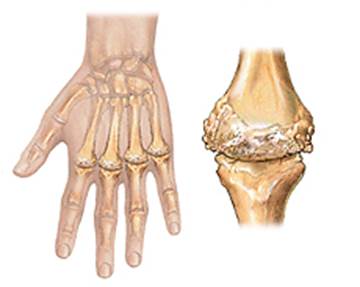
Rheumatoid arthritis (RA) is an autoimmune disease that causes inflammation and pain in your joints. It can also affect other parts of your body, such as the lining of your heart and lungs.
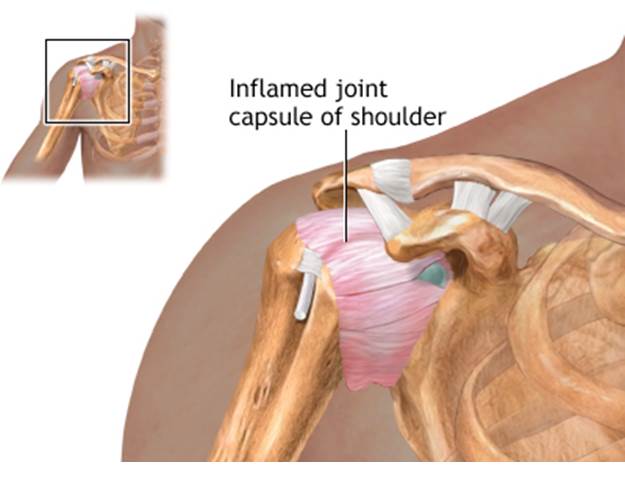
The hands, wrists, feet and knees are usually the first joints affected. RA usually affects several joints at the same time, on both sides of your body. For example, both of your wrists may be painful and stiff. Over time, it may also affect larger joints, such as your jaw, shoulders and hips.
Your doctor will ask you about your symptoms and may give you a physical exam. He or she may also order blood tests, a joint fluid analysis (which tests the fluid in your joints for other possible causes of your pain) and X-rays to help make a diagnosis.
Medicines you can buy without a prescription that reduce inflammation, such as aspirin, ibuprofen, or relieve pain, such as acetaminophen, can help you feel better. Your doctor can also prescribe medicine for you, such as prescription pain relievers or prescription nonsteroidal anti-inflammatory drugs (NSAIDs). These medicines reduce pain and swelling, but they do not slow the damage to your joints. These medicines should be used wisely. You only need the amount that makes you feel well enough to keep moving. Using too much medicine may increase the risk of side effects.
Medicines that manage your immune system (called immunosuppressants) can also be used to fight RA. When you have RA, your immune system is out of control. These drugs bring it back to normal. However, these medicines can lower your immune system's response to infections.
If you have only a few sore joints, your doctor may prescribe steroids (such as prednisone). Steroids reduce pain and swelling and slow the damage to your joints, but they can only be used for a little while. The longer steroids are used (many months or years), the less effective they become. They can also cause side effects, such as easy bruising, bone thinning, cataracts and diabetes.
Antirheumatic (say: "anti-roo-mat-ick") medicines can help fight RA. If these medicines are started early enough, they can slow the damage to your joints. These medicines work slowly, and it can take a few weeks to start feeling better. Your doctor may do a blood test to make sure these medicines are safe for you. Some of these medicines should not be taken if you are pregnant. Your doctor may talk to you about birth control before you use any antirheumatic medicines.
Surgery may be an option for cases of RA that are not effectively treated with medicine. Surgery can help you regain joint movement, ease pain and correct deformities caused by RA. Ask your doctor about the benefits and risks of surgery.
Talk to your doctor about all the treatment options for RA.
RA is a lifelong disease. Sometimes, if it's treated, it will go away for a little while, but it usually comes back. It is important to see your doctor as soon as you begin to experience symptoms.
Regular, gentle exercise can strengthen the muscles around your joints and relieve fatigue. Mild water aerobics or walking are good exercises to start with. Stop if you feel pain in a new joint while exercising. If the pain does not get better, you should call your doctor.
Losing weight if you are overweight and eating a healthy diet can also help RA.
In order to lessen the stress on affected joints, you can use devices to help you do everyday activities. Grabbing tools can help you pick items up. Canes can make walking easier. Ask your doctor about the tools that are available to make your daily life easier.
To ease pain, you can also apply heat or cold to your painful joints. Heat relaxes tense muscle and cold can numb pain. An easy way to apply heat is to take a 15-minute hot shower or bath. Cold packs or soaking joints in cold water are effective ways to apply cold treatment. However, you should not use these methods if you have poor circulation.
What can I do?
Exercise regularly.
Lose weight if you are overweight.
Eat a healthy diet.
Use heat to reduce pain and stiffness (such as a hot shower or a heating pad).
RA can cause other health problems. Your hands may become bent or twisted (deformed). Lung and heart problems may also occur. Talk to your doctor if you notice any new symptoms or problems.
Pseudogout is a joint disease that can cause attacks of arthritis. Like with gout, crystals form in the joints. But in pseudogout, the crystals are not formed from uric acid.
Pseudogout is caused by the collection of salt called calcium pyrophosphate dihydrate (CPPD). The buildup of this salt forms crystals in the joints. This leads to attacks of joint swelling and pain in the knees, wrists, ankles, and other joints.
Among older adults, pseudogout is a common cause of sudden (acute) arthritis in one joint.
Pseudogout mainly affects the elderly. However, it can sometimes affect younger patients who have conditions such as:
An examination of joint fluid shows white blood cells and calcium pyrophosphate crystals.
Joint x-rays may show joint damage and calcium deposits in joint spaces.
Carefully testing crystals found in the joints can help the doctor diagnose the condition. Because most conditions involving joint pain are treated with the same medicines (such as steroids and nonsteroidal anti-inflammatory drugs), you may still get the right treatment even if your diagnosis was incorrect at first.
There is no known way to prevent this disorder. However, treating other problems that may cause pseudogout may make the condition less severe, and may help prevent it from developing in patients who don't already have it.