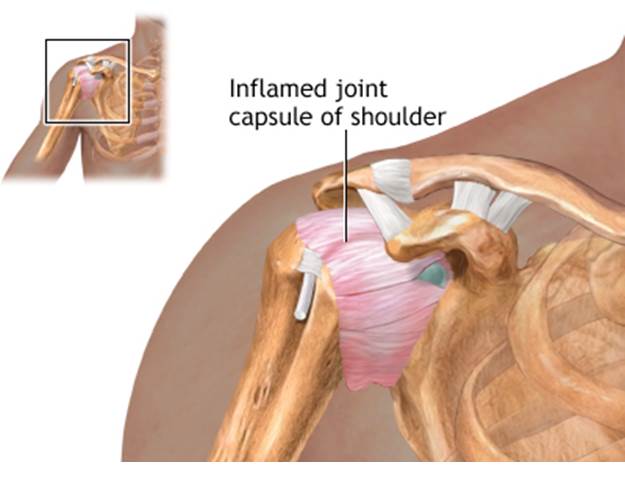
Pseudogout is a joint disease that can cause attacks of arthritis. Like with gout, crystals form in the joints. But in pseudogout, the crystals are not formed from uric acid.
Pseudogout is caused by the collection of salt called calcium pyrophosphate dihydrate (CPPD). The buildup of this salt forms crystals in the joints. This leads to attacks of joint swelling and pain in the knees, wrists, ankles, and other joints.
Among older adults, pseudogout is a common cause of sudden (acute) arthritis in one joint.
Pseudogout mainly affects the elderly. However, it can sometimes affect younger patients who have conditions such as:
An examination of joint fluid shows white blood cells and calcium pyrophosphate crystals.
Joint x-rays may show joint damage and calcium deposits in joint spaces.
Carefully testing crystals found in the joints can help the doctor diagnose the condition. Because most conditions involving joint pain are treated with the same medicines (such as steroids and nonsteroidal anti-inflammatory drugs), you may still get the right treatment even if your diagnosis was incorrect at first.
There is no known way to prevent this disorder. However, treating other problems that may cause pseudogout may make the condition less severe, and may help prevent it from developing in patients who don't already have it.