Согласно новому научному исследованию, которое планируется опубликовать в журнале Acta Paediatrica, младенцы частично усваивают роднойязык еще, будучи в утробе матери. Об этом сообщает медицинский портал zdrav.kz.
Gestational diabetes is defined as glucose intolerance during pregnancy. During your pregnancy, hormonal changes can cause the body to be less sensitive to the effect of insulin. These changes can lead to high blood sugar and diabetes. High blood sugar levels in pregnancy are dangerous for both mother and baby.
Usually there are no symptoms, or the symptoms are mild and not life threatening to the pregnant woman. Theblood sugar (glucose) level usually returns to normal after delivery.
Gestational diabetes usually starts halfway through the pregnancy. All pregnant women should receive an oral glucose tolerance test between the 24th and 28th week of pregnancy to screen for the condition. Women who have risk factors for gestational diabetes may have this test earlier in the pregnancy.
Once you are diagnosed with gestational diabetes, you can see how well you are doing by testing your glucose level at home. The most common way involves pricking your finger and putting a drop of your blood on a machine that will give you a glucose reading.
The goals of treatment are to keep blood sugar (glucose) levels within normal limits during the pregnancy, and to make sure that the growing baby is healthy.
WATCHING YOUR BABY
Your health care provider should closely check both you and your baby throughout the pregnancy. Fetal monitoring will check the size and health of the fetus.
A nonstress test is a very simple, painless test for you and your baby.
A machine that hears and displays your baby's heartbeat (electronic fetal monitor) is placed on your abdomen.
Your health care provider can compare the pattern of your baby's heartbeat to movements and find out whether the baby is doing well.
DIET AND EXERCISE
The best way to improve your diet is by eating a variety of healthy foods. You should learn how to read food labels, and check them when making food decisions. Talk to your doctor or dietitian if you are a vegetarian or on some other special diet.
Most women with gestational diabetes are able to control their blood sugar and avoid harm to themselves or their baby.
Pregnant women with gestational diabetes tend to have larger babies at birth. This can increase the chance of problems at the time of delivery, including:
Birth injury (trauma) because of the baby's large size
Your baby is more likely to have periods of low blood sugar (hypoglycemia) during the first few days of life.
Mothers with gestational diabetes have an increased risk for high blood pressure during pregnancy.
There is a slightly increased risk of the baby dying when the mother has untreated gestational diabetes. Controlling blood sugar levels reduces this risk.
High blood sugar (glucose) levels often go back to normal after delivery. However, women with gestational diabetes should be watched closely after giving birth and at regular doctor's appointments to screen for signs of diabetes. Many women with gestational diabetes develop diabetes within 5 - 10 years after delivery.
Beginning prenatal care early and having regular prenatal visits helps improve your health and the health of your baby. Having prenatal screening at 24 - 28 weeks into the pregnancy will help detect gestational diabetes early.
If you are overweight, decreasing your body mass index (BMI) to a normal range before you get pregnant will decrease your risk of developing gestational diabetes.
Уже давно известно, что диета беременной женщины влияет на развитие плода, однако недавно проведенное исследование показало, что немаловажную роль в этом процессе также играет диета отца до зачатия ребенка.
Плацентаның алда жатуы – жүктілік кезінде пайда болатын, плацентаның жатырдың төменгі бөлігінде оның ішкі аңқасының аумағын толық немесе ішінара қамтумен орналасуымен сипатталатын дерт.
Жүктілік кезінде плацента өседі және даму үстіндегі баланы қорғайды. Жатырдың ішкі аңқасы деп босану жолдарының бастапқы бөлімін атайды.
Жатырдың анатомиясы
Жатыр – әйелдің репродуктивтік жүйесінің бөлігі. Ол - ұрықтың дамуы өтетін, алмұрт пішінді қуыс ағза. Жатыр жамбас қуысында, несеп қап пен тік ішектің арасында орналасқан.
Жатырдың төменгі тарылған тұсында мойны орналасқан. Жатырдың мойыннан жоғары орналасқан кең бөлігі жатырдың денесі аталады. Күмбез тәрізді жоғарғы бөлігі жатырдың түбі аталады. Жатыр түтіктері - жатырдың екі жағында орналасқан өсінділері. Олар аналық бездермен аяқталады.
Жатырдың қабырғасы екі қабаттан тұрады. Ішкі қабаты эндометрий аталады. Жатырдың сыртқы қабаты бұлшық еттен тұрады және миометрий аталады.
Бала өрбіту жасындағы әйелдерде әр ай сайын эндометрийдің қалыңдауы өтеді, бұл жатырдың жүктілікке дайындығымен байланысты. Егер жүктілік орнамаса, эндометрийдің қалың сыртқы қабаты ажырайды және қынап арқылы қан ұйындысымен бірге сыртқа шығады. Бұл етеккір аталады.
Жүктілік кезінде жатыр қуысында плацентаның өсуі және жылжуы болады. Жүктіліктің басында өте жиі түрде плацента жатырдың төменгі бөлімдерінде орналасады. Бірақ, жүктілік дамыған сайын ол жоғарғы бөліктерге көтеріле бастайды. Үшінші кезеңде плацента толығымен жатырдың жоғарғы бөлімінде болуы тиіс, бұл кезде жатыр мойнының ашылуы және босануға дайындығы жүреді.
Кейде плацента ішінара немесе толығымен жатырдың ішкі аңқасын жауып тұрады. Осы плацентаның алда жатуын білдіреді.
Плацентаның алда жатуының бірнеше түрі бар:
Маргиналдық алда жатуы (шекаралық): Плацента ішкі аңқаның шетіне жақын орналасқан, бірақ, оны жаппайды.
Ішінара: Плацента ішкі аңқаны ішінара жабады.
Толықтай: Плацента ішкі аңқаны толығымен жабады.
Плацентаның алда жатуы 200 жүктілік жағдайының бірінде кездеседі. Ол көбінесе келесі әйелдерде кездеседі:
Жатырдың ауытқулы түрімен
Алдыңғы көптеген жүктілігі болған
Көп ұрықты жүктілік (егіз, үшем, т.б.)
Хирургиялық араласуға, Кесарь тілігіне, алдыңғы жүктіліктер немесе жасанды түсікке байланысты жатырдың сілемей қабатында тыртығымен.
Сондай-ақ, плацентаның алда жатуының жоғары қаупіне темекі шегетін әйелдер және жасы үлкен әйелдер бейім.
Плацентаның алда жатуының негізгі симптомы – іншектен (қынаптан) қан кетуі. Кейбір әйелдерде, сондай-ақ, шаншу қадалуы мүмкін. Қан кетуі әдетте, екінші немесе үшінші кезеңнің басында пайда болады.
Қан кетуі ауыр болуы мүмкін. Ол өздігінше тоқтауы мүмкін, бірақ, бірнеше күннен немесе аптадан кейін қайталануы мүмкін.
Кейде бірнеше күн күшті қан кетуден кейін босану басталуы мүмкін. Кейбір жағдайда қан кетуі босану басталғанға дейін пайда болмауы мүмкін.
Емдеуші дәрігер қан кетуінің қаупін және сәбидің мерзімінен бұрын туылу қаупінің пайда болуын мұқият бағалауы тиіс. Баланың 36-шы аптадан кейін туылуы бұл жағдайды емдеудегі оңтайлы нұсқасы.
Плацентаның алда жатуы бар әйелдердің барлығына дерлік Кесарь тілігі ұсынылады. Егер плацента жатырдың ішкі аңқасын толығымен немесе ішінара жабатын болса, табиғи жолдар арқылы босану күшті қан кетуін туындатуы мүмкін. Ол ана мен балаға аса қатерлі болуы мүмкін.
Егер плацента жатырдың ішкі бөлігінің қасында немесе оны жабатын болса, дәрігер ұсынуы мүмкін:
Дене жүктемесін шектеу
Төсек тарту
Жыныстық қатынасқа түспеу, тампон мен бүркуді қолдануға тыйым салу
Іншекке (қынапқа) бірнәрсе қоюға тыйым салынады.
Ана мен баланың жағдайын мұқият қадағалау үшін ауруханаға жатқызылуы мүмкін.
Емдеудің басқа әдістері:
Қан құю
Мезгілінен бұрын босанудың алдын алу үшін дәрілік препараттар
Жүктілікті 36 аптаға дейін созуға көмектесетін дәрілік препараттар
Ана мен ұрықтың резус-қайшылығы болуында қолданылатын дәрілік препараттың инъекциялары
Баланың өкпесін дамытуды үдететін стероидтық препараттардың инъекциялары
Ауыр және бақыланбайтын қан кетуінде шұғыл түрде Кесарь тілігі қажет болуы мүмкін.
Күшті қан кетуі ана мен баланың өміріне қауіп төндіруі мүмкін. Күшті қан кетуінде өкпе секілді негізгі ағзалары қалыптасып үлгергенге дейін баланы алу үшін шұғыл Кесарь тілігін жасау қажет болады.
Жүктілік кезінде іншектік (қынаптық) қан кетуі пайда болса, дәрігерге көрініңіз. Плацентаның алда жатуы ана мен баланың өміріне бірдей қауіпті болуы мүмкін.
Согласно результатам исследования, в ходе которого были проанализированы 1,5 миллиона родов в Швеции, беременные женщины, страдающие от лишнего веса или ожирения, чаще рожают преждевременно, а риск выкидышей повышается с увеличением лишнего веса.
Согласно исследованию, проведенному специалистами из университета Дарема и Ланкастера в Великобритании, будущие младенцы практикуются в выражении эмоций еще в утробе матери.
Согласно результатам исследования, проведенного в Великобритании, у беременных, рацион которых был богат витамином D, рождаются физически более сильные дети.
Preeclampsia is when a pregnant woman develops high blood pressure and protein in the urine after the 20th week (late 2nd or 3rd trimester) of pregnancy.
Often, women who have preeclampsia do not feel sick.
Symptoms of preeclampsia can include:
· Swelling of the hands and face/eyes (edema)
· Sudden weight gain over 1-2 days, more than 2 pounds a week
Note: Some swelling of the feet and ankles is considered normal during pregnancy.
Symptoms of severe preeclampsia include:
· Headache that does not go away
· Belly pain on the right side, below the ribs. Pain may also be felt in the right shoulder, and can be confused with heartburn, gallbladder pain, a stomach virus, or the baby kicking
· Irritability
· Decreased urine output, not urinating very often
· Nausea and vomiting (worrisome sign)
· Vision changes, including temporary blindness, seeing flashing lights or spots, sensitivity to light, and blurry vision
The doctor will perform a physical exam. This may show:
· High blood pressure, usually higher than 140/90 mm/Hg
· Swelling in the hands and face
· Weight gain
Blood and urine tests will be done. This may show:
· Protein in the urine (proteinuria)
· Higher-than-normal liver enzymes
· Platelet count less than 100,000
Tests will also be done to:
· See how well your blood clots
· Monitor the baby's health
The results of a pregnancy ultrasound, non-stress test, and other tests will help your doctor decide whether your baby needs to be delivered immediately.
Women who had low blood pressure at the start of their pregnancy, followed by a significant rise in blood pressure need to be watched closely for other signs of preeclampsia.
The only way to cure preeclampsia is to deliver the baby.
If your baby is developed enough (usually 37 weeks or later), your doctor may want your baby to be delivered so the preeclampsia does not get worse. You may receive medicines to help trigger labor, or you may need a c-section.
If your baby is not fully developed and you have mild preeclampsia, the disease can often be managed at home until your baby has a good chance of surviving after delivery. The doctor will probably recommend:
· Bed rest, lying on your left side most or all of the time
· Drinking plenty of water
· Eating less salt
· Frequent doctor visits to make sure you and your baby are doing well
· Medicines to lower your blood pressure (sometimes)
Sometimes, a pregnant woman with preeclampsia is admitted to the hospital so the health care team can more closely watch the baby and mother.
Treatment in the hospital may include:
· Close monitoring of the mother and baby
· Medicines to control blood pressure and prevent seizures and other complications
· Steroid injections (after 24 weeks) to help speed up the development of the baby's lungs
You and your doctor will continue to discuss the safest time to deliver your baby, considering:
· How close you are to your due date. The further along you are in the pregnancy before you deliver, the better it is for your baby.
· The severity of the preeclampsia. Preeclampsia has many severe complications that can harm the mother.
· How well the baby is doing in the womb.
The baby must be delivered if there are signs of severe preeclampia, including:
· Tests that show your baby is not growing well or is not getting enough blood and oxygen
· The bottom number of your blood pressure is over 110 mmHg or is greater than 100 mmHg consistently over a 24-hour period
· Abnormal liver function test results
· Severe headaches
· Pain in the belly area (abdomen)
· Seizures or changes in mental function (eclampsia)
· Fluid in the mother's lungs (pulmonary edema)
· HELLP syndrome (rare)
· Low platelet count or bleeding
· Low urine output, a lot of protein in the urine, and other signs that your kidneys aren't working properly
Sign and symptoms of preeclampsia usually go away within 6 weeks after delivery. However, the high blood pressure sometimes get worse the first few days after delivery.
If you have had preeclampsia, you are more likely to develop it again in another pregnancy. However, it is not usually as severe as the first time.
If you have high blood pressure during more than one pregnancy, you are more likely to have high blood pressure when you get older.
There is no known way to prevent preeclampsia. It is important for all pregnant women to start prenatal care early and continue it through the pregnancy.


 Уже давно известно, что диета беременной женщины влияет на развитие плода, однако недавно проведенное исследование показало, что немаловажную роль в этом процессе также играет диета отца до зачатия ребенка.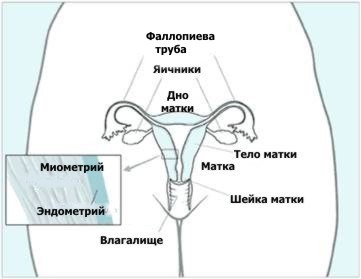
 Согласно результатам исследования, в ходе которого были проанализированы 1,5 миллиона родов в Швеции, беременные женщины, страдающие от лишнего веса или ожирения, чаще рожают преждевременно, а риск выкидышей повышается с увеличением лишнего веса.
 Согласно исследованию, проведенному специалистами из университета Дарема и Ланкастера в Великобритании, будущие младенцы практикуются в выражении эмоций еще в утробе матери.
 Согласно результатам исследования, проведенного в Великобритании, у беременных, рацион которых был богат