Just like the skin, the fingernails tell a lot about your health:
· Beau's lines are depressions across the fingernail. These lines can occur after illness, injury to the nail, eczema around the nail, during chemotherapy for cancer, or when you do not get enough nutrition.
· Brittle nails are often a normal result of aging. They can also be due to certain diseases and conditions.
· Koilonychia is an abnormal shape of the fingernail. The nail has raised ridges and is thin and curved inward. This disorder is associated with iron deficiency anemia.
· Leukonychia is white streaks or spots on the nails.
· Pitting is the presence of small depressions on the nail surface. Sometimes the nail is also crumbling. The nail can become loose and sometimes falls off. Pitting is associated with psoriasis and alopecia areata.
· Ridges are tiny, raised lines that develop across or up and down the nail.
· Crushing the base of the nail or the nail bed may cause a permanent deformity.
· Chronic picking or rubbing of the skin behind the nail can cause median nail dystrophy, which gives a lengthwise split or ridged appearance of the thumbnails.
· Long-term exposure to moisture or nail polish can cause nails to peel and become brittle.
Infection:
· Fungus or yeast cause changes in the color, texture, and shape of the nails.
· Bacterial infection may cause a change in nail color or painful areas of infection under the nail or in the surrounding skin. Severe infections may cause nail loss.
· Viral warts may cause a change in the shape of the nail or ingrown skin under the nail.
· Certain infections (especially of the heart valve) may cause red streaks in the nail bed (splinter hemorrhages).
Diseases:
· Disorders that affect the amount of oxygen in the blood (such as heart problems and lung diseases including cancer or infection) may cause clubbing.
· Kidney disease can cause a build-up of nitrogen waste products in the blood, which can damage nails.
· Thyroid diseases such as hyperthyroidism or hypothyroidism may cause brittle nails or splitting of the nail bed from the nail plate (onycholysis).
· Severe illness or surgery may cause horizontal depressions in the nails (Beau's lines).
· Psoriasis may cause pitting, splitting of the nail plate from the nail bed, and chronic (long-term) destruction of the nail plate (nail dystrophy).
· Other conditions that can affect the appearance of the nails include systemic amyloidosis, malnutrition, vitamin deficiency, and lichen planus.
· Skin cancers near the nail and fingertip can distort the nail. Subungal melanoma is a potentially deadly cancer that will normally appear as a dark streak down the length of the nail.
· Hutchinson sign is a darkening of the cuticle associated with a pigmented streak and may be a sign of an aggressive melanoma.
Poisons:
· Arsenic poisoning may cause white lines and horizontal ridges.
· Silver intake can cause a blue nail.
Medicines:
· Certain antibiotics can cause lifting of the nail from the nail bed.
· Chemotherapy medicines can affect nail growth.
Normal aging affects the growth and development of the nails.
The provider will look at your nails and ask about your symptoms. Questions may include whether you injured your nail, if your nails are constantly exposed to moisture, or whether you are always picking at your nails.
Tests that may be ordered include x-rays, blood tests, or examination of parts of the nail or the nail matrix in the laboratory.
· DO NOT bite, pick, or tear at your nails (in severe cases, some people may need counseling or encouragement to stop these behaviors).
· Keep hangnails clipped.
· Wear shoes that do not squeeze the toes together, and always cut the nails straight across along the top.
· To prevent brittle nails, keep the nails short and do not use nail polish. Use an emollient (skin softening) cream after washing or bathing.
· Bring your own manicure tools to nail salons and DO NOT allow the manicurist to work on your cuticles.
Using the vitamin biotin in high doses and clear nail polish that contains protein can help strengthen your nails. Ask your provider about medicines that help with abnormal-appearing nails. If you have a nail infection, you may be prescribed antifungal or antibacterial drugs.
Germs live everywhere. You can find germs (microbes) in the air; on food, plants and animals; in soil and water — on just about every other surface, including your body.
Most germs won't harm you. Your immune system protects you against infectious agents. However, some germs are formidable adversaries because they're constantly mutating to breach your immune system's defenses. Knowing how germs work can increase your chances of avoiding infection.
Infectious agents come in a variety of shapes and sizes. Categories include:
Bacteria
Viruses
Fungi
Protozoa
Helminths
Bacteria
Bacteria are one-celled organisms visible only with a microscope. They're so small that if you lined up a thousand of them end to end, they could fit across the end of a pencil eraser.
Not all bacteria are harmful, and some bacteria that live in your body are helpful. For instance, Lactobacillus acidophilus — a harmless bacterium that resides in your intestines — helps you digest food, destroys some disease-causing organisms and provides nutrients.
Many disease-causing bacteria produce toxins — powerful chemicals that damage cells and make you ill. Bacteria cause diseases such as:
Strep throat
Tuberculosis
Urinary tract infections
Viruses
Viruses are much smaller than cells. In fact, viruses are basically just capsules that contain genetic material. To reproduce, viruses invade cells in your body, hijacking the machinery that makes cells work. Host cells are often eventually destroyed during this process.
Viruses are responsible for causing numerous diseases, including:
AIDS
Common cold
Ebola hemorrhagic fever
Genital herpes
Influenza
Measles
Chickenpox and shingles
Antibiotics have no effect on viruses.
Fungi
There are many varieties of fungi, and we eat quite a few of them. Mushrooms are fungi, as is the mold that forms the blue or green veins in some types of cheese. And yeast, another type of fungus, is a necessary ingredient in most types of bread.
Other fungi can cause illness. One example is candida — a yeast that can cause infection. Candida can cause thrush — an infection of the mouth and throat — in infants and in people taking antibiotics or who have an impaired immune system. Fungi are also responsible for skin conditions such as athlete's foot and ringworm.
Protozoa
Protozoa are single-celled organisms that behave like tiny animals — hunting and gathering other microbes for food. Many protozoa call your intestinal tract home and are harmless. Others cause diseases, such as:
Giardia
Malaria
Toxoplasmosis
Protozoa often spend part of their life cycle outside of humans or other hosts, living in food, soil, water or insects. Some protozoa invade your body through the food you eat or the water you drink. Others, such as malaria, are transmitted by mosquitoes.
Helminths
Helminths are among the larger parasites. The word "helminth" comes from the Greek for "worm." If this parasite — or its eggs — enters your body, it takes up residence in your intestinal tract, lungs, liver, skin or brain, where it lives off your body's nutrients. Helminths include tapeworms and roundworms.
There's a difference between infection and disease. Infection, often the first step, occurs when bacteria, viruses or other microbes that cause disease enter your body and begin to multiply. Disease occurs when the cells in your body are damaged — as a result of the infection — and signs and symptoms of an illness appear.
In response to infection, your immune system springs into action. An army of white blood cells, antibodies and other mechanisms goes to work to rid your body of whatever is causing the infection. For instance, in fighting off the common cold, your body might react with fever, coughing and sneezing.
What's the best way to stay disease-free? Prevent infections. You can prevent infection through simple tactics, such as washing your hands regularly, being careful with food and water, getting vaccinations, and taking appropriate medications.
Hand-washing. Often overlooked, hand-washing is one of the easiest and most effective ways to protect yourself from germs and most infections. Wash your hands thoroughly before preparing or eating food, after coughing or sneezing, after changing a diaper, and after using the toilet. When soap and water aren't available, alcohol-based hand-sanitizing gels can offer protection.
Vaccines. Vaccination is your best line of defense for certain diseases. As researchers understand more about what causes disease, the list of vaccine-preventable diseases continues to grow. Many vaccines are given in childhood, but adults still need to be routinely vaccinated to prevent some illnesses, such as tetanus and influenza.
Medicines. Some medicines offer short-term protection from particular germs. For example, taking an anti-parasitic medication might keep you from contracting malaria if you travel to or live in a high-risk area.
Seek medical care if you suspect that you have an infection and you have experienced any of the following:
An animal or human bite
Difficulty breathing
A cough lasting longer than a week
Periods of rapid heartbeat
A rash, especially if it's accompanied by a fever
Swelling
Blurred vision or other difficulty seeing
Persistent vomiting
An unusual or severe headache
Your doctor can perform diagnostic tests to find out if you're infected, the seriousness of the infection and how best to treat that infection.
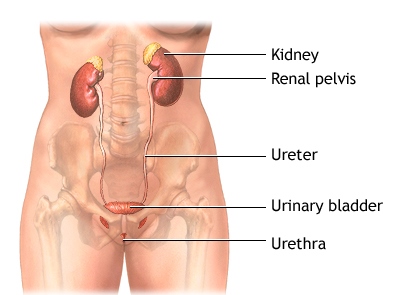
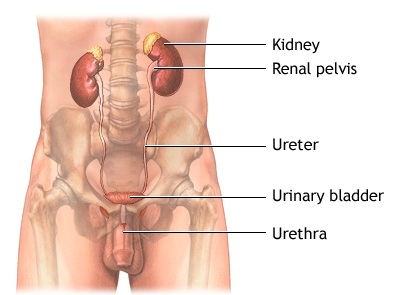
The urinary system is the body's drainage system for removing wastes and extra water. It includes two kidneys, two ureters, a bladder, and a urethra. Urinary tract infections (UTIs) such as cystitis and urethritis are the second most common type of infection in the body.
Female urinary tract
Male urinary tract
You may have a UTI if you notice
Pain or burning when you urinate
Fever, tiredness or shakiness
An urge to urinate often
Pressure in your lower belly
Urine that smells bad or looks cloudy or reddish
Pain in your back or side below the ribs
People of any age or sex can get UTIs. But about four times as many women get UTIs as men. You're also at higher risk if you have diabetes, need a tube to drain your bladder, or have a spinal cord injury.
If you think you have a UTI it is important to see your doctor. Your doctor can tell if you have a UTI with a urine test. Treatment is with antibiotics.
Американские ученые выдвинули теорию о том, что микробы и грибковые культуры – являются одним из главных секретов неповторимого вкуса высококлассных вин.
У французских виноделов есть специальный термин - терруар, который обозначает совокупность почве
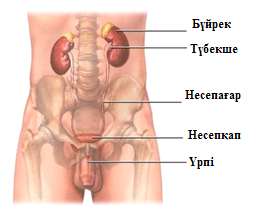
Несеп шығару жолдарының жүйесі – организмнен алмасу заттектері және артық сұйықтық шығарылатын жүйе. Несеп шығару жүйесіне жататындар: бүйректер, несепағарлар, несепқап және үрпі. Несеп шығару жолдарының инфекциясы (НШЖИ), мысалы, цистит және уретрит, организмнің инфекцияларының ішінде кездесу жиілігі бойынша екінші орында.
Әйелдердің несеп-жыныс жүйесі Ерлердің несеп-жыныс жүйесі
Симптомдары
НШЖИ келесі симптомдармен сипатталады:
Несеп шығару кезіндегі ауырсыну және күйдіру
Қызба, шаршау немесе тершеңдік
Несепті жиі шығарғысы келу
Іштің төменгі бөлігіндегі ауырлық сезімі
Несептің сасықтығы, тұнба немесе түсінің қызылдау болуы
Арқадағы немесе қабырға астындағы ауырсыну
Кез келген жастағы адам НШЖИ ауруларына шалдығуы мүмкін. Бірақ, әйелдер ерлерден төрт еседей жиі ауырады. Сондай-ақ, диабет, жұлынның зақымы, немесе несеп катетері болғанда аурудың жоғары қаупі орын алады.
Дәрігерге қашан көріну қажет
Егер НШЖИ барына күмәніңіз болса, дәрігерге көріну қажет. Диагнозды растау үшін дәрігер несеп талдауларын зерттеуі қажет.
Емдеу
НШЖИ емдеу үшін бактерияға қарсы препараттар тағайындалады.
Бұл сайтта берілген ақпарат Сізді қызықтыратын мәселемен жалпы танысуға арналғандықтан ауруларды немесе денсаулыққа байланысты қандай да бір мәселелерді анықтау және емдеу үшін қорытынды негіздеме болмайды.
Шұғыл жағдайларда «Жедел жәрдем» қызметіне хабарласыңыз.
Согласно проведенному канадскими врачами исследованию, употребление полезных для организма бактерий пробиотиков помогает предотвратить диарею, вызванную трудными для лечения инфекциями, которые возникли из-за приема
Каждая двенадцатая банковская платежная карточка содержит частички фекалий и опасные бактерии. Подобные шокирующие факты стали известны благодаря исследованию, проведенному в Великобритании.
Small, interesting, shiny objects are likely to attract children's attention and could easily become foreign bodies.
Young children commonly swallow food (meats, nuts, seeds, candy, fruit pits, and popcorn). Coins, marbles, safety pins, buttons, crayon pieces, erasers, paper wads, rocks, and beads are also risks.
Small batteries are easily swallowed. They are dangerous because they are toxic.
Toothpicks and razors are also dangerous.
Small toy parts, such as screws, eyes, noses, and other pieces that could be taken apart are dangerous.
If your child has swallowed a battery, call the doctor immediately.
If you know your child has swallowed something, look for signs of discomfort.
If your child has trouble breathing, speaking, swallowing, or crying, call the doctor immediately. Call the doctor if he is spitting up, drooling, vomiting, or if he has chest or stomach pain.
Take your child to the emergency room if the discomfort is severe.
If your child has discomfort after swallowing a coin, take him to the emergency room. If he seems to feel fine, watch him closely for a few days and check stools for the coin.
Usually when children swallow things (even sharp objects such as pins and glass), they pass through the body without any harm.
Check your child's stools to see if the object has passed.
Do not give him laxatives or extra fiber.
If the object hasn't passed in a few days, call the doctor.
If your child has tried to swallow something and it gets stuck in his throat, it could be blocking his airway.
If your child's airway is partially blocked, he will probably cough, wheeze, or have trouble breathing. Call emergency or go to the emergency room immediately.
If this passes, watch the child closely for a few days and look for signs of a respiratory infection (such as fever or occasional cough).
You may not know that your child has something stuck in his airway until an infection or inflammation develops later.
If the airway if completely blocked, your child will not be able to breathe.
Call the doctor if you think your child has something stuck in his throat.
Call emergency if the object is causing breathing difficulty. If the child is awake and breathing, watch closely until help arrives. If the child is unconscious or cannot breathe, try rescue breathing, the Heimlich maneuver, back blows, or abdominal thrusts if you know how to do them.
Do not force a food, drink, or your finger down your child's throat.
Do not blindly sweep a finger in the mouth as you can push the object back down.
An object stuck in the nose can cause irritation, infection, or difficulty breathing.
Do not try to remove an object that you can't see or easily grab. If you try this, it is likely you will push the object further into the nose.
Do not use tweezers, cotton swabs, or other small tools to remove the object.
Have the child breathe through his mouth, not nose. Have him breathe gently.
If you can do it easily and safely, find out which nostril the object is stuck in. Plug the other nostril and have the child gently blow through the nostril where the object is stuck. Do not let child blow too hard or too many times.
Call the doctor if this doesn't work or if the object is not easy to remove.
Call the doctor if you think your child's nose could be irritated or infected after the object is removed.
Keep small, interesting, shiny objects out of children's reach.
Do not give children peanuts, popcorn, or gum until age 7 as they are choking hazards until that time.
Cut food into small pieces that children can easily chew. Cut meat and whole grapes into small pieces, cut hot dogs into small sticks (not round pieces). Do not give gum or hard candy until about age 7 as they are choking hazards until that time.
Store batteries and throw out old ones in a place where children can't reach them.
Read labels on toys and follow the guidelines for how old a child should be to play with the toy. Children under 3 years old should not play with toys that have small parts.
Inspect your child's toys often. Look for loose and broken pieces. Throw the toys out if they are damaged.
Teach children not to put things into body openings.
Do not force children to eat if they are crying or breathing fast.
To prevent choking, do not let children play, laugh, or talk while they are eating.


 Американские ученые выдвинули теорию о том, что микробы и грибковые культуры – являются одним из главных секретов неповторимого вкуса высококлассных вин.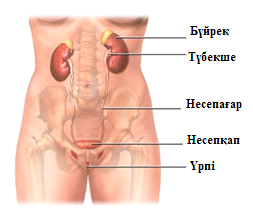
 Согласно проведенному канадскими врачами исследованию, употребление полезных для организма бактерий пробиотиков помогает предотвратить диарею, вызванную трудными для лечения инфекциями, которые возникли из-за приема
  Каждая двенадцатая банковская платежная карточка содержит частички фекалий и опасные бактерии. Подобные шокирующие факты стали известны благодаря исследованию, проведенному в Великобритании.