Sciatica refers to pain, weakness, numbness, or tingling in the leg. It is caused by injury to or pressure on the sciatic nerve. Sciatica is a symptom of another medical problem. It is not a medical condition on its own.
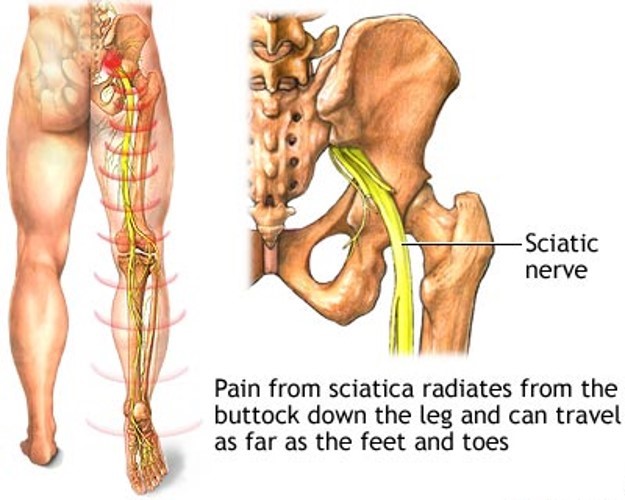
Sciatica occurs when there is pressure or damage to the sciatic nerve. This nerve starts in the lower back and runs down the back of each leg. This nerve controls the muscles of the back of the knee and lower leg. It also provides sensation to the back of the thigh, part of the lower leg, and the sole of the foot.
Sciatica pain can vary widely. It may feel like a mild tingling, dull ache, or burning sensation. In some cases, the pain is severe enough to make a person unable to move.
The pain most often occurs on one side. Some people have sharp pain in one part of the leg or hip and numbness in other parts. The pain or numbness may also be felt on the back of the calf or on the sole of the foot. The affected leg may feel weak. Sometimes, your foot gets caught on the ground when walking.
The pain often starts slowly. It may get worse:
· After standing or sitting
· At night
· When sneezing, coughing, or laughing
· When bending backward or walking more than a few yards, especially if caused by spinal stenosis
Because sciatica is a symptom of another medical condition, the underlying cause should be identified and treated.
In some cases, no treatment is required and recovery occurs on its own.
Conservative (non-surgical) treatment is best in many cases. Your doctor may recommend the following steps to calm your symptoms and reduce inflammation:
· Apply heat or ice to the painful area. Try ice for the first 48 to 72 hours, then use heat.
· Take over-the-counter pain relievers such as ibuprofen (Advil, Motrin IB) or acetaminophen (Tylenol).
· Reduce your activity for the first couple of days. Then, slowly start your usual activities.
· Do not do heavy lifting or twisting of your back for the first 6 weeks after the pain begins.
· Start exercising again after 2 to 3 weeks. Include exercises to strengthen your abdomen and improve flexibility of your spine.
Physical therapy may also be recommended. Additional treatments depend on the condition that is causing the sciatica.
If these measures do not help, your doctor may recommend injections of certain medicines to reduce swelling around the nerve. Other medicines may be prescribed to help reduce the stabbing pains due to nerve irritation.
Nerve pain is very difficult to treat. If you have ongoing problems with pain, you may want to see a neurologist or a pain specialist to ensure that you have access to the widest range of treatment options.
More serious complications depend on the cause of sciatica, such as slipped disc or spinal stenosis. Sciatica can lead to permanent numbness or weakness of your leg.
A tumor that is not cancer. It starts in gland-like cells of the epithelial tissue (thin layer of tissue that covers organs, glands, and other structures within the body).
Несептің жүрмеуі – несепқапта несеп болғанымен, оны шығаруға қабілеттің болмауы. Несептің жүрмеуінде несеп шығаруды бастай алмайсыз немесе несепқапты толығымен босата алмайсыз.
Несептің өндірілуі
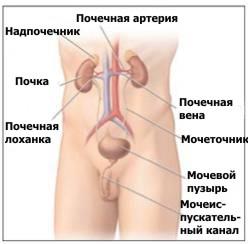
Несеп бүйректе өндіріледі және несепағар арқылы несепқапқа түсіп, жинақталады. Несеп қап – қуыс, бұлшық еттік ағза, несеп шығару каналы (несепқапты сыртқы ортамен жалғайтын түтік) арқылы шығарылғанға дейін несептің жинақтауышы болады.
Несептің жүрмеуінің екі негізгі себебі бар: обструктивті және обструктивті емес. Обструкция - кедергі болуында (мысалы, бүйректегі тас) несеп - несеп шығару жолымен еркін жылжи алмайды. Несептің обструктивті емес жүрмеуі несепқаптың бұлшық етінің әлсіздігінде және жұлыннан несепқапқа сигнал беруге жауапты нервтердің зақымдануында пайда болуы мүмкін. Егер бұл нервтер дұрыс жұмыс істемейтін болса, ми несепқаптың толықтығы туралы ақпарат алмайды.
Несептің обструктивті емес жүрмеуінің пайда болуының жиі себептері:
Инсульт
Табиғи босану жолдары арқылы босану
Жамбас қуысының жарақаты
Кейбір дәрілерді қабылдаудан немесе анестезиядан кейін бұлшық еттердің немесе нервтердің қызметінің бұзылысы
Мидың немесе жұлынның зақымдануымен сәтсіздік оқиғалары
Несептің обструктивті емес жүрмеуі байланысты болуы мүмкін:
В последнее время предсказание клинических результатов лечения онкологических пациентов на основании экспрессии маркерных генов в образцах опухолей таких пациентов получило широкое распространение.
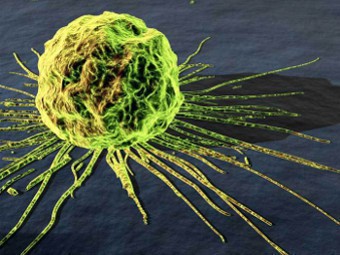
Пациенты страдающие раком могут ощущать как что-то чужеродное живет в их телах и лишает их сил и здоровья. По словам одного клеточного биолога, это именно так. Формирование рака, на самом деле, есть эволюция новых видов паразитов.
Urinary retention is defined as the inability to completely or partially empty the bladder. Suffering from urinary retention means you may be unable to start urination, or if you are able to start, you can’t fully empty your bladder.
Symptoms of urinary retention may include:
Difficulty starting to urinate
Difficulty fully emptying the bladder
Weak dribble or stream of urine
Loss of small amounts of urine during the day
Inability to feel when bladder is full
Increased abdominal pressure
Lack of urge to urinate
Strained efforts to push urine out of the bladder
Frequent urination
Nocturia (waking up more than two times at night to urinate)
Causes
There are two general types of urinary retention: obstructive and non-obstructive. If there is an obstruction (for example, kidney stones), urine cannot flow freely through the urinary track. Non-obstructive causes include a weak bladder muscle and nerve problems that interfere with signals between the brain and the bladder. If the nerves aren’t working properly, the brain may not get the message that the bladder is full.
Some of the most common causes of non-obstructive urinary retention are:
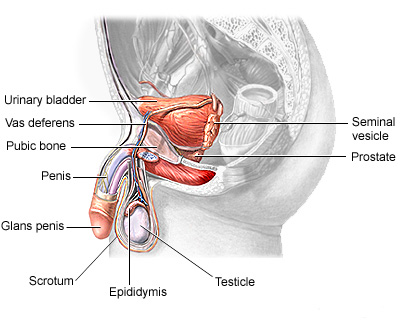
Testicular cancer is the most common cancer in men between the ages of 15 and 35. It can occur in older men, and in rare cases, in younger boys.
White men are more likely than African American and Asian American men to develop this type of cancer.
There is no link between vasectomy and testicular cancer.
There are two main types of testicular cancer, seminomas and nonseminomas. These cancers grow from germ cells, the cells that make sperm.
Seminoma: This is a slow-growing form of testicular cancer usually found in men in their 30s and 40s. The cancer is usually just in the testes, but it can spread to the lymph nodes. Seminomas are very sensitive to radiation therapy.
Nonseminoma: This more common type of testicular cancer tends to grow more quickly than seminomas.
Nonseminoma tumors are often made up of more than one type of cell, and are identified according to these different cell types:
Choriocarcinoma (rare)
Embryonal carcinoma
Teratoma
Yolk sac tumor
A stromal tumor is a rare type of testicular tumor. They are usually not cancerous. The two main types of stromal tumors are Leydig cell tumors and Sertoli cell tumors. Stromal tumors usually occur during childhood.
There may be no symptoms. If there are symptoms, they may include:
Discomfort or pain in the testicle, or a feeling of heaviness in the scrotum
Pain in the back or lower abdomen
Enlarged testicle or a change in the way it feels
Excess amount of breast tissue (gynecomastia), however this can occur normally in adolescent boys who do not have testicular cancer
Lump or swelling in either testicle
Symptoms in other parts of the body, such as the lungs, abdomen, pelvis, back, or brain, may also occur if the cancer has spread outside the testicles.
A physical examination typically reveals a firm lump (mass) in one of the testicles. When the health care provider holds a flashlight up to the scrotum, the light does not pass through the lump.
Once cancer is found, the first step is to determine the type of cancer cell by examining it under a microscope. The cells can be seminoma, nonseminoma, or both.
The next step is to determine how far the cancer has spread to other parts of the body. This is called "staging."
Stage I cancer has not spread beyond the testicle.
Stage II cancer has spread to lymph nodes in the abdomen.
Stage III cancer has spread beyond the lymph nodes (it could be as far as the liver, lungs, or brain).
Three types of treatment can be used.
Surgical treatment removes the testicle (orchiectomy) and may also remove nearby lymph nodes (lymphadenectomy). This is usually performed in the case of both seminoma and nonseminomas.
Radiation therapy using high-dose x-rays or other high-energy rays may be used after surgery to prevent the tumor from returning. Radiation therapy is usually only used for treating seminomas.
Chemotherapy uses drugs to kill cancer cells. This treatment has greatly improved survival for patients with both seminomas and nonseminomas.
Testicular cancer is one of the most treatable and curable cancers.
The survival rate for men with early-stage seminoma (the least aggressive type of testicular cancer) is greater than 95%. The disease-free survival rate for Stage II and III cancers is slightly lower, depending on the size of the tumor and when treatment is begun.
Performing a testicular self-examination (TSE) each month may help detect testicular cancer at an early stage, before it spreads. Finding testicular cancer early is important to successful treatment and survival.
The most common causes of meningitis are viral infections that usually get better without treatment. However, bacterial meningitis infections are extremely serious, and may result in death or brain damage, even if treated.
Meningitis may also be caused by:
Chemical irritation
Drug allergies
Fungi
Parasites
Tumors
Most viral meningitis is due to enteroviruses, which are viruses that also can cause intestinal illness.
Many other types of viruses can cause meningitis.
Viral meningitis can be caused by herpes viruses, the same virus that can cause cold sores and genital herpes . However, people with cold sores or genital herpes are not at a greater risk of developing herpes meningitis.
Viruses that cause mumps and HIV can cause aseptic meningitis.
Viral meningitis occurs more often than bacterial meningitis, and is milder. It usually occurs in the late summer and early fall. It most often affects children and adults under age 30.
Bacteria meningitis is an emergency. You will need immediate treatment in a hospital. Symptoms usually come on quickly, and may include:
Unusual posture, with the head and neck arched backwards (opisthotonos)
Meningitis is an important cause of fever in children and newborns.
You cannot tell if you have bacterial or viral meningitis by how they feel. Your health care provider must do this. Seek prompt attention if you have symptoms of meningitis.
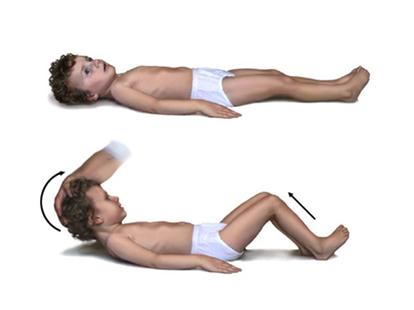
One of the physically demonstrable symptoms of meningitis is Brudzinski's sign. Severe neck stiffness causes a patient's hips and knees to flex when the neck is flexed.
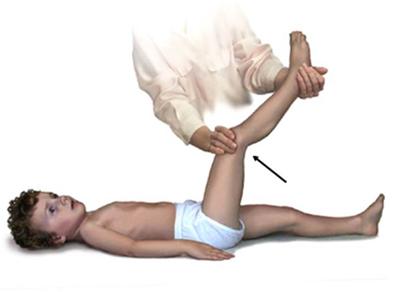
One of the physically demonstrable symptoms of meningitis is Kernig's sign. Severe stiffness of the hamstrings causes an inability to straighten the leg when the hip is flexed to 90 degrees.
If the health care provider thinks you have meningitis, a lumbar puncture (spinal tap) should be done to remove a sample of spinal fluid (cerebrospinal fluid, or CSF) for testing.
Antibiotics are used to treat bacterial meningitis. The specific type depends on which bacteria is causing the infection. Antibiotics do not treat viral meningitis.
Antiviral medicine may be given to those with herpes meningitis.
Other treatments will include:
Fluids through a vein (IV)
Medicines to treat symptoms such as brain swelling, shock, and seizures
Early diagnosis and treatment of bacterial meningitis is essential to prevent permanent neurological damage. Viral meningitis is usually not serious, and symptoms should disappear within 2 weeks with no lasting complications.
Certain vaccines can help prevent some types of meningitis.
Haemophilus vaccine (HiB vaccine) in children helps prevent one type of bacterial meningitis.
The pneumococcal conjugate vaccine is now a routine childhood immunization. It is very effective at preventing pneumococcal meningitis.
Household members and others in close contact with people who have meningococcal meningitis should receive antibiotics to prevent becoming infected.
The meningococcal vaccination is recommended for:
Adolescents ages 11 - 12 and adolescents entering high school (about age 15) who have not already received the vaccination. A booster shot is given between age 16-18.
All college freshmen who have not been vaccinated and are living in dorms.
Children age 2 and older who do not have their spleen or who have other problems with their immune system.
Those traveling to countries where diseases caused by meningococcus are very common (ask your doctor).


 Пациенты страдающие