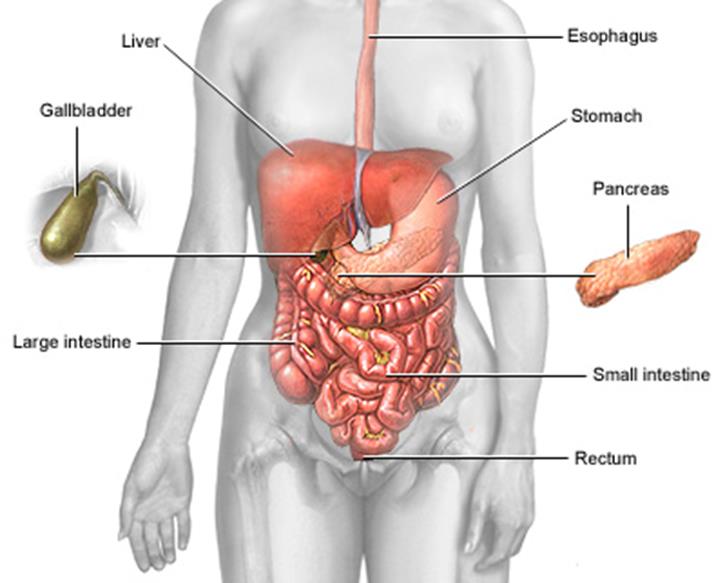
Gastroenteritis is an inflammation of the lining of the intestines caused by a virus, bacteria or parasites. Viral gastroenteritis is the second most common illness in many countries. The cause is often a norovirus infection. It spreads through contaminated food or water, and contact with an infected person. The best prevention is frequent hand washing.
Organs of digestive tract
Symptoms of gastroenteritis include diarrhea, abdominal pain, vomiting, headache, fever and chills. Most people recover with no treatment.
The most common problem with gastroenteritis is dehydration. This happens if you do not drink enough fluids to replace what you lose through vomiting and diarrhea. Dehydration is most common in babies, young children, the elderly and people with weak immune systems.
Parainfluenza refers to a group of viruses that lead to upper and lower respiratory infections.
Causes
There are four types of parainfluenza virus, all of which can cause upper respiratory infections or lower respiratory infections (pneumonia) in adults and children. The virus can cause croup, bronchiolitis, bronchitis and certain types of pneumonia.
The exact number of cases of parainfluenza is unknown but suspected to be very high. Sometimes the viruses cause only a runny nose and other symptoms that may be diagnosed as a simple cold rather than parainfluenza.
Infections are most common in fall and winter. Parainfluenza infections are most severe in infants and become less severe with age. By school age, most children have been exposed to parainfluenza virus. Most adults have antibodies against parainfluenza although they can get repeat infections.
Symptoms
Symptoms vary depending on the type of infection. Cold-like symptoms consisting of a runny nose and mild cough are common. Life-threatening respiratory symptoms can be seen in young infants with bronchiolitis and those with weakened immune systems.
A physical exam may show sinus tenderness, swollen glands, and a red throat. The doctor will listen to the lungs and chest with a stethoscope. Abnormal sounds, such as crackling or wheezing, may be heard.
Tests that may be done include:
Arterial blood gases
Chest x-ray
CT scan of the chest
Complete blood count (CBC)
Swab of nose for rapid viral test
Treatment
There is no specific treatment for the viral infection. Specific treatments are available for the symptoms of croup and bronchiolitis to make breathing easier.
Outlook (Prognosis)
Most infections in adults and older children are mild and recovery takes place without treatment, unless the person is very old or has an abnormal immune system. Medical intervention may be necessary if breathing difficulties develop.
Possible Complications
Secondary bacterial infections are the most common complication. Airway obstruction in croup and bronchiolitis can be severe, even life-threatening.
When to Contact a Medical Professional
Call your health care provider if you or your child develops croup, wheezing or any other type of breathing difficulty. Contact your health care provider if a child under 18 months develops any type of upper respiratory symptoms.
Prevention
There are no vaccines available for parainfluenza. Avoiding crowds to limit exposure during peak outbreaks may decrease the likelihood of infection.
Limiting exposure to daycare centers and nurseries may delay infection until the child is older.