.

itching of the eye | zdrav.kz
X

Электрондық поштаңызға соңғы жаңалықтарды алыңыз

X

Получайте самые последние новости на свой e-mail

itching of the eye

Contents

Causes

Symptoms

Exams and Tests

Treatment

Other helpful steps

Outlook (Prognosis)

Possible Complications

When to Contact a Medical Professional

Prevention


Tears are needed to lubricate the eyes and to wash away particles and foreign objects. A healthy tear film on the eye is necessary for good vision.

Dry eyes develop when the eye is unable to maintain a healthy coating of tears


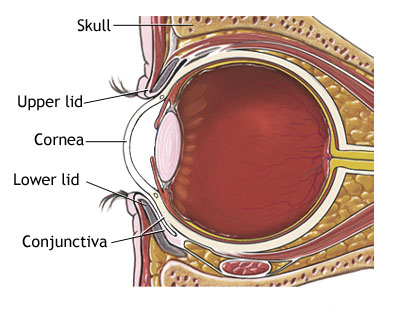
The cornea is the clear layer covering the front of the eye. The cornea works with the lens of the eye to focus images on the retina.

Causes

 Dry eye usually occurs in people who are otherwise healthy. It becomes more common with age. This can occur due to hormonal changes that make your eyes produce fewer tears.

Other common causes of dry eyes include:

  • Dry environment or workplace (wind, air conditioning)
  • Sun exposure
  • Smoking or second-hand smoke exposure
  • Cold or allergy medicines

Dry eye can also be caused by:

  • Heat or chemical burns
  • Previous eye surgery
  • A rare autoimmune disorder in which the glands that produce tears are destroyed (Sjogren syndrome)

Symptoms

 Symptoms may include:

  • Blurred vision
  • Burning, itching, or redness in the eye
  • Gritty or scratchy feeling in the eye
  • Sensitivity to light

Exams and Tests

Tests may include:

  • Visual acuity measurement
  • Slit lamp exam
  • Diagnostic staining of the cornea and tear film
  • Measurement of tear film break-up time (TBUT)
  • Measurement of rate of tear production (Schirmer's test)
  • Measurement of concentration of tears (osmolalilty)

Treatment

The first step in treatment is artificial tears. These come as preserved (screw cap bottle) and unpreserved (twist open vial). Preserved tears are more bottle) convenient, but some people are sensitive to preservatives. There are many brands available without a prescription.

Start using the drops at least 2-4 times per day. If your symptoms are not better after a couple of weeks of regular use:

  • Increase use (up to every 2 hours)
  • Try a different brand
  • Talk to your health care provider if you can’t find a brand that works for you

Other medical treatments may include:

  • Fish oil 2-3 times per day
  • Glasses, goggles or contact lenses that keep moisture in the eyes
  • Medicines such as Restasis, topical corticosteroids, and oral tetracycline and doxycycline
  • Tiny plugs placed in the tear drainage ducts to moisture stay on the surface of the eye longer

Other helpful steps include:

  • Don't smoke and avoid second-hand smoke, direct wind, and air conditioning.
  • Use a humidifier, especially in the winter.
  • Limit allergy and cold medicines that may dry you out and worsen your symptoms.
  • Purposefully blink more often. Rest your eyes once in a while.
  • Clean eyelashes regularly and apply and warm compresses.

Some dry eye symptoms are due to sleeping with the eyes slightly open. Lubricating ointments work best for this problem. You should use them only in small amounts since they can blur your vision. It is best to use them before sleep.

Surgery may be helpful if symptoms are because the eyelids are in an abnormal position.

Outlook (Prognosis)

Most people with dry eye have only discomfort, and no vision loss.

Possible Complications

In severe cases, the clear covering on the eye (cornea) may be come damaged or infected.

When to Contact a Medical Professional

Call health care provider immediately if:

  • You have red or painful eyes.
  • You have flaking, discharge, or a sore on your eye or eyelid.
  • You have had an injury to your eye, or if you have a bulging eye or a drooping eyelid.
  • You have joint pain, swelling, or stiffness and a dry mouth along with dry eye symptoms.
  • Your eyes do not get better with self-care within a few days.

Prevention

Stay away from dry environments and things that irritate your eyes to help prevent symptoms.

Source: http://www.nlm.nih.gov/medlineplus/ency/article/000426.htm

Contents

General Information

Causes

Symptoms

Exams and Tests

Treatment

Outlook (Prognosis)

Possible Complications

When to Contact a Medical Professional

Prevention

Alternative Names


General Information

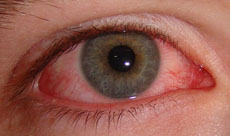
Conjunctivitis is swelling (inflammation) or infection of the membrane lining the eyelids (conjunctiva).

Causes

The conjunctiva is exposed to bacteria and other irritants. Tears help protect the conjunctiva by washing away bacteria. Tears also contain proteins and antibodies that kill bacteria.

There are many causes of conjunctivitis. Viruses are the most common cause. Viral conjuctivitis is referred to as "pink eye." Pink eye can spread easily among children.

Other causes include:

  • Allergies (allergic conjunctivitis)
  • Bacteria
  • Certain diseases
  • Chemical exposure
  • Chlamydia
  • Fungi
  • Parasites (rarely)
  • Use of contact lenses (especially extended-wear lenses)

Newborns can be infected by bacteria in the birth canal. This condition is called ophthalmia neonatorum, and it must be treated immediately to preserve eyesight.

Symptoms

Exams and Tests

  • Examination of the eyes
  • Swab of conjunctiva for analysis

Treatment

Treatment of conjunctivitis depends on the cause.

Allergic conjunctivitis may respond to allergy treatment. It may disappear on its own when you avoid your allergy triggers. Cool compresses may help soothe allergic conjunctivitis.

Antibiotic medication, usually eye drops, is effective for bacterial conjunctivitis. Viral conjunctivitis will disappear on its own. Many doctors give a mild antibiotic eyedrops for pink eye to prevent bacterial conjunctivitis.

You can soothe the discomfort of viral or bacterial conjunctivitis by applying warm compresses (clean cloths soaked in warm water) to your closed eyes.

Outlook (Prognosis)

The outcome is usually good with treatment.

Possible Complications

Reinfection within a household or school may occur if you don't follow preventive measures.

When to Contact a Medical Professional

Call for an appointment with your health care provider if your symptoms last longer than 3 or 4 days.

Prevention

Good hygiene can help prevent the spread of conjunctivitis:

  • Change pillowcases frequently.
  • Do not share eye cosmetics.
  • Do not share towels or handkerchiefs.
  • Handle and clean contact lenses properly.
  • Keep hands away from the eye.
  • Replace eye cosmetics regularly.
  • Wash your hands often.

Alternative Names

Inflammation - conjunctiva; Pink eye