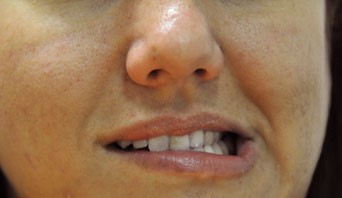
Бруксизм деп – адамның ұйқтап жатқан кезде тісін шықырлатуын атайды.Осының әсерінен тіс тегістеледі,үшкірленеді және тістің эмальы құртылып ауырсыну пайда болады.
Бурксизімнің себептері белгісіз,алайда мыналардың әсерінен болуы мүмкін:
· Стресстік жағдай,әлсіздік немесе ұйқының бұзылыстары
· Ауызды ашып жапқан кезде тістердің сәйкес келмеуі
· Алькогольдік өнімдерді және есірткіні пайдалану
· Адамның ішінде құрттардың болуы
· Психикалық бұзылыстар нәтижесінде
Егер тісті шықырлату ауырсынуды тудыратын болса онда стоматологқа қаралу керек. Себебі стоматолог науқасқа қандай ем қажет екенін тағайындайды.Тістің ары қарай зақымдалуын алдын алу үшін ауыз қуысын қорғайтын құрылғылар берілуі мүмкін.
Bruxism is the medical term for grinding the teeth and clenching the jaw.
People sometimes grind their teeth without it causing any symptoms or problems. But regular, persistent teeth grinding can cause jaw pain and discomfort and wear down your teeth. It can also cause headaches and earache.
Most cases of teeth grinding (nearly 80%) occur subconsciously during sleep. It's usually associated with contributing factors, such as stress or anxiety.
Bruxism also affects people when they're awake, although this is more likely to be clenching the teeth and jaw, rather than grinding their teeth. Most people do it subconsciously while concentrating or when they're in stressful situations.
Many people with bruxism find it will come and go. It's likely to be worse during stressful periods.
Bruxism almost always occurs in association with other factors. About 70% of bruxism cases that occur during sleep are thought be related to stress and anxiety.
There's also an association between bruxism and obstructive sleep apnoea (OSA). OSA is a sleep disorder where your breathing is interrupted during sleep. How bruxism and OSA affect each other isn't currently fully understood.
Your lifestyle can also have an effect. For example, regularly drinking alcohol, smoking and using recreational drugs such as ecstasy and cocaine increases your risk of bruxism.
Doctors sometimes refer to teeth grinding caused by an underlying condition as primary bruxism. Teeth grinding associated with a medication, condition or lifestyle factors is often known as secondary bruxism.
There are a number of possible treatments for teeth grinding, but only a few have been shown to be effective.
Behavioural therapies and the use of mouth guards or mouth splints can be effective in managing the symptoms associated with bruxism.
Mouth guards and mouth splints work in the same way by reducing the sensation of clenching or grinding teeth, and also help prevent any wear on the teeth.
Other treatments, such as muscle-relaxation exercises and sleep hygiene, may also help manage your symptoms.
If you grind your teeth while you're asleep, you may need to wear a mouth guard or mouth splint to protect your teeth from further damage.
If you have an anxiety or stress-related problem, a course of cognitive behavioural therapy (CBT) may be recommended. The aim of CBT is to help you manage your problems by changing the way you think and how you act.
It may be possible to break the habit of teeth grinding using habit-reversal techniques.
Teeth grinding affects more than six million people in the UK. But the severity of the symptoms and the frequency of grinding varies. It can occur in both children and adults, although it is most common in adults between the ages of 25 and 44.
Бруксизм – это бессознательное скрежетание зубами или стискивание зубов. Обычно он происходит вовремя сна. Во время этого процесса могут отточиться части зубов, оставив сплющенные, истертые острые края; разрушенную зубную эмаль и болезненные или болтающиеся зубы.
Хотя точная причина бруксизма не всегда ясна, его может вызвать:
Эмоциональный стресс, усталость или нарушения сна.
Неправильный прикус или искривленные или отсутствующие зубы.
Злоупотребление алкоголем или наркотиками.
Глистные инвазии.
Психоневротические состояния.
Если скрежетание вызывает травму зубов, обратитесь к стоматологу. Стоматолог определит, какое лечениеподходит для вас. Можно порекомендовать ротовое защитное устройство для защиты зубов от дальнейшего повреждения.