.

диета | zdrav.kz
X

Электрондық поштаңызға соңғы жаңалықтарды алыңыз

X

Получайте самые последние новости на свой e-mail

диета

Content

Causes

Symptoms

Exams and Tests

Treatment

Outlook (Prognosis)

Possible Complications

When to Contact a Medical Professional

Prevention


Malabsorption involves problems with the body's ability to take in nutrients from food.

Causes

Many diseases can cause malabsorption. Most often, malabsorption involves problems absorbing certain sugars, fats, proteins, or vitamins. It can also involve an overall problem with absorbing food.

Problems or damage to the small intestine that may lead to problems absorbing important nutrients. These include:

·       Celiac disease

·       Crohn disease

·       Damage from radiation treatments

·       Overgrowth of bacteria in the small bowel

·       Parasite or tapeworm infection

·       Surgery that removes all or part of the small intestine

Enzymes produced by the pancreas help absorb fats and other nutrients. A decrease of these enzymes makes it harder to absorb fats and certain nutrients. Problems with the pancreas may be caused by:

·       Cystic fibrosis

·       Infections or swelling of the pancreas

·       Trauma to the pancreas

·       Surgery to remove part of the pancreas

Some of the other causes of malabsorption include:

·       AIDS and HIV

·       Certain medicines (tetracycline, some antacids, some medicines used to treat obesity, colchicine, acarbose, phenytoin)

·       Gastrectomy and surgical treatments for obesity

·       Cholestasis

·       Chronic liver disease

·       Cow's milk protein intolerance

·       Soy milk protein intolerance

Symptoms

In children, current weight or rate of weight gain is often much lower than that of other children of similar age and gender. This is called failure to thrive. The child may not grow and develop normally.

Adults may also have failure to thrive, with weight loss, muscle wasting, weakness, and even problems thinking.

Changes in the stools are often present, but not always.

Changes in the stools may include:

·       Bloating, cramping, and gas

·       Bulky stools

·       Chronic diarrhea

·       Fatty stools (steatorrhea)

Exams and Tests

Your health care provider will do an exam. Tests that may be done include:

·       Blood and urine tests

·       CT scan of the abdomen

·       Hydrogen breath test

·       MR or CT enterography

·       Schilling test for vitamin B12 deficiency

·       Secretin stimulation test

·       Small bowel biopsy

·       Stool culture or culture of small intestine aspirate

·       Stool fat testing

·       X-rays of the small bowel or other imaging tests

Treatment

Treatment depends on the cause and is aimed at relieving symptoms and ensuring the body receives enough nutrients.

A high-calorie diet may be tried. It should supply:

·       Key vitamins and minerals, such as iron, folic acid, and vitamin B12

·       Enough carbohydrates, proteins, and fats

If needed, injections of some vitamins and minerals or special growth factors will be given. Those with damage to the pancreas may need to take pancreatic enzymes. Your provider will prescribe these if necessary.

Medicines to slow down the normal movement of the intestine can be tried. This may allow food to remain in the intestine longer

If the body is not able to absorb enough nutrients, total parenteral nutrition (TPN) is tried. It will help you or your child get nutrition from a special formula through a vein in the body. Your provider will select the right amount of calories and TPN solution. Sometimes, you can also eat and drink while getting nutrition from TPN.

Outlook (Prognosis)

The outlook depends on what is causing the malabsorption.

Possible Complications

Long-term malabsorption can result in:

·       Anemia

·       Gallstones

·       Kidney stones

·       Thin and weakened bones

When to Contact a Medical Professional

Call your provider if you have symptoms of malabsorption.

Prevention

Prevention depends on the condition causing malabsorption.


Source https://medlineplus.gov/ency/article/000299.htm

Although there's no evidence to suggest diet plays a role in Crohn's disease, some people have found certain foods aggravate their symptoms. It may be useful to keep a food diary to make a note of the foods you eat and to record the effects they have on your symptoms.

If you notice certain foods make your symptoms worse, avoiding these may reduce your symptoms. However, the total elimination of entire food types, such as grains or sugars, isn't usually recommended.

Some people find that eating six smaller meals a day, rather than three larger meals, improves their symptoms.


Source: http://www.nhs.uk/Conditions/Crohns-disease/Pages/Treatment.aspx


Contents

Causes

Home Care

When to Contact a Medical Professional

What to Expect at Your Office Visit


Itching is a tingling or irritation of the skin that makes you want to scratch the area. Itching may occur all over the body or only in one location.

Causes

There are many causes of itching, including:

·         Aging skin

·         Atopic dermatitis (eczema)

·         Contact dermatitis (poison ivy or poison oak)

·         Contact irritants (such as soaps, chemicals, or wool)

·         Dry skin

·         Hives

·         Insect bites and stings

·         Parasites such as pinwormbody licehead lice, and pubic lice

·         Pityriasis rosea

·         Psoriasis

·         Rashes (may or may not itch)

·         Seborrheic dermatitis

·         Sunburn

·         Superficial skin infections such as folliculitis and impetigo

Generalized itching may be caused by:

·         Allergic reactions

·         Childhood infections (such as chickenpox or measles)

·         Hepatitis

·         Iron deficiency anemia

·         Kidney disease

·         Liver disease with jaundice

·         Pregnancy

·         Reactions to medicines and substances such as antibiotics (penicillin, sulfonamides), gold, griseofulvin, isoniazid, opiates, phenothiazines, or vitamin A

Home Care

For itching that does not go away or is severe, see your health care provider.

In the meantime, you can take steps to help deal with the itch:

·         Do not scratch or rub the itchy areas. Keep fingernails short to avoid damaging the skin from scratching. Family members or friends may be able to help by calling attention to your scratching.

·         Wear cool, light, loose bedclothes. Avoid wearing rough clothing, such as wool, over an itchy area.

·         Take lukewarm baths using little soap and rinse thoroughly. Try a skin-soothing oatmeal or cornstarch bath.

·         Apply a soothing lotion after bathing to soften and cool the skin.

·         Use moisturizer on the skin, especially in the dry winter months. Dry skin is a common cause of itching.

·         Apply cold compresses to an itchy area.

·         Avoid prolonged exposure to excessive heat and humidity.

·         Do activities that distract you from the itching during the day and make you tired enough to sleep at night.

·         Try over-the-counter oral antihistamines such as diphenhydramine (Benadryl). Be aware of possible side effects such as drowsiness.

·         Try over-the-counter hydrocortisone cream on itchy areas.

When to Contact a Medical Professional

Call your provider if you have itching that:

·         Is severe

·         Does not go away

·         Cannot be easily explained

Also call if you have other, unexplained symptoms.

With most itching, you do not need to see a provider. Look for an obvious cause of itching at home.

It is sometimes easy for a parent to find the cause of a child's itching. Looking closely at the skin will help you identify any bites, stings, rashes, dry skin, or irritation.

Have the itching checked out as soon as possible if it keeps returning and does not have a clear cause, you have itching all over your body, or you have hives that keep returning. Unexplained itching may be a symptom of a disease that could be serious.

What to Expect at Your Office Visit

Your provider will examine you. You'll also be asked about the itching. Questions may include when it began, how long it has lasted, and whether you have it all the time or only at certain times. You may also be asked about medicines you take, whether you have allergies, or if you have been ill recently.


Source: https://medlineplus.gov/ency/article/003217.htm

Ужин с друзьями может стать причиной начала потребления нездоровых продуктов

Тщательно выбирайте тех, с кем ужинаете, так как друзья оказывают влияние на ваш выбор рациона, когда вы едите не у себя дома.

Пропуск завтрака повышает риск сердечного приступа

Так ли важен завтрак? Согласно недавно проведенному исследованию, люди, которые пропускают первый прием пищи, имеют повышенный риск возникновения сердечного приступа.

Правила здорового перекуса во время диеты

В этом году вы поставили себе цель сбросить лишний вес? Тогда убедитесь, что вы соблюдаете следующие три правила во время перекусов.

Чем нельзя кормить детей дошкольного возраста

Самым активным периодом роста и развития ребенка является возраст от рождения до 7 лет. Поэтому важно позаботиться о том, чтобы организм ребенка именно в этот промежуток времени получал самые необходимые вещества, так как именно в этот период закладываются будущие пищевые привычки вашего ребенка, которые могут серьезно повлиять на всю его жизнь и здоровье.

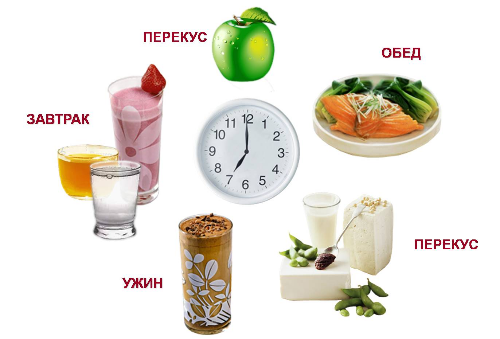
Расписание приема пищи – инструмент контроля веса

Поддерживайте жизненные силы на высоком уровне, а вес в норме при помощи структурированного плана приема пищи и перекусов во время праздников.

Возьмите под контроль свои праздничные планы и собственное здоровье, прибегнув к некоторым простым методам по поддержанию веса и уровня сахара в крови в норме.