For patients in the hospital, common sites of infection include intravenous lines, surgical wounds, surgical drains, and sites of skin breakdown, known as bedsores or pressure ulcers.
In sepsis, blood pressure drops, resulting in shock. Major organs and body systems, including the kidneys, liver, lungs, and central nervous system stop working properly because of poor blood flow.
The health care provider will examine the person and ask about the person's medical history.
The infection is often confirmed by a blood test. But a blood test may not reveal infection in people who have been receiving antibiotics. Some infections that can cause sepsis cannot be diagnosed by a blood test.
A person with sepsis will be admitted to a hospital, usually in the intensive care unit (ICU). Antibiotics are usually given through a vein (intravenously).
Oxygen is given to the person. Large amounts of fluids are given through a vein. Other medical treatments include:
Sepsis is often life threatening, especially in people with a weakened immune system or a long-term (chronic) illness.
Damage caused by a drop in blood flow to vital organs such as the brain, heart, and kidneys may take time to improve. There may be long-term problems with these organs.
The risk of sepsis can be reduced by getting all recommended vaccines.
In the hospital, careful hand washing can help prevent infections that lead to sepsis. Prompt removal of urinary catheters and IV lines when they are no longer needed can also help prevent infections that lead to sepsis.
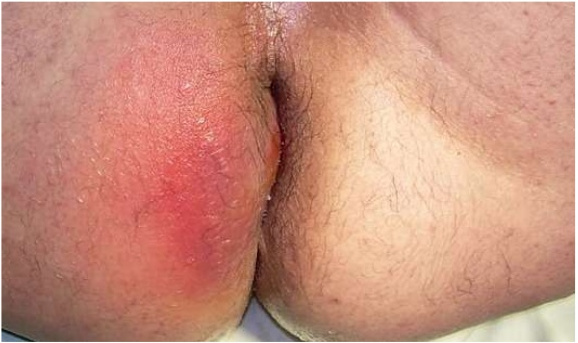
The condition affects men more than women. The condition may occur in infants and toddlers who are still in diapers and who have a history of anal fissures.
Common symptoms are swelling around the anus and a constant, throbbing pain with swelling. Pain may be severe with bowel movements, coughing and sitting.
Redness, painful and hardened tissue in the area of the anus
Tenderness
In infants, the abscess often appears as a swollen, red, tender lump at the edge of the anus. The infant may be fussy and irritable from discomfort. There are usually no other symptoms.
The problem rarely goes away on its own. Antibiotics alone usually cannot treat an abscess.
Treatment involves surgery to open and drain the abscess.
Surgery is done using local numbing medicine, along with medicine to make you sleepy. Spinal or general anesthesia may be used.
Surgery is most often an outpatient procedure, which means that you go home on the same day. The surgeon cuts open the abscess and drains the pus.
If the pus collection is deep, you may need to stay in the hospital until the abscess has completely drained.
After surgery, you need warm sitz baths (sitting in a tub of warm water). This helps relieve pain, reduce swelling, and make the abscess easier to drain.
Drained abscesses are usually left open and no stitches are needed.
The surgeon may prescribe painkillers and antibiotics.
You may need stool softeners. Practice good hygiene. Eat soft or liquid foods until the abscess has healed.
Prevention or prompt treatment of STDs may prevent an anorectal abscess from forming. Use condoms during intercourse, including anal sex, to prevent such infections.
In infants and toddlers, frequent diaper changes and proper cleaning during diaper changes can help prevent both anal fissures and abscesses.
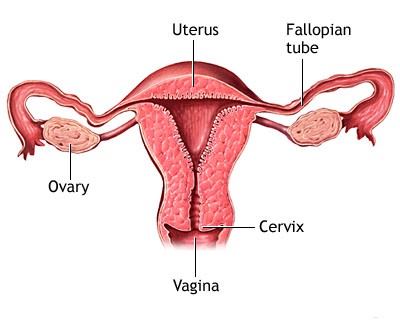
Cervicitis is most often caused by an infection that is caught during sexual activity. Sexually transmitted infections (STIs) that can cause cervicitis include:
Chlamydia
Gonorrhea
Herpes virus (genital herpes)
Human papilloma virus (genital warts)
Trichomoniasis
Other things that can cause cervicitis include:
A device inserted into the pelvic area such as a cervical cap, diaphragm, or pessary
Allergy to spermicides used for birth control
Allergy to latex in condoms
Exposure to a chemical
Cervicitis is very common. It affects more than one half of all women at some point during their adult life. Risks include:
High-risk sexual behavior
History of STIs
Many sexual partners
Sex (intercourse) at an early age
Sexual partners who have engaged in high-risk sexual behavior or have had an STI
Bacteria (such as staphylococcus and streptococcus) and too much growth of normal bacteria in the vagina (bacterial vaginosis) can also cause cervicitis.
Things you can do to reduce your risk of developing cervicitis include:
Avoid irritants such as douches and deodorant tampons.
Make sure that any foreign objects you insert into your vagina (such as tampons) are properly placed. Be sure to follow instructions on how long to leave it inside, how often to change it, or how often to clean it.
Make sure your partner is free of any STI. You and your partner should not have sex with any other people.
Use a condom every time you have sex to lower your risk of getting an STI. Condoms are available for both men and women, but are most commonly worn by the man. A condom must be used properly every time.
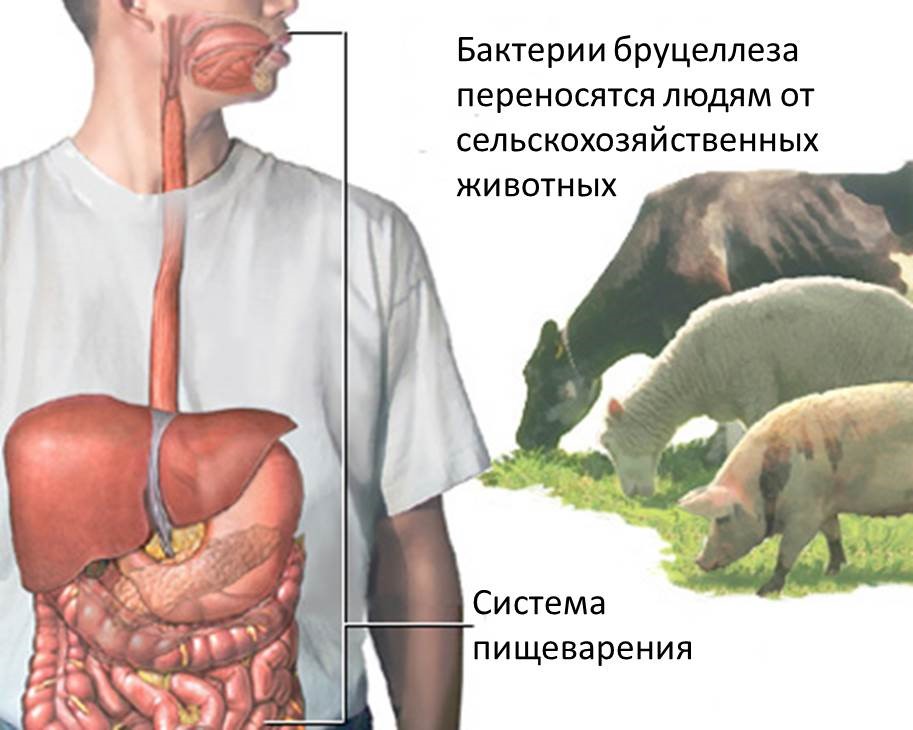
Animal diseases that people can catch are called zoonoses. Many diseases affecting humans can be traced to animals or animal products. You can get a disease directly from an animal, or indirectly, through the environment.
Farm animals can carry diseases. If you touch them or things they have touched, like fencing or buckets, wash your hands thoroughly. Adults should make sure children who visit farms or petting zoos wash up as well.
Though they may be cute and cuddly, wild animals may carry germs, viruses, and parasites. Deer and deer mice carry ticks that cause Lyme disease. Some wild animals may carry rabies. Enjoy wildlife from a distance.
Pets can also make you sick. Reptiles pose a particular risk. Turtles, snakes and iguanas can transmit Salmonella bacteria to their owners. You can get rabies from an infected dog or toxoplasmosis from handling kitty litter of an infected cat. The chance that your dog or cat will make you sick is small. You can reduce the risk by practicing good hygiene, keeping pet areas clean and keeping your pets' shots up-to-date.
Sexually transmitted diseases (STDs) are infections that you can get from having sex with someone who has the infection. The causes of STDs are bacteria, parasites and viruses. There are more than 20 types of STDs, including
Most STDs affect both men and women, but in many cases the health problems they cause can be more severe for women. If a pregnant woman has an STD, it can cause serious health problems for the baby.
If you have an STD caused by bacteria or parasites, your health care provider can treat it with antibiotics or other medicines. If you have an STD caused by a virus, there is no cure. Sometimes medicines can keep the disease under control. Correct usage of latex condoms greatly reduces, but does not completely eliminate, the risk of catching or spreading STDs.
The most common causes of meningitis are viral infections that usually get better without treatment. However, bacterial meningitis infections are extremely serious, and may result in death or brain damage, even if treated.
Meningitis may also be caused by:
Chemical irritation
Drug allergies
Fungi
Parasites
Tumors
Most viral meningitis is due to enteroviruses, which are viruses that also can cause intestinal illness.
Many other types of viruses can cause meningitis.
Viral meningitis can be caused by herpes viruses, the same virus that can cause cold sores and genital herpes . However, people with cold sores or genital herpes are not at a greater risk of developing herpes meningitis.
Viruses that cause mumps and HIV can cause aseptic meningitis.
Viral meningitis occurs more often than bacterial meningitis, and is milder. It usually occurs in the late summer and early fall. It most often affects children and adults under age 30.
Bacteria meningitis is an emergency. You will need immediate treatment in a hospital. Symptoms usually come on quickly, and may include:
Unusual posture, with the head and neck arched backwards (opisthotonos)
Meningitis is an important cause of fever in children and newborns.
You cannot tell if you have bacterial or viral meningitis by how they feel. Your health care provider must do this. Seek prompt attention if you have symptoms of meningitis.
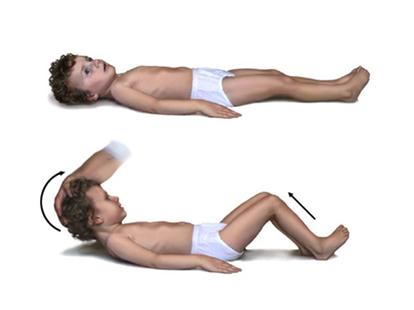
One of the physically demonstrable symptoms of meningitis is Brudzinski's sign. Severe neck stiffness causes a patient's hips and knees to flex when the neck is flexed.
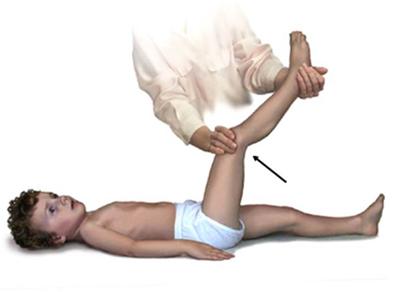
One of the physically demonstrable symptoms of meningitis is Kernig's sign. Severe stiffness of the hamstrings causes an inability to straighten the leg when the hip is flexed to 90 degrees.
If the health care provider thinks you have meningitis, a lumbar puncture (spinal tap) should be done to remove a sample of spinal fluid (cerebrospinal fluid, or CSF) for testing.
Antibiotics are used to treat bacterial meningitis. The specific type depends on which bacteria is causing the infection. Antibiotics do not treat viral meningitis.
Antiviral medicine may be given to those with herpes meningitis.
Other treatments will include:
Fluids through a vein (IV)
Medicines to treat symptoms such as brain swelling, shock, and seizures
Early diagnosis and treatment of bacterial meningitis is essential to prevent permanent neurological damage. Viral meningitis is usually not serious, and symptoms should disappear within 2 weeks with no lasting complications.
Certain vaccines can help prevent some types of meningitis.
Haemophilus vaccine (HiB vaccine) in children helps prevent one type of bacterial meningitis.
The pneumococcal conjugate vaccine is now a routine childhood immunization. It is very effective at preventing pneumococcal meningitis.
Household members and others in close contact with people who have meningococcal meningitis should receive antibiotics to prevent becoming infected.
The meningococcal vaccination is recommended for:
Adolescents ages 11 - 12 and adolescents entering high school (about age 15) who have not already received the vaccination. A booster shot is given between age 16-18.
All college freshmen who have not been vaccinated and are living in dorms.
Children age 2 and older who do not have their spleen or who have other problems with their immune system.
Those traveling to countries where diseases caused by meningococcus are very common (ask your doctor).
Идея забора чужих фекалий и пересадка их в кишечник другого человека может показаться весьма отталкивающей, однако подобная терапия показала высокую эффективность в лечении инфекций, спровоцированных бактерией C.difficile.
Заболевания, которыми люди могут заразиться от животных, называются зоонозными инфекциями. Многими заболеваниями, опасными для людей, можно заразиться от животных или продуктов животного происхождения. Вы можете заразиться заболеванием непосредственно от животного или косвенно, через окружающую среду.
Сельскохозяйственные животные могут быть источниками болезней. Если вы касаетесь их или того, чего коснулись они, например, ограждений или ведер, тщательно помойте руки. Взрослые должны убедиться, что дети, которые посещают фермы или зоопарки, тоже хорошо моют руки.
Несмотря на то, что животные могут быть милыми и приятными, они являются источником микробов, вирусов и паразитов. Олени и мыши переносят клещей, которые вызывают болезнь Лайма. Некоторые дикие животные могут переносчиками бешенства. Наслаждайтесь дикой природой на расстоянии.
Домашние животные также могут вас заразить. Особую опасность представляют рептилии. Черепахи, змеи и игуаны могут заразить своих владельцев бактериями сальмонеллы. Вы можете заразиться бешенством от инфицированной собаки, токсоплазмозом при уборке кошачьего туалета. Вероятность того, что ваша собака или кошка заразят вас, мала. Вы можете снизить риск инфицирования, соблюдая правила гигиены.
Бруцеллез является заболеванием, которое начинается с гриппоподобных симптомов. К осложнениям заболевания относятся артрит, болезни сердца и повреждение мозга.


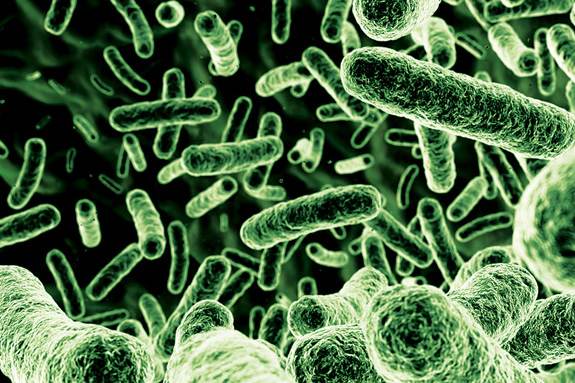 Идея забора чужих фекалий и пересадка их в кишечник другого человека может показаться весьма отталкивающей, однако подобная терапия показала высокую эффективность в лечении инфекций, спровоцированных бактерией C.difficile.