Osteonecrosis is bone death caused by poor blood supply. It is most common in the hip and shoulder, but can affect other large joints such as the knee, elbow, wrist and ankle.
Osteonecrosis occurs when part of the bone does not get blood and dies. After a while, the bone can collapse. If osteonecrosis is not treated, the joint deteriorates, leading to severe arthritis.
Osteonecrosis can be caused by disease or by severe trauma, such as a fracture or dislocation, that affects the blood supply to the bone. Osteonecrosis can also occur without trauma or disease. This is called idiopathic -- meaning it occurs without any known cause.
Your health care provider will do a physical exam to find out if you have any diseases or conditions that may affect your bones. You will be asked about your symptoms and medical history.
Be sure to let your provider know about any medicines or vitamin supplements you are taking, even over-the-counter medicine.
After the exam, your provider will order one or more of the following tests:
If your provider knows the cause of osteonecrosis, part of the treatment will be aimed at the underlying condition. For example, if a blood clotting disorder is the cause, treatment will consist, in part, of clot-dissolving medicine.
If the condition is caught early, you will take pain relievers and limit use of the affected area. This may include using crutches if your hip, knee, or ankle is affected. You may need to do range-of-motion exercises. Nonsurgical treatment can often slow the progression of osteonecrosis, but most people will need surgery.
Many cases of osteonecrosis do not have a known cause, so prevention may not be possible. In some cases, you can reduce your risk by doing the following:
· Avoid drinking excessive amounts of alcohol.
· When possible, avoid high doses and long-term use of corticosteroids.
Невозможно избавиться от жира только в определенной части тела, однако можно привести в тонус определенные группы мышц, чтобы улучшить внешний вид собственного тела.
Согласно результатам исследования, проведенного в Великобритании, у беременных, рацион которых был богат витамином D, рождаются физически более сильные дети.
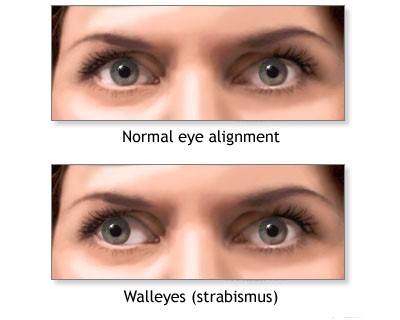
Strabismus is a disorder in which the two eyes do not line up in the same direction, and therefore do not look at the same object at the same time. The condition is more commonly known as "crossed eyes."
People are very sensitive to other individuals' eye positions. By looking at another person's eye position, one can very effectively gauge where they are looking. People are also sensitive to eyes that are not looking in the same direction, which is referred to as crossed eyes (strabismus). Other more specific medical terms refer to eyes turned either outward or inward, or that are abnormally rotated. Any appearance of crossed eyes in young children should be immediately evaluated, as should recent onset of crossed eyes in an adult.
People are very sensitive to other individuals' eye positions. By looking at another person's eye position, one can very effectively gauge where they are looking. People are also sensitive to eyes that are not looking in the same direction, which is referred to as crossed eyes (strabismus). Other more specific medical terms refer to eyes turned either outward or inward, or that are abnormally rotated. Any appearance of crossed eyes in young children should be immediately evaluated, as should recent onset of crossed eyes in an adult.
Six different muscles surround each eye and work "as a team" so that both eyes can focus on the same object.
In someone with strabismus, these muscles do not work together. As a result, one eye looks at one object, while the other eye turns in a different direction and is focused on another object.
When this occurs, two different images are sent to the brain -- one from each eye. This confuses the brain. In children, the brain may learn to ignore the image from the weaker eye.
If the strabismus is not treated, the eye that the brain ignores will never see well. This loss of vision is called amblyopia. Another name for amblyopia is "lazy eye." Sometimes amblyopia is present first, and it causes strabismus.
In most children with strabismus, the cause is unknown. In more than half of these cases, the problem is present at or shortly after birth. This is called congenital strabismus.
Most of the time, the problem has to do with muscle control, and not with muscle strength.
Other disorders associated with strabismus in children include:
A family history of strabismus is a risk factor. Farsightedness may be a contributing factor, especially in children. Any other disease that causes vision loss may also cause strabismus.
The first step in treating strabismus in children is to prescribe glasses, if needed.
Amblyopia or lazy eye must be treated first. A patch is placed over the better eye. This forces the weaker eye to work harder.
Your child may not like wearing a patch or eyeglasses. A patch forces the child to see through the weaker eye at first. However, it is very important to use the patch or eyeglasses as directed.
If the eyes still do not move correctly, eye muscle surgery may be needed. Different muscles in the eye will be made stronger or weaker.
Eye muscle repair surgery does not fix the poor vision of a lazy eye. A child may have to wear glasses after surgery. In general, the younger a child is when the surgery is done, the better the result.
Adults with mild strabismus that comes and goes may do well with glasses and eye muscle exercises to help keep the eyes straight. More severe forms of adult strabismus will need surgery to straighten the eyes. If strabismus has occurred because of vision loss, the vision loss will need to be corrected before strabismus surgery can be successful.
After surgery, the eyes may look straight but vision problems can remain.
The child may still have reading problems in school, and for adults driving may be more difficult. Vision may affect the ability to play sports.
With early diagnosis and treatment, the problem can usually be corrected. Delayed treatment may lead to permanent vision loss in one eye. About one-third of children with strabismus will develop amblyopia.
Because many children will get strabismus or amblyopia again, they need to be monitored closely.
When to Contact a Medical Professional
Strabismus requires prompt medical evaluation. Call for an appointment with your health care provider or eye doctor if your child:
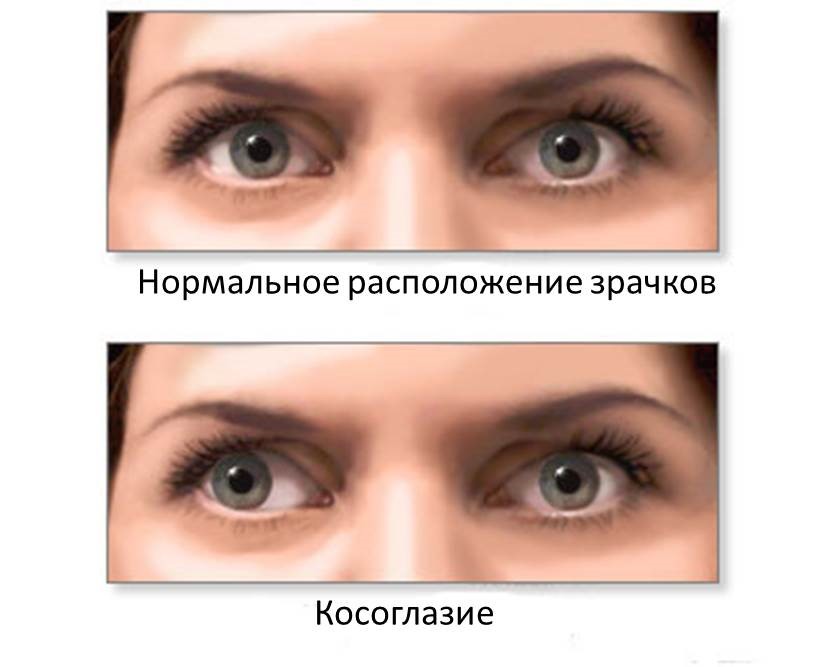
Страбизм - заболевание, при котором движения глаз несогласованны, при этом зрительные оси не могут быть сведены на одном объекте. Заболевание более известно, как "косоглазие".
Люди очень восприимчивы к расположению глаз собеседника. Наблюдая за направлением глаз другого человека, можно определить направление взгляда. Людям непривычен взгляд, направленный в разные стороны. Это и называется косоглазием. В медицинской терминологии это явление называется приведением глаза кнутри, отведением наружу, неправильной ротацией глаза. Любое проявление косоглазия у маленьких детей должно быть немедленно диагностировано, чтобы предупредить тяжелые нарушения во взрослом возрасте.
Каждый глаз окружен шестью различными мышцами, которые "как одна команда" контролируют его работу. Они обеспечивают сосредоточение обоих глаз на одном и том же объекте.
У людей с косоглазием работа этих мышц не слажена. В результате этого один глаз смотрит на объект, в то время как другой глаз повернут в другом направлении.
Когда это происходит, в мозг посылаются два различных изображения – по одному от каждого глаза. Это путает мозг. У детей мозг может научиться не воспринимать изображение от более слабого глаза.
Если косоглазие не лечить, то глаз, изображение с которого мозг не воспринимает, никогда не будет видеть хорошо. Эта потеря зрения называется амблиопией. Другое название амблиопии - "ленивый глаз". Иногда амблиопия является первичным заболеванием, которое приводит к косоглазию.
У большинства детей причина косоглазия не известна. У большинства таких больных заболевание имеется с рождения или возникает вскоре после него. Это называют врожденным косоглазием.
Много времени занимают проблемы, связанные с правильным контролем мышечного аппарата, а не мышечной силы.
Другие заболевания, связанные с косоглазием у детей:
Синдром Аперта
Церебральный паралич
Врожденная краснуха
Гемангиома около глаза
Синдром пигментного дерматоза
Синдром Нунан
Синдром Прадера - Вилли
Преждевременная ретинопатия
Ретинобластома
Травматическое повреждение головного мозга
Трисомия 18
Косоглазие, возникшее во взрослом возрасте, может быть вызвано:
Потерей зрения от любого заболевания глаз или ранения
Наследственное косоглазие является фактором риска. Дальнозоркость может быть способствующим фактором, особенно у детей. Любая другая болезнь, которая вызывает потерю зрения, также может привести к косоглазию.
Первый шаг в лечении косоглазия у детей - ношение очков.
Первоначально необходимо лечение амблиопии. На здоровый глаз накладывают повязку. Это вынуждает более слабый глаз работать в более усиленном режиме.
Вашему ребенку может не понравиться носить повязку или очки. Повязка вынуждает ребенка видеть только слабым глазом. Однако, использовать повязку или очки очень важно.
Если глаза все же не перемещаются правильно, может потребоваться проведение хирургического вмешательства. Во время операции определенные мышцы сделают более сильными или ослабят их натяжение.
Хирургическая операция на мышцы глаза не устраняет плохое зрение «ленивого глаза». Ребенку, вероятно, придется носить очки после операции. Чем раньше ребенку проведена операция, тем лучше результат.
Взрослые с легкой формой косоглазия, которое появляется и исчезает, могут улучшить свое состояние ношением очков и упражнениями для глазных мышц. Более серьезные формы взрослого косоглазия также требуют проведения оперативного вмешательства. Если косоглазие появилось из-за потери зрения, прежде чем исправить его хирургическим путем, необходимо улучшить зрение.
После операции глаза будут смотреть в одном направлении, но проблемы со зрением могут остаться.
В школе у ребенка все же могут наблюдаться проблемы с чтением, а у взрослых – проблемы за рулем. Плохое зрение может ограничить способность ребенка играть в некоторые спортивные игры.
При ранней диагностике и своевременном лечении прогноз благоприятный. Более позднее обращение за медицинской помощью может привести к полной потере зрения на один глаз. Приблизительно одна треть детей с косоглазием страдает амблиопией.
Поскольку у многих детей встречаются косоглазие или амблиопия, они должны тщательно обследоваться.
Когда необходимо обратиться за врачебной помощью
Косоглазие требует немедленного медицинского обследования. Проконсультируйтесь с врачом или с окулистом в следующих случаях:
Вам кажется, что у ребенка косоглазие
Ребенок жалуется на двоение в глазах
Испытывает затруднения при наблюдении
Примечание: Трудности в учебе или проблемы в школе иногда могут возникнуть из-за неспособности ребенка хорошо видеть доску или читать.
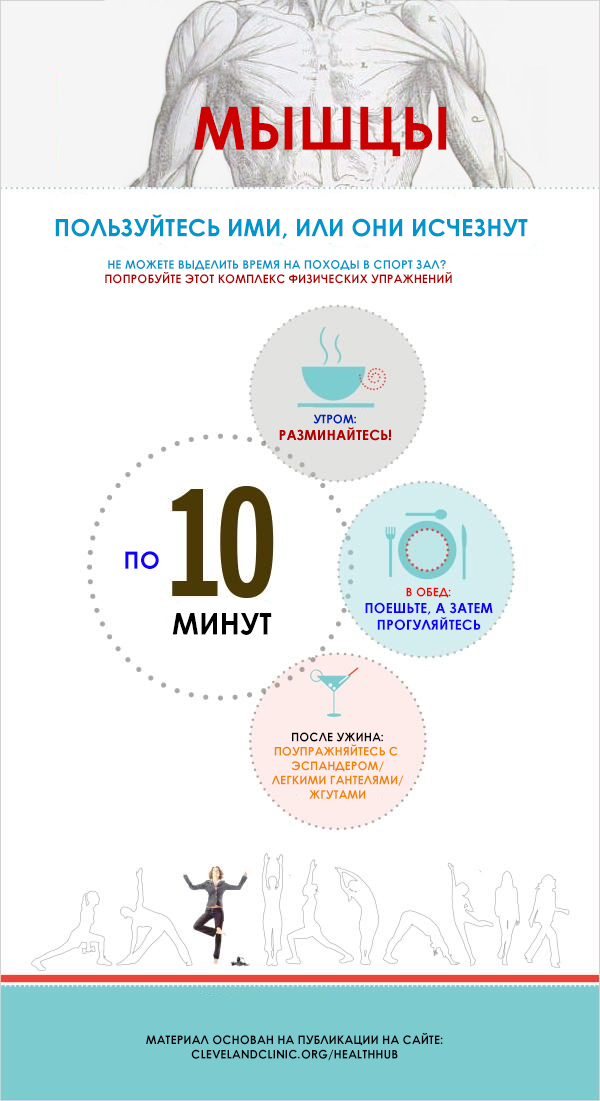
Редакция Zdrav.kz представляет вашему вниманию занимательный инфографик, который посвящен способу поддержания тонуса мышц, когда нет возможности ходить в спортивный зал.
Что это такое? Остеонекроз иначе называют аваскулярным некрозом. Это гибель костной ткани в результате уменьшения или прекращения кровоснабжения костной ткани.
Что является причиной? Аваскулярный некроз может быть вызван остеомиелитом - воспалением костной ткани, травмой (переломом, смещением кости), а также радиационной болезнью. К аваскулярному некрозу могут привести такие заболевания как серповидно-клеточная анемия, подагра и системная красная волчанка. Длительное употребление алкоголя или лекарственных средств (например, кортикостероидов) повышает риск аваскулярного некроза.
К симптомам аваскулярного некроза относятся слабая, умеренная боль в месте поражения - бедре или паху, нарушения движения и хромота. Боль может быть резкой и обостряется в стоячем положении или при ходьбе. Обычно отдых облегчает боль. У детей, страдающих аваскулярным некрозом, могут наблюдаться спазмы в бедренной мышце, хромота или отказ от ношения тяжестей.
Обратитесь к вашему врачу или хирургу по месту жительства для того, чтобы узнать что следует предпринять.



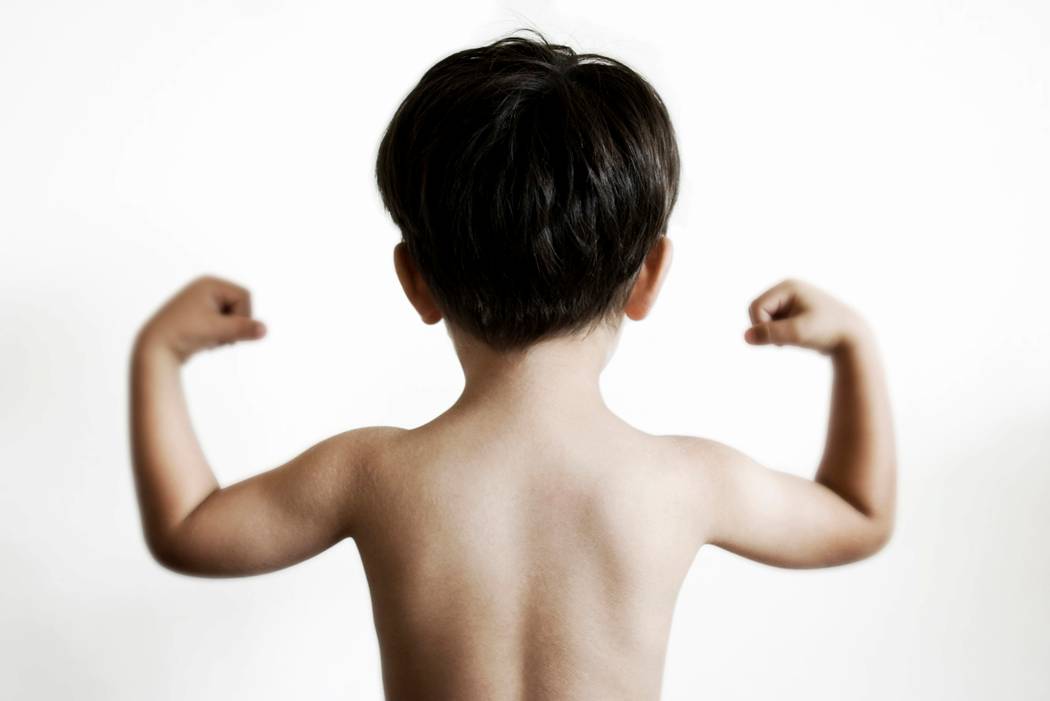 Согласно результатам исследования, проведенного в Великобритании, у беременных, рацион которых был богат