.

воспаление | zdrav.kz
X

Электрондық поштаңызға соңғы жаңалықтарды алыңыз

X

Получайте самые последние новости на свой e-mail

воспаление

Мазмұны

Жалпы ақпарат

Себептері

Симптомдары

Емдеу

Болжамы


Жалпы ақпарат

Эризипелоид – терінің бактериалдық қабынуы (дерматит).


Себептері

Эризипелоидтің қоздырғышы - Erysipelothrix Rhusiopathiae бактериясы.  Бактериялардың бұл түрі балықта, құста, сүт қоректілерде, моллюскілер мен шаян тәрізділерде мекендейді. Адамдар әдетте, осы жануарлармен жұмыс істегенде жұқтырады (мысалы, фермерлер немесе қасапшылар).


Симптомдары

Негізгі симптомы – терінің сезімталдығының артуы және қызаруы.


Емдеу

Ауруды емдеу үшін антибактериалдық препараттар тағайындалады, әсіресе, пенициллин.


Болжамы

Инфекция сирек таралады және өздігінше өтуі мүмкін. 

Мазмұны

Жалпы ақпарат

Себептері

Симптомдары

Диагностика

Емдеу

Аурудың болжамы

Мүмкін асқынулары

Қашан дәрігерге көріну қажет

Алдын алу


Жалпы ақпарат

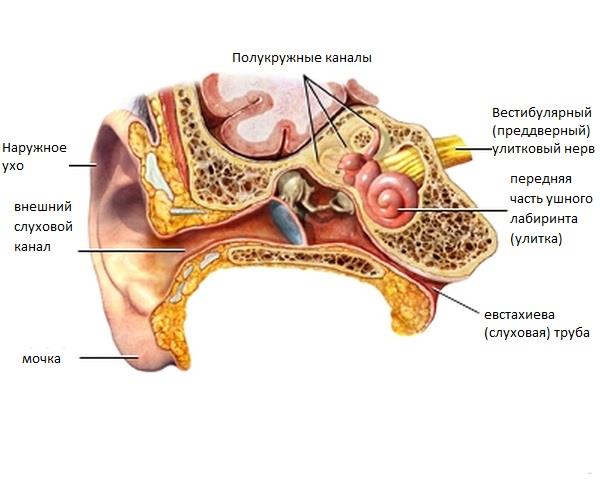
Лабиринтит – ішкі құлақтың іріңді немесес іріңсіз қабынуымен сипатталатын ауру. 

Құлақ сыртқы, ортаңғы және ішкі бөлімдерден тұрады. Дыбыс жарғақ және үш кішкене сүйектер дыбысты  дыбыс жарғақтан құлақ иірімінің алдыңғы жағына өткізеді.


Себептері

Лабиринтит ортаңғы құлақтың жіті немесе көбінесе, созылмалы ауруларында, ортаңғы құлақтың туберкулезінде, жарақат кезінде пайда болады.

Даму жолдарына байланысты ішкі құлақтың қабыну ауруларын тимпаногендік (ортаңғы құлақтан өтетін), менингогендік (менингитте) және гематогендік (басқа ауруларда қабыну ішкі құлаққа қан арқылы беріледі) түрлеріне бөлуге болады.

Сондай-ақ, иірімнің іріңді және іріңсіз зақымдануы болады, ал таралуы бойынша диффуздық (таралған) және шектелген болады.

Келесі факторлар лабиринтиттің пайда болу қаупін арттырады:

  • Алкогольдің үлкен мөлшерін қабылдау
  • Шаршау
  • Аллергия болу тарихы
  • Вирустық аурудың, респираторлық инфекциядан кейін
  • Құлақтың инфекциясы
  • Темекі шегу
  • Күйзеліс
  • Рецептімен немесе рецептісіз берілетін белгілі бір дәрілерді қолдану (әсіресе,  аспирин)


Симптомдары

  • Бас айналуы
  • Көздің еріксіз қозғалуынан фокустеу қиындығы
  • Бір құлақтың естімей қалуы
  • Тепе-теңдікті жоғалту, мысалы, бір жағына құлау
  • Жүрек айну және құсу
  • Құлақтың шыңылдауы

Іріңді  лабиринтитте температура артуы мүмкін. Диффуздық іріңді лабиринтитте  толық естімей қалу орнайды.


Диагностика

Дәрігер науқастың лабиринтиттің симптомдарына нұсқайтын шағымдарын тыңдап, ауруды анықтайды.

Әдетте, бұл ауруды анықтау үшін арнайы тестілер қажет емес, бірақ, дәрігер келесі науқастан диагностикалық шараларды өтуін сұрауы мүмкін:

  • ЭЭГ (электроэнцефалограмма – мидың электрлік белсенділігін зерттеу)
  • Электронистагмография (көздің бұлшық еттерінің электрлік белсенділігін зерттеу)
  • бастың КТ (компьютерлік томографиясы)
  • есту тестілері (аудиология / аудиометрия)
  • бастың МРТ (магниттік-резонанстық томографиясы)


Емдеу

Лабиринтит әдетте, емдеу басталғаннан кейін бірнеше аптада өтеді. Емдеу бас айналуы секілді симптомдарды жеңілдетуге көмектеседі.

Емдеу үшін қолданылатын дәрілік препараттар:

  • Антигистаминдік (аллергияға қарсы) препараттар
  • Жүрек айну мен құсуға қарсы дәрілер
  • Бас айналуын жоятын дәрілер
  •  Ұйқы шақыратын және тыныштандыратын құралдар


Аурудың болжамы

Уақытылы дәрігерге көрінгенде және дұрыс емделгенде болжамы – оң. Ауыр симптомдары аптаның ішінде өтеді. Науқастардың көпшілігі 2-3 ай барысында сауығады. Егде науқастарда бас ауыруы және бас айналуы байқалуы мүмкін. Егер асқынуға жол беріліп, естімей қалу орын алса, есту қалпына келмеуі мүмкін.

Мүмкін асқынулары

  • Естімей қалу (аса сирек)


Қашан дәрігерге көріну қажет

Дәрігерге хабарласыңыз, егер:

  • Бас айналуы, тепе-теңдікті жоғалту немесе лабиринтиттің басқа симптомдары болса
  • Естімей қалсаңыз

Жедел жәрдемді шақырыңыз, егер:

  • құрысу болса
  • заттар қос болып көрінсе
  • естен тану болса
  • ұдай қусу болса
  • сөйлеу түсініксіз болса
  • бас айналуында, әсіресе, 38 ° C-тан асатын температура болса
  • әлсіздік немесес салдануда


Алдын алу

Аурудың алдына алудың белгілі әдістері жоқ. 

Темный шоколад способен подарить удовольствие и здоровье Вам и Вашим гостям

Сезон угощений снова открыт, куда ни глянь повсюду конфеты и печенье. Но не  все сладости одинаковы. При наличии в них определенных ингредиентов, Вы сможете наслаждаться сладостями без ущерба для здоровья. Например, темный шоколад является прекрасным десертом для любого праздника.

A carbuncle is a skin infection that often involves a group of hair follicles. The infected material forms a lump, which occurs deep in the skin and may contain pus.

When there is more than one carbuncle, the condition is called carbunculosis.


Causes

Most carbuncles are caused by the bacteria staphylococcus aureus. The infection is contagious. This means it can spread to other areas of the body or other people.

A carbuncle is made up of several skin boils (furuncles). The infected mass is filled with fluid, pus, and dead tissue. Fluid may drain out of the carbuncle, but sometimes the mass is so deep that it cannot drain on its own.

Carbuncles can develop anywhere. But they are most common on the back and the nape of the neck. Men get carbuncles more often than women.

Because the  bacteria that causes the condition is contagious, family members may develop carbuncles at the same time. Often, the cause of a carbuncle cannot be determined.

You are more likely to get a carbuncle if you have:

  • Friction from clothing or shaving
  • Poor hygiene
  • Poor overall health

Persons with diabetesdermatitis, and weakened immune systems are more likely to develop staph infections that can cause carbuncles.


Symptoms

A carbuncle is a swollen lump or mass under the skin. It may be the size of a pea or as large as a golf ball. The carbuncle may be red and irritated and might hurt when you touch it.

It may also:

  • Grow very fast
  • Have a white or yellow center (contain pus)
  • Weep, ooze, or crust
  • Spread to other skin areas

Sometimes, other symptoms may occur. These may include:

  • Fatigue
  • Fever
  • General discomfort or sick feeling
  • Skin itching before the carbuncle develops


Exams and Tests

Your doctor will look at your skin. The diagnosis is based on what the skin looks like. A sample of the pus may sent to a lab to determine the bacteria causing the infection (bacterial culture). The test result helps your doctor determine the appropriate treatment.


Treatment

Carbuncles usually must drain before they will heal. This most often occurs on its own in less than 2 weeks.

Placing a warm moist cloth on the carbuncle helps it to drain, which speeds healing. Apply a clean, warm moist cloth several times each day. Never squeeze a boil or try to cut it open at home, because this can spread the infection and make it worse.

You need to seek treatment if the carbuncle lasts longer than 2 weeks, returns frequently, is located on the spine or the middle of the face, or occurs along with a fever or other symptoms. Treatment helps reduce complications related to an infection.

Your doctor may prescribe:

  • Antibacterial soaps
  • Antibiotics applied to the skin or taken by mouth

Deep or large lesions may need to be drained by a health care provider.

Proper hygiene is very important to prevent the spread of infection.

  • Wash your hands thoroughly with soap and warm water  after touching a carbuncle.
  • Do not re-use or share washcloths or towels. This can cause the infection to spread.
  • Clothing, washcloths, towels, and sheets or other items that contact infected areas should be washed in very hot (preferably boiling) water.
  • Bandages should be changed often and thrown away in a bag that can be tightly closed.


Outlook (Prognosis)

Carbuncles may heal on their own. Others usually respond well to treatment. A carbuncle can return again and again for months or years following the first infection.


Possible Complications

  • Abscess of the brain, skin, spinal cord, or organs such as the kidneys
  • Endocarditis
  • Osteomyelitis
  • Permanent scarring of the skin
  • Sepsis
  • Spread of infection to other areas


When to Contact a Medical Professional

Call your health care provider if:

  • A carbuncles does not heal with home treatment within 2 weeks
  • Carbuncles come back often
  • A carbuncle is located on the face or spine
  • You have a fever, red streaks running from the sore, a lot of swelling around the carbuncle, or pain that gets worse


Prevention

Good general health and hygiene may help prevent some staph skin infections. Such infections are contagious, so care must be taken to avoid spreading the bacteria to other people.

If you get carbuncles often, your doctor may give you antibiotics to prevent them.


Alternative Names

Skin infection - staphylococcal; Infection - skin - staph; Staph skin infection; Carbunculosis


Source: http://www.nlm.nih.gov/medlineplus/ency/article/000825.htm

Contents

Causes

Symptoms

Exams and Tests

Treatment

Outlook (Prognosis)

Possible Complications

When to Contact a Medical Professional

Prevention

Alternative Names


Trench mouth is a painful bacterial infection that involves swelling (inflammation) and ulcers in the gums (gingivae).

Causes

Trench mouth is a painful form of gum swelling (gingivitis). The term "trench mouth" comes from World War I, when the disorder was common among soldiers.

The mouth normally contains a balance of different bacteria. Trench mouth occurs when there is an overgrowth of normal mouth bacteria. The gums become infected and develop painful ulcers. Viruses may be involved in allowing the bacteria to grow too much.

Risks include the following:

  • Emotional stress
  • Poor oral hygiene
  • Poor nutrition
  • Smoking
  • Throat, tooth, or mouth infections

This disorder is rare. When it does occur, trench mouth most often affects persons ages 15 - 35.


Symptoms

  • Bad breath
  • Crater-like ulcers between the teeth
  • Fever
  • Foul taste in the mouth
  • Gums appear reddened and swollen
  • Grayish film on the gums
  • Painful gums
  • Profuse gum bleeding in response to any pressure or irritation

Note: Symptoms often begin suddenly.


Exams and Tests

The health care provider will look at your mouth for signs of trench mouth, including:

  • Crater-like ulcers filled with plaque and food debris
  • Destruction of gum tissue around the teeth
  • Inflamed gums

There may be a gray film caused by broken down (decomposed) gum tissue. In some cases, there may be fever and swollen lymph nodes of the head and neck.

Dental x-rays or x-rays of the face may be taken to determine how severe the infection is and how much tissue has been destroyed.

This disease may also be tested for by using a throat swab culture.


Treatment

The goals of treatment are to cure the infection and relieve symptoms. Your health care provider may prescribe antibiotics if you have a fever.

Good oral hygiene is vital to the treatment of trench mouth. Brush and floss your teeth thoroughly, at least twice a day, and preferably after each meal and at bedtime.

Salt water rinses (1/2 teaspoon of salt in 1 cup of water) may soothe sore gums. Hydrogen peroxide, used to rinse the gums, is often recommended to remove dead or dying gum tissue. Chlorhexidine rinse will help with gum inflammation.

Over-the-counter pain relievers (analgesics) may reduce your discomfort. Soothing rinses or coating agents may reduce pain, especially before eating. You may apply lidocaine to the gums for severe pain.

You may be asked to visit a dentist or dental hygienist to have your teeth professionally cleaned and to have the plaque removed, once your gums feel less tender. You may need frequent dental cleaning and examinations until the disorder is cleared.

To prevent the condition from coming back, your health care provider may give you instructions on how to:

  • Maintain good general health, including proper nutrition and exercise
  • Maintain good oral hygiene
  • Reduce stress
  • Stop smoking

Avoid irritants such as smoking and hot or spicy foods.


Outlook (Prognosis)

The infection usually responds to treatment. The disorder can be quite painful until it is treated. If trench mouth is not treated promptly, the infection can spread to the cheeks, lips, or jawbone and destroy these tissues.


Possible Complications


When to Contact a Medical Professional

Call the dentist if you have symptoms of trench mouth, or if fever or other new symptoms develop.


Prevention

Preventive measures include:

  • Good general health
  • Good nutrition
  • Good oral hygiene, including thorough tooth brushing and flossing
  • Learning ways to cope with stress
  • Regular professional dental cleaning and exams
  • Stopping smoking


Alternative Names

Vincent's stomatitis; Acute necrotizing ulcerative gingivitis


Erysipeloid is inflammation of the skin (dermatitis) due to bacteria.


Causes

Erysipeloid is caused by the bacteria, Erysipelothrix rhusiopathiae. This type of bacteria is found in fish, birds, mammals, and shellfish. It usually affects people who work with these animals (such as farmers or butchers).


Symptoms

The main symptom is warmth, tenderness, and redness on the skin.


Treatment

Antibiotics, especially penicillin, are used to treat this condition.


Outlook (Prognosis)

The infection rarely spreads. It may get better on its own.


http://www.nlm.nih.gov/medlineplus/ency/article/000632.htm

Contents

Causes

Symptoms

Exams and Tests

Treatment

Outlook (Prognosis)

Possible Complications

When to Contact a Medical Professional

Prevention


Meningitis is a bacterial infection of the membranes covering the brain and spinal cord (meninges).

Causes

The most common causes of meningitis are viral infections that usually get better without treatment. However, bacterial meningitis infections are extremely serious, and may result in death or brain damage, even if treated.

Meningitis may also be caused by:

  • Chemical irritation
  • Drug allergies
  • Fungi
  • Parasites
  • Tumors

Most viral meningitis is due to enteroviruses, which are viruses that also can cause intestinal illness.

Many other types of viruses can cause meningitis. 

  • Viral meningitis can be caused by herpes viruses, the same virus that can cause cold sores and genital herpes . However, people with cold sores or genital herpes are not at a greater risk of developing herpes meningitis.
  • Viruses that cause mumps and HIV can cause aseptic meningitis.

Symptoms

Viral meningitis occurs more often than bacterial meningitis, and is milder. It usually occurs in the late summer and early fall. It most often affects children and adults under age 30. 

Bacteria meningitis is an emergency. You will need immediate treatment in a hospital. Symptoms usually come on quickly, and may include:

Other symptoms that can occur with this disease:

  • Agitation
  • Bulging fontanelles in babies
  • Decreased alertness
  • Poor feeding or irritability in children
  • Rapid breathing
  • Unusual posture, with the head and neck arched backwards (opisthotonos)

Meningitis is an important cause of fever in children and newborns.

You cannot tell if you have bacterial or viral meningitis by how they feel. Your health care provider must do this. Seek prompt attention if you have symptoms of meningitis. 

Exams and Tests

The doctor or nurse will examine you. This may show:

  • Fast heart rate
  • Fever
  • Mental status changes
  • Stiff neck

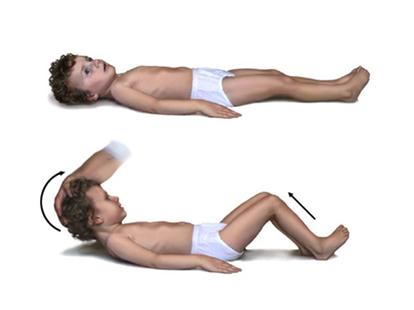
One of the physically demonstrable symptoms of meningitis is Brudzinski's sign. Severe neck stiffness causes a patient's hips and knees to flex when the neck is flexed.

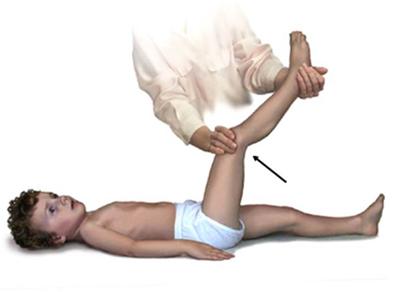
One of the physically demonstrable symptoms of meningitis is Kernig's sign. Severe stiffness of the hamstrings causes an inability to straighten the leg when the hip is flexed to 90 degrees.


If the health care provider thinks you have meningitis, a lumbar puncture (spinal tap) should be done to remove a sample of spinal fluid (cerebrospinal fluid, or CSF) for testing.

Other tests that may be done include:

Treatment

Antibiotics are used to treat bacterial meningitis. The specific type depends on which bacteria is causing the infection. Antibiotics do not treat viral meningitis.

Antiviral medicine may be given to those with herpes meningitis.

Other treatments will include:

  • Fluids through a vein (IV)
  • Medicines to treat symptoms such as brain swelling, shock, and seizures

Outlook (Prognosis)

Early diagnosis and treatment of bacterial meningitis is essential to prevent permanent neurological damage. Viral meningitis is usually not serious, and symptoms should disappear within 2 weeks with no lasting complications.

Possible Complications

  • Brain damage
  • Buildup of fluid between the skull and brain (subdural effusion)
  • Hearing loss
  • Hydrocephalus
  • Seizures

When to Contact a Medical Professional

If you think that you or your child has symptoms of meningitis, get emergency medical help immediately. Early treatment is key to a good outcome.

Prevention

Certain vaccines can help prevent some types of meningitis.

  • Haemophilus vaccine (HiB vaccine) in children helps prevent one type of bacterial meningitis.
  • The pneumococcal conjugate vaccine is now a routine childhood immunization. It is very effective at preventing pneumococcal meningitis.

Household members and others in close contact with people who have meningococcal meningitis should receive antibiotics to prevent becoming infected.

The meningococcal vaccination is recommended for:

  • Adolescents ages 11 - 12 and adolescents entering high school (about age 15) who have not already received the vaccination. A booster shot is given between age 16-18.
  • All college freshmen who have not been vaccinated and are living in dorms.
  • Children age 2 and older who do not have their spleen or who have other problems with their immune system.
  • Those traveling to countries where diseases caused by meningococcus are very common (ask your doctor).


Sourcehttp://www.nlm.nih.gov/medlineplus/ency/article/000680.htm

Содержание

Общая информация

Причины

Симптомы

Диагностика

Лечение

Прогноз

Возможные осложнения

Когда необходимо обратиться к врачу

Профилактика

Синонимы


Общая информация

Язвенно-некротический гингивит («траншейный рот») – это болезненная бактериальная инфекция, протекающая с воспалением и появлением язв на деснах.


Причины

Язвенно-некротический гингивит – одна из форм воспалительных заболеваний десен. Термин «траншейный рот» берет начало со времен Первой мировой войны, когда данное заболевание было широко распространено среди солдат.

В ротовой полости в норме обитают различные бактерии. Язвенно-некротический гингивит возникает при нарушении баланса и чрезмерно быстром росте бактерий в полости рта. Десны инфицируются, и на них появляются болезненные язвы. В патологический процесс также могут вовлекаться вирусы, это способствует еще более быстрому росту бактерий.  

К факторам риска развития заболевания относятся:

  • Эмоциональный стресс
  • Несоблюдение гигиены полости рта
  • Плохое питание
  • Курение
  • Инфекционные заболевания полости рта, горла и зубов.

Это заболевание встречается редко. Чаще всего болеют лица в возрасте 15 – 35 лет.


Симптомы

  • Неприятный запах изо рта
  • Кратерообразные язвы между зубами
  • Лихорадка
  • Неприятный привкус во рту
  • Покраснение и припухлость десен
  • Сероватый налет на деснах
  • Болезненность десен
  • Обильное десневое кровотечение при любом давлении или раздражении

Примечание: Симптомы часто возникают внезапно.


Диагностика

Врач осмотрит полость вашего рта на предмет наличия симптомов язвенно-некротического гингивита:

  • Кратерообразные язвы, заполненные зубным налетом и остатками пищи
  • Разрушение ткани десен вокруг зубов
  • Воспаление десен

Вследствие распада ткани десен в полости рта может скапливаться серый налет. Иногда могут иметь место лихорадка и увеличение лимфатических узлов головы и шеи.

Для определения масштаба инфекционного процесса и оценки поражения тканей может быть проведено рентгенологическое исследование полости рта или лица. 

Это заболевание также может быть диагностировано при помощи взятия мазка из зева для выявления культуры возбудителя.


Лечение

Целью лечения является борьба с инфекцией и облегчение симптомов заболевания. При наличии у вас лихорадки врач может назначить антибиотики.

Соблюдение правил гигиены полости рта является жизненно важным для лечения язвенно-некротического гингивита. Тщательно чистите зубы и используйте зубную нить, по крайней мере, два раза в день, но предпочтительнее после каждого приема пищи и перед сном.

Полоскание полости рта солевым раствором (1/2 чайная ложка соли на 1 стакан воды) поможет успокоить воспаленные десны. Перекись водорода, использующаяся для полоскания десен, часто рекомендуется для удаления омертвевших тканей. Уменьшить воспаление в полости рта также помогают полоскания раствором хлоргексидина.

Обезболивающие лекарственные препараты (анальгетики) помогут облегчить дискомфорт. Успокаивающие полоскания или покрывающие агенты облегчают боль, особенно перед едой. При сильной боли вы можете нанести на десны лидокаин.

Возможно, врач предложит вам посетить стоматолога, чтобы вам провели профессиональную чистку полости рта и удалили налет, это поможет уменьшить болезненность ваших десен. До выздоровления вам может потребоваться частое проведение профессиональной чистки полости рта и осмотров стоматолога.

Для предотвращения повторного возникновения заболевания ваш лечащий врач может дать вам следующие инструкции:

  • Поддерживать хорошее состояние здоровья, в том числе правильно питаться и выполнять физические нагрузки
  • Соблюдать правила гигиены полости рта
  • Уменьшить стресс
  • Бросить курить

Избегайте раздражения полости рта, а именно курения и приема горячей или острой пищи.


Прогноз

Инфекция обычно отвечает на лечение. До момента начала лечения заболевание может протекать довольно болезненно. Если язвенно-некротический гингивит не лечить своевременно, инфекция может распространиться на щеки, губы или челюсти и разрушить эти ткани.


Возможные осложнения

  • Обезвоживание
  • Потеря зубов
  • Боль
  • Периодонтит
  • Распространение инфекции


Когда необходимо обратиться к врачу

Обратитесь к врачу при наличии у вас симптомов язвенно-некротического гингивита или при появлении лихорадки и других симптомов.


Профилактика

Профилактические меры включают в себя:

  • Хорошее общее состояние здоровья
  • Хорошее питание
  • Соблюдение гигиены полости рта, в том числе тщательную чистку зубов и использование зубной нити
  • Борьбу со стрессом
  • Регулярную профессиональную чистку зубов и стоматологические осмотры
  • Отказ от курения


Синонимы

Стоматит Венсана; Острый некротический язвенный гингивит


Зубы человека выполнены из крепкого материала, напоминающего кость. Внутри зуба находятся нервы и кровеносные сосуды. Зубы необходимы нам для выполнения многих видов деятельности, таких как прием пищи, речь и даже улыбка. К заболеваниям зубов относятся такие проблемы, как кариес, инфекции и травмы.

Наиболее частым симптомом, сигнализирующим о наличии проблемы, является зубная боль. Также сюда можно отнести расшатывание и выпадение зубов. При наличии проблем с зубами необходимо своевременно посещать стоматолога. К счастью, многие заболевания зубов можно предотвратить, заботясь о них и поддерживая их в чистоте.

Для того чтобы сохранить полость рта и зубы здоровыми, следуйте следующим рекомендациям:

  • Каждый день чистите зубы зубной пастой, содержащей фтор
  • Каждый день при помощи зубной нити очищайте промежутки между зубами.
  • Ограничьте употребление в пищу сладких закусок
  • Не курите и не жуйте табак
  • Регулярно обращайтесь к стоматологу или гигиенисту


Если у вас заболевание десен, вы не одиноки. В настоящее время у многих взрослых лиц имеется та или иная форма заболевания десен. Она варьирует от простого воспаления, называемого гингивитом, до серьезного повреждения тканей и костей, поддерживающих зубы. В худшем случае заболевание десен может привести к потере зубов.

При гингивите десны становятся красными и припухшими. Они могут легко кровоточить. Гингивит является легкой формой заболеваний десен. Как правило, воспалительный процесс при гингивите регрессирует при ежедневной чистке зубов, использовании зубной нити и регулярном посещении стоматолога или гигиениста. Если гингивит не лечить, может развиться периодонтит. При периодонтите десны отходят от зубов и формируют карманы, которые впоследствии инфицируются. Если заболевание не лечить, это может привести к разрушению костей, десен и соединительной ткани, поддерживающей зубы.