.

аллергия | zdrav.kz
X

Электрондық поштаңызға соңғы жаңалықтарды алыңыз

X

Получайте самые последние новости на свой e-mail

аллергия

Contents

Causes

Symptoms

Exams and Tests

Treatment

Outlook (Prognosis)

When to Contact a Medical Professional


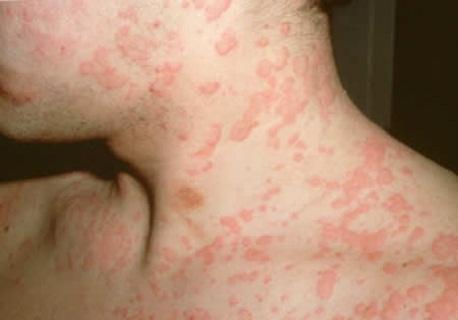
Angioedema is swelling that is similar to hives, but the swelling is under the skin instead of on the surface.

Hives are often called welts. They are a surface swelling. It is possible to have angioedema without hives.

Causes

Angioedema may be caused by an allergic reaction. During the reaction, histamine and other chemicals are released into the bloodstream. The body releases histamine when the immune system detects a foreign substance called an allergen.

In most cases, the cause of angioedema is never found.

The following may cause angioedema:

·         Animal dander (scales of shed skin)

·         Exposure to water, sunlight, cold or heat

·         Foods (such as berries, shellfish, fish, nuts, eggs, and milk)

·         Insect bites

·         Medicines (drug allergy) such as antibiotics (penicillin and sulfa drugs), nonsteroidal anti-inflammatory drugs (NSAIDs), and blood pressure medicines (ACE inhibitors)

·         Pollen

Hives and angioedema may also occur after infections or with other illnesses (including autoimmune disorders such as lupus, and leukemia and lymphoma).

A form of angioedema runs in families and has different triggers, complications, and treatments. This is called hereditary angioedema.

Symptoms

The main symptom is sudden swelling below the skin surface. Welts or swelling on the surface of the skin can also develop.

The swelling usually occurs around the eyes and lips. It may also be found on the hands, feet, and throat. The swelling may form a line or be more spread out.

The welts are painful and may be itchy. This is known as hives (urticaria). They turn pale and swell if irritated. The deeper swelling of angioedema may also be painful.

Other symptoms may include:

·         Abdominal cramping

·         Breathing difficulty

·         Swollen eyes and mouth

·         Swollen lining of the eyes (chemosis)

Exams and Tests

The health care provider will look at your skin and ask if you have been exposed to any irritating substances. If your throat is affected, a physical exam might reveal abnormal sounds (stridor) when you breathe in.

Blood tests or allergy testing may be ordered.

Treatment

Mild symptoms may not need treatment. Moderate to severe symptoms may need to be treated. Breathing difficulty is an emergency condition.

People with angioedema should:

·         Avoid any known allergen or trigger that causes their symptoms.

·         Avoid any medicines, herbs, or supplements that are not prescribed by a provider.

Cool compresses or soaks can relieve pain.

Medicines used to treat angioedema include:

·         Antihistamines

·         Anti-inflammatory medicines (corticosteroids)

·         Epinephrine shots (people with a history of severe symptoms can carry these with them)

·         Inhaler medicines that help open up the airways

If the person has trouble breathing, seek medical help right away. A severe, life-threatening airway blockage may occur if the throat swells.

Outlook (Prognosis)

Angioedema that does not affect the breathing may be uncomfortable. It is usually harmless and goes away in a few days.

When to Contact a Medical Professional

Call your provider if:

·         Angioedema does not respond to treatment

·         It is severe

·         You have never had angioedema before

Go to the emergency room or call the local emergency number (such as 911) if there are any of the following symptoms:

·         Abnormal breathing sounds

·         Difficulty breathing or wheezing

·         Fainting


Source: https://medlineplus.gov/ency/article/000846.htm

Contents

Causes

Home Care

When to Contact a Medical Professional

What to Expect at Your Office Visit


Itching is a tingling or irritation of the skin that makes you want to scratch the area. Itching may occur all over the body or only in one location.

Causes

There are many causes of itching, including:

·         Aging skin

·         Atopic dermatitis (eczema)

·         Contact dermatitis (poison ivy or poison oak)

·         Contact irritants (such as soaps, chemicals, or wool)

·         Dry skin

·         Hives

·         Insect bites and stings

·         Parasites such as pinwormbody licehead lice, and pubic lice

·         Pityriasis rosea

·         Psoriasis

·         Rashes (may or may not itch)

·         Seborrheic dermatitis

·         Sunburn

·         Superficial skin infections such as folliculitis and impetigo

Generalized itching may be caused by:

·         Allergic reactions

·         Childhood infections (such as chickenpox or measles)

·         Hepatitis

·         Iron deficiency anemia

·         Kidney disease

·         Liver disease with jaundice

·         Pregnancy

·         Reactions to medicines and substances such as antibiotics (penicillin, sulfonamides), gold, griseofulvin, isoniazid, opiates, phenothiazines, or vitamin A

Home Care

For itching that does not go away or is severe, see your health care provider.

In the meantime, you can take steps to help deal with the itch:

·         Do not scratch or rub the itchy areas. Keep fingernails short to avoid damaging the skin from scratching. Family members or friends may be able to help by calling attention to your scratching.

·         Wear cool, light, loose bedclothes. Avoid wearing rough clothing, such as wool, over an itchy area.

·         Take lukewarm baths using little soap and rinse thoroughly. Try a skin-soothing oatmeal or cornstarch bath.

·         Apply a soothing lotion after bathing to soften and cool the skin.

·         Use moisturizer on the skin, especially in the dry winter months. Dry skin is a common cause of itching.

·         Apply cold compresses to an itchy area.

·         Avoid prolonged exposure to excessive heat and humidity.

·         Do activities that distract you from the itching during the day and make you tired enough to sleep at night.

·         Try over-the-counter oral antihistamines such as diphenhydramine (Benadryl). Be aware of possible side effects such as drowsiness.

·         Try over-the-counter hydrocortisone cream on itchy areas.

When to Contact a Medical Professional

Call your provider if you have itching that:

·         Is severe

·         Does not go away

·         Cannot be easily explained

Also call if you have other, unexplained symptoms.

With most itching, you do not need to see a provider. Look for an obvious cause of itching at home.

It is sometimes easy for a parent to find the cause of a child's itching. Looking closely at the skin will help you identify any bites, stings, rashes, dry skin, or irritation.

Have the itching checked out as soon as possible if it keeps returning and does not have a clear cause, you have itching all over your body, or you have hives that keep returning. Unexplained itching may be a symptom of a disease that could be serious.

What to Expect at Your Office Visit

Your provider will examine you. You'll also be asked about the itching. Questions may include when it began, how long it has lasted, and whether you have it all the time or only at certain times. You may also be asked about medicines you take, whether you have allergies, or if you have been ill recently.


Source: https://medlineplus.gov/ency/article/003217.htm

What is eczema?

Eczema is a general term for rash-like skin conditions. The most common type of eczema is called atopic dermatitis, which is an allergic reaction. Eczema is often very itchy and when you scratch it, the skin becomes red and inflamed. Eczema affects adults and children, but it is most common in babies.

What is atopic dermatitis?

Atopic dermatitis is a chronic skin condition. "Atopic" describes an inherited tendency to develop dermatitis, asthma and hay fever. "Dermatitis" means that the skin is red and itchy.

When does atopic dermatitis start and how long does it last?

Atopic dermatitis usually starts during infancy and continues into childhood. There are times when the condition gets worse (called flare-ups). Flare-ups are followed by times when the skin will heal and there may be no signs of atopic dermatitis (called remission). Remission can last for weeks, months or even years. Some children will outgrow atopic dermatitis, and others will still have it when they are adults. Flare-ups in adults tend to be less severe.

What are the symptoms?

Atopic dermatitis and eczema may start out as dry, extremely itchy skin. The rash may become very red, swollen and sore. The more you scratch it, the worse it generally gets. A clear fluid may leak from the rash. Eventually, the rash will crust over and start to scale. Common places for the rash are in the elbow creases, behind the knees, on the cheeks, and on the buttocks.

What causes eczema and atopic dermatitis?

You are more likely to have atopic dermatitis or eczema if a family member has it. They aren’t contagious, which means you can't catch them from other people. The exact cause of eczema and atopic dermatitis is unknown.

What can I do if I have eczema or atopic dermatitis?

Your doctor may prescribe a corticosteroid cream or ointment to apply to the rash. This will help reduce itching and calm inflammation. Use it right after bathing. Follow your doctor's directions for using this medicine or check the label for proper use. Call your doctor if your skin does not get better after 3 weeks of using the medicine.

Antihistamines like hydroxyzine that reduce itching can also help make it easier not to scratch. A new class of drugs, called immunomodulators, works well if you have a severe rash. Two drugs in this class are tacrolimus and pimecrolimus. These drugs keep your immune system from overreacting when stimulated by an allergen. Because they affect your immune system, the Food and Drug Administration recommends that these drugs only be used when other treatments won't work.

Avoid scratching or rubbing the itchy area.

Try not to scratch the irritated area on your skin even if it itches. Scratching can break the skin. Bacteria can enter these breaks and cause infection. Moisturizing your skin will help prevent itchiness.

What can I do about eczema and atopic dermatitis?

Eczema and atopic dermatitis can’t be cured, but they can be managed, and you can learn to avoid the things that trigger them.

Limit your contact with things that can irritate your skin.

Some things that may irritate your skin include household cleansers, detergents, aftershave lotions, soap, gasoline, turpentine and other solvents. Try to avoid contact with things that make you break out with eczema. Soaps and wetness can cause skin irritation. Wash your hands only when necessary and use a mild unscented soap such as Dove, Basis or Oil of Olay, especially if you have eczema on your hands. Dry your hands completely after you wash them.

Wear gloves to protect the skin on your hands.

Wear vinyl or plastic gloves for work that requires you to have your hands in water. Also, wear gloves when your hands will be exposed to anything that can irritate your skin. Wear cotton gloves under plastic gloves to soak up sweat from your hands. Take occasional breaks and remove your gloves to prevent a buildup of sweat inside your gloves.

Wear gloves when you go outside during the winter. Cold air and low humidity can dry your skin, and dryness can make your eczema worse.

Wear clothes made of cotton or a cotton blend.

Wool and some synthetic fabrics can irritate your skin.

Care for your skin in the bath or shower.

Bathe only with a mild unscented soap, such as Dove, Basis or Oil of Olay. Use a small amount of soap. Keep the water temperature cool or warm, not hot. Soaking in the tub for a short time can be good for your skin because the skin's outer layer can absorb water and become less dry. Soak for 15 to 20 minutes. Then use a soft towel to pat your skin dry without rubbing. Immediately after drying, apply a moisturizer to your skin. This helps seal in the moisture.

Use a moisturizer on your skin every day.

Moisturizers help keep your skin soft and flexible. They prevent skin cracks. A plain moisturizer is best. Avoid moisturizers with fragrances (perfume) and a lot of extra ingredients. A good, cheap moisturizer is plain petroleum jelly (such as Vaseline). Use moisturizers that are more greasy than creamy, because creams usually have more preservatives in them.

Regular use of a moisturizer can help prevent the dry skin that is common in winter.

Avoid getting too hot and sweaty.

Too much heat and sweat can make your skin more irritated and itchy. Try to avoid activities that make you hot and sweaty.

Learn how to manage stress in your life.

Eczema can flare up when you are under stress. Learn how to recognize and cope with stress. Stress reduction techniques can help. Changing your activities to reduce daily stress can also be helpful.

Continue skin care even after your skin has healed.

The area where you had the eczema may easily get irritated again, so it needs special care. Continue to follow the tips in this handout even after your skin has healed.

Questions to Ask Your Doctor

  • What treatment is best for me?
  • Should I use a steroid cream or ointment?
  • What are the side effects from the steroid cream or ointment?
  • Do I need to take any other medicines?
  • What is the best way to prevent flare-ups from eczema and atopic dermatitis?
  • Is there a certain type of soap I should use?
  • My child has eczema. What kind of moisturizer is best for him/her?
  • How can I keep my child from scratching the rash?
  • I have eczema. Will my children have it?
  • How should I care for the rash if I have a flare-up?


Source: http://familydoctor.org/familydoctor/en/diseases-conditions/eczema-and-atopic-dermatitis.printerview.all.html

Table of content

Causes

Symptoms

Exams and Tests

Treatment

Outlook (Prognosis)

Possible Complications

When to Contact a Medical Professional

Prevention


Anaphylaxis is a life-threatening type of allergic reaction.

Causes

Anaphylaxis is a severe, whole-body allergic reaction to a chemical that has become an allergen. An allergen is a substance that can cause an allergic reaction.

After being exposed to a substance such as bee sting venom, the person's immune system becomes sensitized to it. When the person is exposed to that allergen again, an allergic reaction may occur. Anaphylaxis happens quickly after the exposure. The condition is severe and involves the whole body.

Tissues in different parts of the body release histamine and other substances. This causes the airways to tighten and leads to other symptoms.

Some drugs (morphine, x-ray dye, aspirin, and others) may cause an anaphylactic-like reaction (anaphylactoid reaction) when people are first exposed to them. These reactions are not the same as the immune system response that occurs with true anaphylaxis. But, the symptoms, risk of complications, and treatment are the same for both types of reactions.

Anaphylaxis can occur in response to any allergen. Common causes include:

Pollen and other inhaled allergens rarely cause anaphylaxis. Some people have an anaphylactic reaction with no known cause.

Anaphylaxis is life-threatening and can occur at any time. Risks include a history of any type of allergic reaction.

Symptoms

Symptoms develop quickly, often within seconds or minutes. They may include any of the following:

  • Abdominal pain
  • Feeling anxious
  • Chest discomfort or tightness
  • Diarrhea
  • Difficulty breathing, coughing, wheezing, or high-pitched breathing sounds
  • Difficulty swallowing
  • Dizziness or lightheadedness
  • Hives, itchiness, redness of the skin
  • Nasal congestion
  • Nausea or vomiting
  • Palpitations
  • Slurred speech
  • Swelling of the face, eyes, or tongue
  • Unconsciousness

Exams and Tests

The health care provider will examine the person and ask about what might have caused the condition.

Tests for the allergen that caused anaphylaxis (if the cause is not obvious) may be done after treatment.

Treatment

Anaphylaxis is an emergency condition that needs medical attention right away. Call 911 immediately.

Check the person's airway, breathing, and circulation, which are known as the ABC's of Basic Life Support. A warning sign of dangerous throat swelling is a very hoarse or whispered voice, or coarse sounds when the person is breathing in air. If necessary, begin rescue breathing and CPR.

1.      Call 911.

2.      Calm and reassure the person.

3.      If the allergic reaction is from a bee sting, scrape the stinger off the skin with something firm (such as a fingernail or plastic credit card). Do not use tweezers. Squeezing the stinger will release more venom.

4.      If the person has emergency allergy medicine on hand, help the person take or inject it. Do not give medicine through the mouth if the person is having difficulty breathing.

5.      Take steps to prevent shock. Have the person lie flat, raise the person's feet about 12 inches, and cover the person with a coat or blanket. Do not place the person in this position if a head, neck, back, or leg injury is suspected, or if it causes discomfort.

DO NOT:

  • Do not assume that any allergy shots the person has already received will provide complete protection.
  • Do not place a pillow under the person's head if they are having trouble breathing. This can block the airways.
  • Do not give the person anything by mouth if they are having trouble breathing.

Paramedics or other providers may place a tube through the nose or mouth into the airways. Or emergency surgery will be done to place a tube directly into the trachea.

The person may receive medicines to further reduce symptoms.

Outlook (Prognosis)

Anaphylaxis can be life-threatening without prompt treatment. Symptoms usually do get better with the right therapy, so it is important to act right away.

Possible Complications

Without prompt treatment, anaphylaxis may result in:

When to Contact a Medical Professional

Call 911 if you or someone you know develops severe symptoms of anaphylaxis. Or, go to the nearest emergency room.

Prevention

To prevent allergic reactions and anaphylaxis:

  • Avoid triggers such as foods and medicines that have caused an allergic reaction in the past. Ask detailed questions about ingredients when you are eating away from home. Also carefully examine ingredient labels.
  • If you have a child who is allergic to certain foods, introduce one new food at a time in small amounts so you can recognize an allergic reaction.
  • People who know that they have had serious allergic reactions should wear a medical ID tag.
  • If you have a history of serious allergic reactions, carry emergency medicines (such as a chewable antihistamine and injectable epinephrine or a bee sting kit) according to your provider's instructions.
  • Do not use your injectable epinephrine on anyone else. They may have a condition (such as a heart problem) that could be worsened by this drug.


Source: https://medlineplus.gov/ency/article/000844.htm

Content

Mild symptoms

More-severe symptoms

Anaphylactic shock symptoms

When to see a doctor

Connection between food allergy and latex allergy

What you can do

What to expect from your doctor

What you can do in the meantime


Latex allergy is a reaction to certain proteins found in natural rubber latex, a product made from a milky fluid from rubber trees. If you have a latex allergy, your body mistakes latex for a harmful substance.

Latex allergy may cause allergic reactions ranging from skin irritation to anaphylaxis, a potentially life-threatening condition. Your doctor can determine if you have a latex allergy or if you're at risk of developing a latex allergy.

Understanding latex allergy and knowing common sources of latex can help you prevent allergic reactions.

If you're allergic to latex, you're likely to react after being in contact with the latex in rubber gloves or by inhaling airborne latex particles released when someone removes latex gloves. Latex allergy symptoms range from mild to severe, depending on your sensitivity and the degree of latex allergen exposure. Your reaction can worsen with repeated latex exposure.

Mild symptoms

Mild latex allergy symptoms include:

  • Itching

  • Skin redness

  • Hives or rash

More-severe symptoms

These include:

  • Sneezing

  • Runny nose

  • Itchy, watery eyes

  • Scratchy throat

  • Difficulty breathing

  • Wheezing

  • Cough

Anaphylactic shock symptoms

The most serious allergic reaction to latex is an anaphylactic (an-uh-fuh-LAK-tik) response, which can be deadly. Anaphylactic reactions develop immediately after latex exposure in highly sensitive people, but anaphylaxis rarely happens the first time you're exposed.

Signs and symptoms of anaphylaxis include:

  • Difficulty breathing

  • Hives or swelling

  • Nausea and vomiting

  • Wheezing

  • Drop in blood pressure

  • Dizziness

  • Loss of consciousness

  • Confusion

  • Rapid or weak pulse

When to see a doctor

Seek emergency medical care if you think you're having an anaphylactic reaction.

If you have less severe reactions after exposure to latex, talk to your doctor. If possible, see your doctor when you're reacting, which will aid in diagnosis.

In a latex allergy, your immune system identifies latex as a harmful substance and triggers certain antibodies to fight the allergen. The next time you're exposed to latex, the antibodies signal your immune system to release histamine and other chemicals into your bloodstream, producing a range of signs and symptoms. The more exposure you have to latex, the more strongly your immune system is likely to respond (sensitization).

Latex allergy can occur in these ways:

  • Direct contact. The most common cause of latex allergy involves touching latex-containing products, including latex gloves, condoms and balloons.

  • Inhalation. Latex products, especially gloves, shed latex particles, which you can breathe in when they become airborne. The amount of airborne latex from gloves differs greatly depending on the brand of glove used.

It's possible to have other reactions to latex that aren't allergies to the latex itself. They include:

  • Allergic contact dermatitis. This reaction to the chemical additives used during manufacturing produces signs and symptoms — usually a skin rash similar to that of poison ivy, including blisters — 24 to 48 hours after contact.

  • Irritant contact dermatitis. Not an allergy, this form of dermatitis most likely is an irritation caused by wearing rubber gloves or exposure to the powder inside them. Signs and symptoms include dry, itchy, irritated areas, usually on the hands.

Not all latex products are made from natural sources. Products containing man-made (synthetic) latex, such as latex paint, are unlikely to cause a reaction.

Certain people are at greater risk of developing a latex allergy:

  • People with spina bifida. The risk of latex allergy is highest in people with spina bifida — a birth defect that affects the development of the spine. People with this disorder often are exposed to latex products through early and frequent health care.

  • People who undergo multiple surgeries or medical procedures. Repeated exposure to latex gloves increases your risk of developing latex allergy.

  • Health care workers. If you work in health care, you're at increased risk of developing an allergy.

  • Rubber industry workers. Repeated exposure to latex may increase sensitivity.

  • People with a personal or family history of allergies. You're at increased risk of latex allergy if you have other allergies — such as hay fever or a food allergy — or they're common in your family.

Connection between food allergy and latex allergy

Latex allergy also is related to certain foods, such as avocados, bananas, chestnuts, kiwis and passion fruits. These foods contain some of the same allergens found in latex. If you're allergic to latex, you have a greater chance of also being allergic to these foods.

You're likely to start by seeing your family doctor or a general practitioner. However, you may be referred to a doctor who specializes in allergies (allergist).

Here's some information to help you get ready for your appointment.

What you can do

  • Write down your symptoms, including any that may seem unrelated to the reason for which you scheduled the appointment.

  • Document any exposure to latex, when it occurred and what type of reaction you had.

  • Write down key personal information, including major stresses or recent life changes.

  • Make a list of all medications you're taking, including vitamins and supplements.

  • Take a family member or friend, if possible. Someone who accompanies you may remember something that you missed or forgot.

  • Write down questions to ask your doctor.

Preparing a list of questions before your appointment will help you make the most of your time with your doctor. For latex allergy, some basic questions to ask your doctor include:

  • What is likely causing my symptoms or condition?

  • What are other possible causes for my symptoms or condition?

  • What tests do I need?

  • What's the best treatment?

  • What are the alternatives to the primary approach that you're suggesting?

  • I have these other health conditions. How can I best manage them together?

  • How can I avoid contact with latex?

  • Are there brochures or other printed material that I can have? What websites do you recommend?

Don't hesitate to ask other questions, as well.

What to expect from your doctor

Your doctor is likely to ask you a number of questions, including:

  • When did your symptoms begin?

  • Have your symptoms been continuous or occasional?

  • How severe are your symptoms?

  • Do you have allergies, such as hay fever or allergies to certain foods?

  • Is there a history of allergies in your family?

  • Have you been exposed to latex products?

  • If you had symptoms after wearing latex gloves, how long did it take for the symptoms to develop?

  • What surgeries have you had and when?

What you can do in the meantime

If you suspect you have a latex allergy, try to avoid contact with anything that contains latex.

Your doctor will want to know your history of reacting to latex, as well as other allergy signs and symptoms you've experienced. Your doctor may conduct a physical examination to identify or exclude other medical problems.

He or she may also recommend one or both of the following tests:

  • Skin test. In this test, small amounts of latex are placed on the skin of your forearm or back. Your skin is then pricked with a needle to allow a tiny amount of the applied latex beneath your skin surface. If you're allergic to latex or another substance being tested, you develop a raised bump. Allergists or other doctors experienced in skin testing should perform this test.

  • Blood test. Your blood sample is sent to a medical laboratory, where it can be tested for sensitivity to latex.

Although medications are available to reduce the symptoms of latex allergy, there is no cure. The only way to prevent an allergic reaction is to avoid products that contain latex.

However, despite your best efforts to avoid latex, you may come into contact with it. If you've had a severe allergic reaction to latex, you may need to carry injectable epinephrine with you at all times. If you go into anaphylactic shock, you may need:

  • An emergency injection of adrenaline (epinephrine)

  • A trip to the emergency room

  • Oxygen

  • Corticosteroids

For less severe reactions, your doctor may prescribe antihistamines, which you can take after exposure to latex to control your reaction and help relieve discomfort.

Many common products contain latex, but most have suitable alternatives. Prevent an allergic reaction to latex by avoiding these products:

  • Dishwashing gloves

  • Some types of carpeting

  • Clothing waistbands

  • Balloons

  • Rubber toys

  • Hot water bottles

  • Baby bottle nipples

  • Some disposable diapers

  • Rubber bands

  • Erasers

  • Condoms

  • Diaphragms

  • Swim goggles

  • Racket handles

  • Motorcycle and bicycle handgrips

  • Blood pressure cuffs

  • Stethoscopes

  • Intravenous tubing

  • Syringes

  • Respirators

  • Electrode pads

  • Surgical masks

  • Dental dams

Many health care facilities use nonlatex gloves. However, because other medical products may contain latex or rubber, be sure to tell doctors, nurses, dentists and other health care workers about your allergy before any exams or procedures. Wearing a medical alert bracelet can inform others of your latex allergy.


Source: https://medlineplus.gov/ency/article/000292.htm

Allergic reactions are sensitivities to substances called allergens that come into contact with the skin, nose, eyes, respiratory tract, and gastrointestinal tract. They can be breathed into the lungs, swallowed, or injected.


Considerations

Allergic reactions are common. The immune response that causes an allergic reaction is similar to the response that causes hay fever. Most reactions happen soon after contact with an allergen.

Many allergic reactions are mild, while others can be severe and life threatening. They can be confined to a small area of the body, or they may affect the entire body. The most severe form is called anaphylaxis or anaphylactic shock. Allergic reactions occur more often in people who have a family history of allergies.

Substances that don't bother most people (such as venom from bee stings and certain foods, medicines, and pollens) can trigger allergic reactions in certain people.

First-time exposure may produce only a mild reaction. Repeated exposures may lead to more serious reactions. Once a person has had an exposure or an allergic reaction (is sensitized), even a very limited exposure to a very small amount of allergen can trigger a severe reaction.

Most severe allergic reactions occur within seconds or minutes after exposure to the allergen. Some reactions can occur after several hours, particularly if the allergen causes a reaction after it has been eaten. In very rare cases, reactions develop after 24 hours.

Anaphylaxis is a sudden and severe allergic reaction that occurs within minutes of exposure. Immediate medical attention is needed for this condition. Without treatment, anaphylaxis can get worse very quickly and lead to death within 15 minutes.

Causes

Common allergens include:

  • Animal dander

  • Bee stings or stings from other insects

  • Foods, especially nuts, fish, and shellfish

  • Insect bites

  • Medicines

  • Plants

  • Pollens

Symptoms

Common symptoms of a mild allergic reaction include:

  • Hives (especially over the neck and face)

  • Itching

  • Nasal congestion

  • Rashes

  • Watery, red eyes

 Dermographism close up

 Dermographism on arm

 Hives urticaria body

 Hives urticaria close up

 Hives urticaria


Symptoms of a moderate or severe reaction include:

  • Abdominal pain

  • Abnormal (high-pitched) breathing sounds

  • Anxiety

  • Chest discomfort or tightness

  • Cough

  • Diarrhea

  • Difficulty breathing, wheezing

  • Difficulty swallowing

  • Dizziness or lightheadedness

  • Flushing or redness of the face

  • Nausea or vomiting

  • Palpitations

  • Swelling of the face, eyes, or tongue

  • Unconsciousness

First Aid

For a mild to moderate reaction:

Calm and reassure the person having the reaction. Anxiety can make symptoms worse.

Try to identify the allergen and have the person avoid further contact with it.

1.      If the person develops an itchy rash, apply cool compresses and an over-the-counter hydrocortisone cream.

2.      Watch the person for signs of increasing distress.

3.      Get medical help. For a mild reaction, a health care provider may recommend over-the-counter medications, such as antihistamines.

For a severe allergic reaction (anaphylaxis):

Check the person's airway, breathing, and circulation (the ABC's of Basic Life Support). A warning sign of dangerous throat swelling is a very hoarse or whispered voice, or coarse sounds when the person is breathing in air. If necessary, begin rescue breathing and CPR.

1.      Call Emergency.

2.      Calm and reassure the person.

3.      If the allergic reaction is from a bee sting, scrape the stinger off the skin with something firm (such as a fingernail or plastic credit card). Do not use tweezers -- squeezing the stinger will release more venom.

4.      If the person has emergency allergy medicine on hand, help the person take or inject the medicine. Avoid oral medicine if the person is having difficulty breathing.

5.      Take steps to prevent shock. Have the person lie flat, raise the person's feet about 12 inches (30 centimeters), and cover them with a coat or blanket. Do not place the person in this position if a head, neck, back, or leg injury is suspected or if it causes discomfort.

DO NOT

If a person is having an allergic reaction:

  • Do not assume that any allergy shots the person has already received will provide complete protection.

  • Do not place a pillow under the person's head if he or she is having trouble breathing. This can block the airways.

  • Do not give the person anything by mouth if the person is having trouble breathing.


When to Contact a Medical Professional

Call for emergency medical assistance right away if:

  • The person is having a severe allergic reaction. Do not wait to see if the reaction is getting worse.

  • The person has a history of severe allergic reactions.

Prevention

To prevent allergic reactions:

  • Avoid triggers such as foods and medicines that have caused an allergic reaction in the past. Ask detailed questions about ingredients when you are eating away from home. Carefully check ingredient labels.

  • If you have a child who is allergic to certain foods, introduce 1 new food at a time in small amounts so you can recognize an allergic reaction.

  • People who have had serious allergic reactions should wear a medical ID tag and carry emergency medicines according to your provider's instructions.

  • Do not use your injectable epinephrine on anyone else. They may have a condition (such as a heart problem) that could be made worse by this drug.


Source: https://medlineplus.gov/ency/article/000005.htm

Мазмұны

Тағамдық аллергия қаншалықты жиі кездеседі?

Тағамдық аллергия мен тағамды көтере алмаудың арасындағы айырмашылық қандай?

Тағамдық аллергияның симптомдары қандай?

Себептері және қауіп факторлары

Тағамдық аллергияны қалай емдейді?

Дәрігерге қойылатын сұрақтар


Тағамдық аллергия қаншалықты жиі кездеседі?

Адамдардың 25 % өздерінде белгілі бір тағам өнімдеріне аллергия бар деп ойласа, зерттеулер балалардың 6% және ересектердің 2% ғана тағамдық аллергияға шалдыққандығын растайды.


Тағамдық аллергия мен тағамды көтере алмаудың арасындағы айырмашылық қандай?

Нақты тағамдық аллергия – организмнің иммундық жүйесінің (инфекциямен күресуге қажет) организмге аллергеннің түсуіне жауапты серпіні. Көпшілік жағдайда адамдарда тағамды көтере алмау пайда болады, бұл дегеніміз тағам қабылдаудан туындайтын жағымсыз симптомдардың пайда болуы (бұл кезде иммундық жүйе қамтылмайды).

Мысалы, сүтке аллергия ересектерге қарағанда балаларда жиі кездеседі. Дегенмен, балалардың көпшілігінде сүтке аллергия 2-3 жасқа қарай жойылады. Сүтке аллергияның симптомдарына сүт өнімдерін тұтынғаннан кейін терінің күлдіректенуі, құсу және тыныс алудағы мәселелер жатады. Көптеген ересектерде сүт өнімдеріне аллергияға ұқсайтын симптомдар пайда болуы мүмкін, себебі, ересектерде сүтте болатын қантты (лактоза) қорытуда мәселелер жиі кездеседі. Бұл «лактозаны көтере алмау» деп аталады, бұл аллергия емес, себебі, қандай да бір өнімді көтере алмау иммундық жүйені қамтымайды. Лактозаны көтере алмаудың симптомдарына жататындар – іштің кебуі, түйілуі, жүрек айнуы, шамадан тыс желдену, іштің өтуі.


Тағамдық аллергияның симптомдары қандай?

Тағамдық аллергияның жиі кездесетін симптомдары:

  • Терінің күлдіректенуі (терідегі ісіну секілді)
  • Ісіну
  • Терінің қышуы
  • Ауыздағы қышу немесе шаншу
  • Ауыздағы металл дәмі
  • Жөтел, қиындаған ысқыратындай тыныс алу
  • Көмейдегі қысу сезімі
  • Диарея
  • Құсу


Науқас өзін нашар сезінуі мүмкін, терісі солғын тартып, артериалдық қысымы түскеннен, естен тануы да ықтимал. Тағамдық аллергияға байланысты жиі кездесетін созылмалы аурулар - экзема және астма (демікпе).

Тағамдық  аллергия күштілігіне сай анафилаксия аталатын серпінді туындатқан жағдайда өлім-жітімге де апаруы мүмкін. Бұл серпін кезінде тыныс алу жолдары тежеледі, науқасқа тыныс алу қиынға түседі. Адреналин аталатын инъекцияны уақытылы енгізу өмірді құтқаруы мүмкін.

Егер балада немесе ересекте күшті аллергия болса, дәрігер адамның өздігінше инъекция жасауы үшін арнайы шприц-қаламның көмегімен адреналин салуды тағайындайды. Дәрігер оны қолдануды үйретеді. Егер науқасқа бұл дәрі қажет деп санаса, оны науқас ұдайы өзімен бірге алып жүруі тиіс.

Аллергиялық серпіні бар адамдар «жедел жәрдем» көлігімен аурухананың қабылдау бөліміне жеткізілуі тиіс, себебі, организмге өздігінше енгізілген адреналиннің мөлшері қауіпті болуы мүмкін. Дәрігер қан айналымын, тыныс алуды, заттек алмасуын баяулату үшін адреналин беруі мүмкін.


Себептері және қауіп факторлары

Қандай өнімдер жиі аллергиялық серпінді туындатады?

Аллергия кез келген тағамға пайда болуы мүмкіндігіне қарамастан, көбінесе, аллергендер – жаңғақтар, арахис, сүт, жұмыртқа, соя, бидай, балық және моллюскілер. Осы сегіз өнім тағамдық аллергия пайда болуының 90% жағдайына жауапты. Көпшілік жағдайда аллергия 4 өнімге пайда болады.

Менде тағамдық бояғыштарға немесе жасанды хош иістендіргіштерге аллергия болуы мүмкін бе?

Зерттеулерге сай, кейбір тағамдық қоспалар және жасанды тәттілендіргіштер кейбір адамдардағы аллергияның себебі болуы мүмкін.

Менде қантқа аллергия болуы мүмкін бе?

Жоқ. Тағамдық  аллергия  иммундық жүйес тағам өнімдеріндегі белгілі бір ақуызды «бөгде» санап, оған қарсы күрескенде пайда болады. Бұл майлар мен қанттарға қатысты емес.


Тағамдық аллергияны қалай емдейді?

Науқаста тағамдық аллергия бар екендігі анықталса, оны туындатқан өнімдерді тұтынудан алшақ болу қажет. Егер сізде аллергия болса, және сіз себебін білсеңіз, жейтін өнімдеріңіздің жапсырмаларын оқуыңыз шарт. Дәрігер аллергияны туындататын өнімдерді тұтынудан алшақ болуға үйретеді. Егер балада аллергия болса, мектепке бұл туралы хабарлаңыз, алшақ болатын өнімдердің тізімін беріңіз, сондай-ақ, осындай өнімді кездейсоқ жеп қойған жағдайда алғашқы жәрдем көрсету шаралары туралы айтыңыз.

Жас өскенде тағамдық аллергия өтеді ме?

Көптеген адамдарда жас өскенде сүтке, жұмыртқаға, соя өнімдеріне және бидайға аллергия өтеді, бірақ, барлығында емес. Көбінесе, арахиске, жаңғаққа, балыққа, моллюскілерге аллергия жаспен бірге өтпейді.


Дәрігерге қойылатын сұрақтар

  • Мен өзімде тағамды көтере алмау емес, тағамдық аллергия екендігін қалай білемін?
  • Менде тағамдық аллергия бар. Басқа заттектерге аллергия пайда болуына бейім болуым мүмкін бе?
  • Тағам мен үшін қаупсіздігіне қалай көз жеткіземін?
  • Егер өнімді немесе тағам өнімдерінің тобын рационнан алып тастасам, менде қоректік заттектердің тапшылығы пайда болуы мүмкін бе?
  • Аурухананың барлық дәрігерлері мен қызметкерлері менің аллергиям туралы білетіндігіне қалай көз жеткіземін?
  • Мендегі аллергиялық серпіннің асқынуын қалай білемін?
  • Менде тағамдық  аллергия бар. Анафилаксия қаупі бар ма?
  • Адреналин алуым қажет пе? Оны қалай қолданамын?


Мазмұны

Жалпы ақпарат

Себептері

Симптомдары

Диагностика

Емдеу

Болжамы

Мүмкін асқынулары

Қашан дәрігерге көріну қажет

Алдын алу


Жалпы ақпарат

Менингит – бұл миды және жұлынды жауып тұратын қабықшаның бактериалдық қабынуы.


Себептері

Менингиттің жиі себебі әдетте, емдеусіз өтетін вирустық инфекциялар. Бірақ, бактериалдық инфекциядан болған  менингит – аса күрделі ауру және сәйкес емдегеннің өзінде өлім-жітімге немесе мидың зақымдануына апаруы мүмкін.

Сондай-ақ, менингитің себептері:

  • Химиялық заттектер
  • дәрілік аллергия
  • зеңдер
  • Паразиттер
  • Ісіктер.

вирустық менингиттің көпшілігі энтеровирустан болады, бұл ішектің зақымдану себебі де болуы мүмкін.

Менингиттің пайда болуы себебі басқа да вирустар болуы мүмкін.

  • Менингит герпес вирусынан болуы мүмкін. Бірақ, герпес ойық жарасы немесе гениталдық герпесі бар адамдар менингиттің даму қаупі бар топқа жатпайды.
  • Борықтану (свинка) немесе АИТ (ВИЧ) қоздыратын вирустар - асептикалық менингиттің пайда болуы себебін құрауы мүмкін.


Симптомдары

Вирустық менингит бактериалдықтан жиі кездеседі және жеңіл өтеді. Әдетте, ол жаздың соңында және күздің басында кездеседі. Көбінесе, балалар және 30 жасқа дейінгі ересектер шалдығады.

Бактериалдық менингит – шұғыл медициналық жәрдемді қажет ететін ауру. Бұл жағдайда науқасты дереу ауруханаға жатқызу қажет. Аурудың симптомдары тез дамуы мүмкін және оған кіретіндер:

  • Қызба және қалтырау
  • Психикалық жағдайдың өзгеруі
  • Жүрек айнуы және құсу
  • Жарыққа сезімталдық
  • Күшті бас ауыруы
  • Бұлшық еттің сіресуі (менингизм)

Осы ауру кезінде кездесетін басқа симптомдар:

  • Жүйкелік қозу
  • Балалардың еңбегінің (балалардың қатпаған еңбегі)  ісінуі
  • Назар қоюдың төмендеуі
  • Баланың емшекті нашар емуі немесе тітіркенгіштігі
  • Тыныс алудың жиілеуі
  • Әдеттегідей емес орналасу, бұл кезде басы мен мойны артқа шалқайған (опистотонус)

Менингит жаңа туған сәбилер мен балаларда қызбаның себебі болуы мүмкін.

Өзін сезіну жағдайы бойынша балада бактериалдық немесе вирустық менингит болуын анықтауға болады. Бұл емдеуші дәрігердің міндеті. Менингиттің симптомдарына тиісті назар аударыңыз.


Диагностика

Дәрігер немесе медбике науқасты қарап, тексеріс өткізеді. Тексеру барысында байқалуы мүмкін:

  • Жүрек ырғағының жиілеуі (тахикардия)
  • Қызба  
  • Психикалық жағдайдың өзгеруі
  • Мойын бұлшық етінің сіресуі 

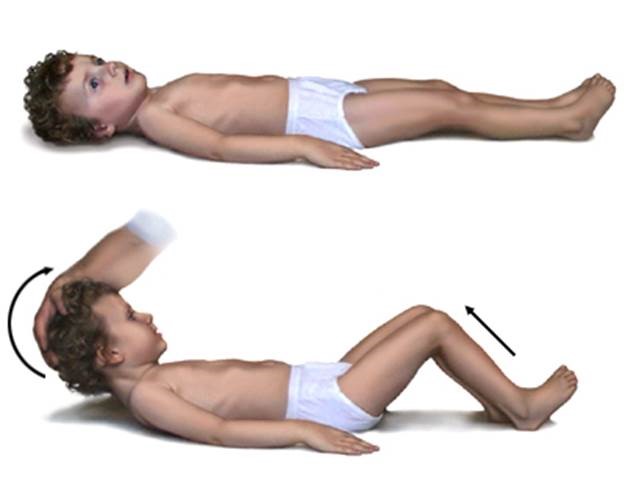
Менингиттің көрнекі симптомдарының бірі - Брудзинский симптомы. Мойын бұлшық етінің айқындалған сіресуінен басты төмен еңкейткенде тізе және жамбас буындары бүгіледі. 

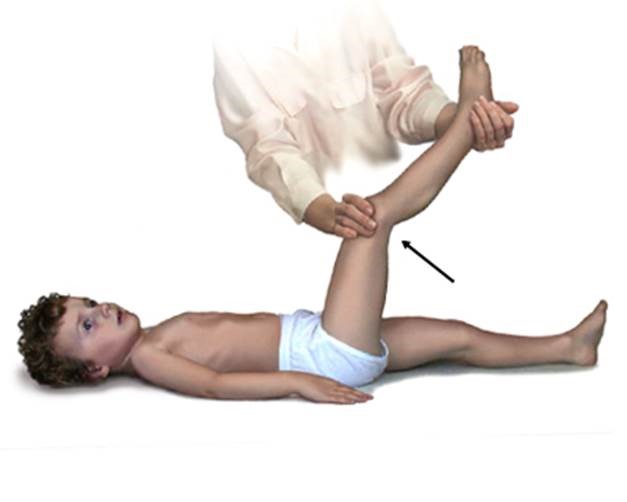
Менингиттің көрнекі симптомдарының бірі - Керниг симптомы. Тізе астылық сіңірдің ширығуы салдарынан науқас 90 градусқа бүгілген  аяғын тікейтіп, жаза алмайды.  

Егер дәрігер Сізде немесе балаңызда менигит бар деп санаса, әрі қарай зерттеу үшін жұлын сарысуының (ликвордың) үлгісін алу үшін жұлын пункциясын өткізу қажет. 

Менингитке күмән болса, сондай-ақ, келесі зерттеу әдістері де жүргізіледі:

  • Қан талдауы
  • Кеуде қуысы ағзаларының шолу рентгенографиясы
  • Мидың компьютерлік томографиясы (КТ).


Емдеу

Бактериалдық менингитті емдеу үшін антибиотиктер тағайындалады. Нақты бактерияға қарсы препаратты таңдау инфекцияны туындатқан бактерияның түріне байланысты. Антибиотиктер вирустық менингитті емдемейді.

Герпестік менингиті бар науқастарға вирусқа қарсы препараттар тағайындалады.  

Емдеудің басқа түрлері:

  • Сұйықтықтарды тамыр арқылы енгізу
  • Мидың ісінуі, шок немесе құрысу секілді симптомдарды емдеу үшін дәрілік препараттарды қабылдау.


Болжамы

Неврологиялық асқынулардың алдын алу үшін бактериалдық менингитті ерте анықтау және сәйкес емдеу қажет. Вирустық менингит әдетте, жеңіл түрде өтеді. Ал симптомдары 2 аптадан кейін қандай да бір асқынуы болмастан жойылуы мүмкін.


Мүмкін асқынулары

  • Мидың зақымдануы
  • Бассүйек пен мидың арасында сұйықтық жиналуы (субдуралдық бөлініс)
  • Естімей қалу
  • Гидроцефалия
  • Құрысу


Қашан дәрігерге көріну қажет

Егер өзіңізде немесе балаңызда менингиттің симптомдары болса, шұғыл медициналық көмекке жүгініңіз. Емдеуді ерте бастау жақсы болжамды береді.


Алдын алу

Кейбір вакциналар менингиттің түрлерінің алдын алуға көмектеседі.

  • Антигемофильдік вакцина (вакцина ХИБ) балалардағы бактериалдық менингиттің сәйкес түрінің алдын алуға көмектеседі.
  •  Пневмококтық конъюгирленген вакцина қазір балаларды міндетті түрде иммунизациялау бағдарламасына кіреді. Пневмококкты  менингиттің алдын алуда аса тиімді.


Менингококты  менингитке шалдыққан науқаспен тығыз қарым-қатынаста болған адамдарға жұқпаланудың алдын алу үшін антибиотиктер тағайындалады.

Менингококты вакцинация ұсынылады:

  • 11 – 12 жастағы жасөспірімдерге және вакцинациядан өтпеген жоғары сыныпты бітірушілерге (15-18 жастағы).
  • Вакцинациядан  өтпеген және жатақханада тұратын колледждің бірінші курс студенттеріне.
  • Көкбауыры жоқ немесе иммундық жүйесінде басқа мәселелер бар 2 жастағы немесе одан асқан балаларға.
  •  Менингококқа байланысты аурулар кең таралған елге шығатын адамдарға (дәрігермен кеңесіңіз). 


Остановите аллергию путем одновременного лечения всех ее проявлений

Как известно, аллергия является не только весенним заболеванием и характеризуется поражением не только слизистой оболочки носа.  Если аллергическое воспаление развивается в легких, это называется астмой. Аллергическое воспаление кожи – это экзема, глаз – аллергический конъюнктивит, слизистой оболочки носа – аллергический ринит.

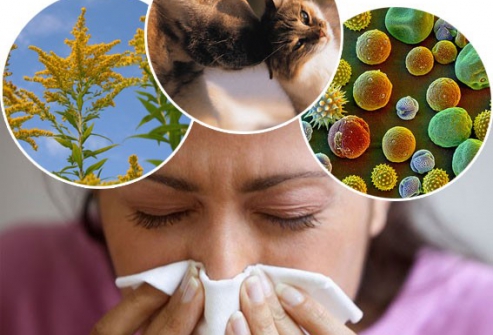
An allergy is a reaction by your immune system to something that does not bother most other people. People who have allergies often are sensitive to more than one thing. Substances that often cause reactions are

  • Pollen
  • Dust mites
  • Mold spores
  • Pet dander
  • Food
  • Insect stings
  • Medicines

Normally, your immune system fights germs. It is your body's defense system. In most allergic reactions, however, it is responding to a false alarm. Genes and the environment probably both play a role.

Allergies can cause a variety of symptoms such as a runny nose, sneezing, itching, rashes, swelling, or asthma. Allergies can range from minor to severe. Anaphylaxis is a severe reaction that can be life-threatening. Doctors use skin and blood tests to diagnose allergies. Treatments include medicines, allergy shots, and avoiding the substances that cause the reactions.


Allergy to pollen

Each spring, summer, and fall, trees, weeds, and grasses release tiny pollen grains into the air. Some of the pollen ends up in your nose and throat. This can trigger a type of allergy called hay fever.

Symptoms can include

  • Sneezing, often with a runny or clogged nose
  • Coughing and postnasal drip
  • Itching eyes, nose and throat
  • Red and watery eyes
  • Dark circles under the eyes

Your health care provider may diagnose hay fever based on a physical exam and your symptoms. Sometimes skin or blood tests are used. Taking medicines and using nasal sprays can relieve symptoms. You can also rinse out your nose, but be sure to use distilled or sterilized water with saline. Allergy shots can help make you less sensitive to pollen and provide long-term relief.


Food Allergy

Food allergy is an abnormal response to a food triggered by your body's immune system.

In adults, the foods that most often trigger allergic reactions include fish, shellfish, peanuts, and tree nuts, such as walnuts. Problem foods for children can include eggs, milk, peanuts, tree nuts, soy, and wheat.

Symptoms of food allergy include

  • Itching or swelling in your mouth
  • Vomiting, diarrhea, or abdominal cramps and pain
  • Hives or eczema
  • Tightening of the throat and trouble breathing
  • Drop in blood pressure

Your health care provider may use a detailed history, elimination diet, and skin and blood tests to diagnose a food allergy.

When you have food allergies, you must be prepared to treat an accidental exposure. Wear a medical alert bracelet or necklace, and carry an auto-injector device containing epinephrine (adrenaline).

You can only prevent the symptoms of food allergy by avoiding the food. After you and your health care provider have identified the foods to which you are sensitive, you must remove them from your diet.


Allergy to Medicines

Most of the time, medicines make our lives better. They reduce aches and pains, fight infections, and control problems such as high blood pressure or diabetes. But medicines can also cause unwanted reactions.

One problem is interactions, which may occur between

  • Two drugs, such as aspirin and blood thinners
  • Drugs and food, such as statins and grapefruit
  • Drugs and supplements, such as gingko and blood thinners
  • Drugs and diseases, such as aspirin and peptic ulcers

Interactions can change the actions of one or both drugs. The drugs might not work, or you could get side effects.

Side effects are unwanted effects caused by the drugs. Most are mild, such as a stomach aches or drowsiness, and go away after you stop taking the drug. Others can be more serious.

Drug allergies are another type of reaction. They can be mild or life-threatening. Skin reactions, such as hives and rashes, are the most common type.

When you start a new prescription or over-the-counter medication, make sure you understand how to take it correctly. Know which other medications and foods you need to avoid. Ask your health care provider or pharmacist if you have questions.


Source: http://www.nlm.nih.gov/medlineplus/allergy.html