Hepatitis C infection is caused by the hepatitis C virus (HCV).
You can catch hepatitis C if the blood of someone who has hepatitis C enters your body. Exposure may occur:
· After a needle stick or sharps injury
· If blood from someone who has hepatitis C contacts a cut on your skin or contacts your eyes or mouth
People at risk of hepatitis C are those who:
· Inject street drugs or share a needle with someone who has hepatitis C
· Have been on long-term kidney dialysis
· Have regular contact with blood at work (such as a health care worker)
· Have unprotected sexual contact with a person who has hepatitis C
· Were born to a mother who had hepatitis C
· Received a tattoo or acupuncture with needles that were not disinfected properly after being used on another person (risk is very low with practitioners who have a tattoo license or permit or an acupuncture license)
· Received an organ transplant from a donor who has hepatitis C
· Share personal items, such as toothbrushes and razors, with someone who has hepatitis C (less common)
Most people who are recently infected with hepatitis C do not have symptoms in most cases. Some people have yellowing of the skin (jaundice) that goes away. Chronic infection often causes no symptoms. But tiredness, skin disorders and other problems can occur.
Persons who have long-term (chronic) infection often have no symptoms until their liver becomes scarred (cirrhosis). Most people with this condition are ill and have many health problems.
The following symptoms may occur with hepatitis C infection:
· Enzyme immunoassay (EIA) to detect hepatitis C antibody
· Hepatitis C RNA assays to measure virus levels (viral load)
Everyone born from 1945 to 1965 (the baby boomer generation) should get a one-time test for hepatitis C.
Genetic testing is done to check for the type of hepatitis C (genotype). There are six types of the virus (genotypes 1 through 6). Test results can help your health care provider choose treatment that is best for you.
The following tests are done to identify and monitor liver damage from hepatitis C:
Most people (75% to 85%) who are infected with the virus develop chronic hepatitis C. This condition poses a risk for cirrhosis, liver cancer, or both. The outlook for hepatitis C depends in part on the genotype.
A good response to treatment occurs when the virus can no longer be detected in the blood 12 weeks or more after treatment. This is called "sustained virologic response" (SVR). Up to 90% of those treated for some genotypes have this type of response.
Some people do not respond to initial treatment. They may need to be re-treated with a different drug regimen.
Also, some people can become re-infected or infected with a different genotype strain.
Steps that can be taken to help prevent the spread of hepatitis C from one person to another include:
· Health care workers should follow precautions when handling blood.
· Do not share needles with anyone.
· Do not get tattoos or body piercings or receive acupuncture from someone who does not have a permit or license.
· Do not share personal items, such as razors and toothbrushes.
· Practice safer sex.
If you or your partner is infected with hepatitis C and you have been in a stable and monogamous (no other partners) relationship, the risk of giving the virus to, or getting the virus from, the other person is low.
HCV cannot be spread by casual contact, such as holding hands, kissing, coughing or sneezing, breastfeeding, sharing eating utensils or drinking glasses.
Hepatitis B infection is caused by the HBV. You can catch hepatitis B through contact with the blood or body fluids (semen, vaginal fluids, and saliva) of a person who has the virus.
Exposure may occur:
· After a needlestick or sharps injury
· If any blood or other body fluid touches your skin, eyes or mouth, or open sores or cuts
People who may be at risk of hepatitis B are those who:
· Have unprotected sex with an infected partner
· Receive blood transfusions (not common in the United States)
· Have contact with blood at work (such as health care workers)
· Have been on long-term kidney dialysis
· Get a tattoo or acupuncture with unclean needles
· Share needles during drug use
· Share personal items (such as toothbrush, razor, and nail clippers) with a person who has the virus
· Were born to a hepatitis-B infected mother
All blood used for blood transfusions is screened, so the chance of getting the virus in this way is very small.
· You may feel sick for a period of days or weeks.
· You may become very ill very quickly (called fulminant hepatitis).
Symptoms of hepatitis B may not appear for up to 6 months after the time of infection. Early symptoms include:
· Appetite loss
· Fatigue
· Low fever
· Muscle and joint aches
· Nausea and vomiting
· Yellow skin and dark urine
Symptoms will go away in a few weeks to months if your body is able to fight off the infection. Some people never get rid of the HBV. This is called chronic hepatitis B.
People with chronic hepatitis may not have symptoms and not know they are infected. Over time, they may develop symptoms of liver damage and cirrhosis of the liver.
You can spread the HBV to other people even if you have no symptoms.
A series of blood tests called the hepatitis viral panel is done for suspected hepatitis. It can help detect:
· New infection
· Older infection that is still active
· Older infection that is no longer active
The following tests are done to look for liver damage if you have chronic hepatitis B:
· Albumin level
· Liver function tests
· Prothrombin time
You will also have a test to measure the level of HBV in your blood (viral load). This lets your health care provider know how your treatment is working.
People at higher risk for hepatitis should be screened with a blood test. This may be needed even when they have no symptoms. Factors that lead to increased risk include:
· The risk factors described above in the Causes section.
· People from countries where a higher number of people have hepatitis B. These countries or areas include Japan, some Mediterranean countries, parts of Asia and the Middle East, West Africa and South Sudan.
Acute hepatitis, unless severe, needs no treatment. Liver and other body functions are watched using blood tests. You should get plenty of bed rest, drink plenty of fluids, and eat healthy foods.
Some people with chronic hepatitis may be treated with antiviral drugs. These medicines can decrease or remove hepatitis B from the blood. One of the medicines is an injection called interferon. They also help to reduce the risk of cirrhosis and liver cancer.
It is not always clear which people with chronic hepatitis B should receive drug therapy and when it should be started. You are more likely to receive these medicines if:
· Your liver function is quickly becoming worse.
· You develop symptoms of long-term liver damage.
· You have high levels of the HBV in your blood.
For these medicines to work best, you need to take them as instructed by your provider. Ask what side effects you can expect and what to do if you have them. Not everybody who needs to take these medicines responds well.
If you develop liver failure, you may be considered for a liver transplant. A liver transplant is the only cure in some cases of liver failure.
Other steps you can take:
· Avoid alcohol.
· Check with your provider before taking any over-the-counter medicines or herbal supplements. This includes medicines such as acetaminophen, aspirin, or ibuprofen.
Severe liver damage, or cirrhosis, can be caused by hepatitis B.
The acute illness most often goes away after 2 to 3 weeks. The liver most often returns to normal within 4 to 6 months in most people.
Almost all newborns and about half of children who get hepatitis B develop the chronic condition. Very few adults who get the virus develop chronic hepatitis B.
About 1 in 100 people who get hepatitis B dies from the condition.
There is a much higher rate of liver cancer in people who have chronic hepatitis B.
Children and people at high risk for hepatitis B should get the hepatitis B vaccine.
· Babies should get a first dose of the hepatitis B vaccine at birth. They should have all 3 shots in the series by age 6 to 18 months.
· Children younger than age 19 who have not had the vaccine should get "catch-up" doses.
· Health care workers and those who live with someone who has hepatitis B should get the vaccine.
· Infants born to mothers who have acute hepatitis B or have had the infection in the past should get a special hepatitis B vaccine within 12 hours of birth.
The hepatitis B vaccine or a hepatitis B immune globulin (HBIG) shot may help prevent infection if you receive it within 24 hours of contact with the virus.
Measures to avoid contact with blood and body fluids can help prevent the spread of hepatitis B from person-to-person.
Термин гепатиты относится к нескольким синдромам и заболеваниям, вызывающим воспалительные изменения в печени, включая заболевания, вызываемые вирусами и злоупотреблением алкоголя. К вирусам, которые вызывают гепатиты, относятся вирусы гепатита А, В, С, Е и фактор дельта. Каждый из вышеперечисленных вирусов вызывает своеобразные симптомы, отличающиеся друг от друга. Наиболее распространенной формой вирусного гепатита является гепатит В.
Большинство лиц, которые заражаются вирусом гепатита В избавляются от данного вируса в течение 6 месяцев. Однако у около 10 процентов людей, зараженных вирусом гепатита В, заболевание переходит в хроническую форму, которая может вызывать значительные изменения в печени, приводя к циррозу печени – тяжелому и необратимому заболеванию
Некоторые лица с хронической инфекцией могут никогда и не проявлять симптомов заболевания. Такие лица являются «носителями» вируса и, сами того не подозревая, они могут легко заражать окружающих.
Гепатит В передается через кровь и другие жидкости. Передача инфекции может происходить в следующих обстоятельствах:
При контакте с кровью и другими биологическими материалами – при этом медработники, такие как врачи, медсестры, стоматологи, находятся под риском заражения
При половом контакте без использования средств индивидуальной защиты
При переливании крови
При обмене нестерильными иглами потребителями инъекционных наркотиков
При татуировке и иглоукалывании, когда используются нестерильные инструменты
Во время родов, когда вирус может передаваться от матери к ребенку.
При остром гепатите первые симптомы появляются спустя 1 – 6 месяцев после заражения. Ранние симптомы включают: тошноту, рвоту, потерю аппетита, слабость, боли в мышцах и костях. Затем появляется желтуха с темной мочой и обесцвеченным калом.
Диагностика гепатитов предусматривает проведение следующих тестов:
Определение поверхностного антигена вируса – HbsAg. Это самый первый признак. Поверхностный антиген обычно исчезает через 1 – 2 месяца.
Антитела к антигену Anti-HBc появляются в течение 1-2 недель после появления поверхностного антигена.
Антитела к поверхностному антигену (Anti-HBs) обнаруживаются в крови у тех, кто перенес гепатит В или у тех, кто провакцинировался против гепатита В.
Как Anti-HBc, так и Anti-HBs присутствуют в крови у больных, которые когда-либо перенесли гепатит В.
Определение так называемых печеночных ферментов (трансаминаз), уровень которых в крови повышается при нарушении функции печени.
Уровень альбумина в крови может уменьшаться, а время свертывания крови может удлиняться при нарушении функции печени.
Лечение. Необходимо тщательно наблюдать за больным с острым гепатитом. При тяжелых формах рекомендуется ограничивать прием белков с пищей, поскольку печень может не справиться с утилизацией белка.
Хронический гепатит лечится путем уменьшения воспалительного процесса. Для этого применяют интерферон и другие препараты. В тяжелых случаях прибегают к трансплантации печени.
Термин гепатиты относится к нескольким синдромам и заболеваниям, вызывающим воспалительные изменения в печени, включая заболевания, вызываемые вирусами и злоупотреблением алкоголя. К вирусам, которые вызывают гепатиты, относятся вирусы гепатита А, В, С, Е и фактор дельта. Каждый из вышеперечисленных вирусов вызывает своеобразные симптомы, отличающиеся друг от друга.
Гепатит С также носит название гепатита ни А ни В. Гепатит С вызывается вирусом гепатита С (HCV).
К факторам риска заражения вирусом гепатита С относятся следующие:
Переливание крови, продуктов крови и пересадка органов от доноров, которые имеют или имели гепатит С
Использование игл для инъекций, зараженных вирусом гепатита С
Использование предметов быта людей зараженных гепатитом С - зубной щеткой, бритвой и др.
Ребенок, родившийся от матери с гепатитом С
Симптомы. Многие лица, зараженные гепатитом С, могут не проявлять никаких симптомов заболевания. Часто инфекция обнаруживается во время профилактических осмотров. Если инфекция присутствовала в течение длительного времени, может развиться цирроз печени, который может явиться первым, хотя и поздним проявлением заболевания. Следующие симптомы могут явиться проявлением гепатита С:
Диагностика осуществляется при помощи следующих тестов:
Исследование крови на антиген вируса
Иммуноферментный анализ для определения антител к вирусу гепатита С
ПЦР (полимеразная цепная реакция) для определения вируса
Определение так называемых печеночных ферментов (трансаминаз), уровень которых в крови повышается при нарушении функции печени.
Биопсия печени для микроскопической оценки степени поражения печеночной ткани.
Лечение.Лечение. На сегодняшний день в мире доступно множество препаратов, которые позволяют излечиться от гепатита С. Данные препараты не применяются отдельно, и должны комбинироваться друг с другом. В Казахстане официально одобрены к применению двойные и тройные схемы лечения. Двойная схема – это комбинация таблеток рибавирина и подкожных еженедельных инъекций пегилированного интерферона. Тройная схема – это добавление к двойной терапии третьего компонента, например телапревира или боцепревира. Несмотря на то, что добавление телапревира или боцепревира сопровождается увеличением побочных эффектов, это позволяет значительно повысить эффективность лечения с 50 до 80%. Пациенты, которые уже в прошлом получали двойную терапию и не излечились, могут быть перелечены только тройной терапией.


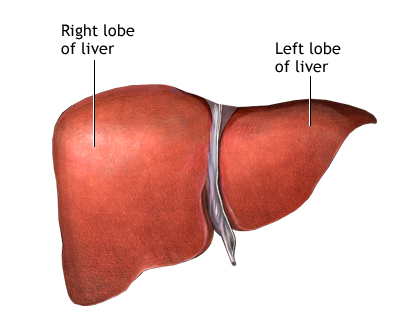
 Британские ученые оценили состояние здоровья известного киногероя шпиона и предрекли ему раннюю смерть из-за злоупотребления спиртными напитками.