Врачи в срочном порядке призывают к принятию необходимых регламентирующих документов в поддержку деятельности по регулированию вопросов, связанных с пищевыми добавками.
Toxic nodular goiter involves an enlarged thyroid gland. The gland contains areas that have increased in size and formed nodules. One or more of these nodules produce too much thyroid hormone.
Toxic nodular goiter starts from an existing simple goiter. It occurs most often in older adults. Risk factors include being female and over 55 years old. This disorder is rare in children. Most people who devaelop it have had a goiter with nodules for many years.
Sometimes, people with toxic multinodular goiter will develop high thyroid levels for the first time. This mostly occurs after they take in a large amount of iodine through a vein (intravenously) or by mouth. The iodine may be used as contrast for a CT scan or heart catheterization. Taking medicines that contain iodine, such as amiodarone, may also lead to the disorder.
Beta-blockers (propranolol) can control some of the symptoms of hyperthyroidism until thyroid hormone levels in the body are under control.
Certain drugs can block or change how the thyroid gland uses iodine. These drugs may be used to control the overactive thyroid gland in any of the following cases:
· Before surgery or radioiodine therapy occurs
· As a long term treatment
Radioiodine therapy may be used. Radioactive iodine is given by mouth. It then concentrates in the overactive thyroid tissue and causes damage. Some people, but not all, may need to take thyroid replacement afterwards.
Surgery to remove the thyroid may be done when:
· Very large goiter or a goiter is causing symptoms by blocking the airway
Toxic nodular goiter is mainly a disease of older adults, so other chronic health problems may affect the outcome of this condition. An older adult may be less able to tolerate the effect of the disease on the heart. However, the condition is often treatable with medicines.
Thyroid crisis or storm is an acute worsening of hyperthyroidism symptoms. It may occur with infection or stress. Thyroid crisis may cause:
· Abdominal pain
· Decreased mental alertness
· Fever
People with this condition need to go to the hospital right away.
Complications of having a very large goiter may include difficulty breathing or swallowing. These complications are due to pressure on the airway passage (trachea) or esophagus, which lies behind the thyroid.
Брови человека сигнализируют не только об интересе, удивлении или недовольстве. Если наружная треть бровей начала редеть – пора проверять щитовидную железу.
Брови человека сигнализируют не только об интересе, удивлении или недовольстве. Если наружная треть бровей начала редеть – пора проверять щитовидную железу.
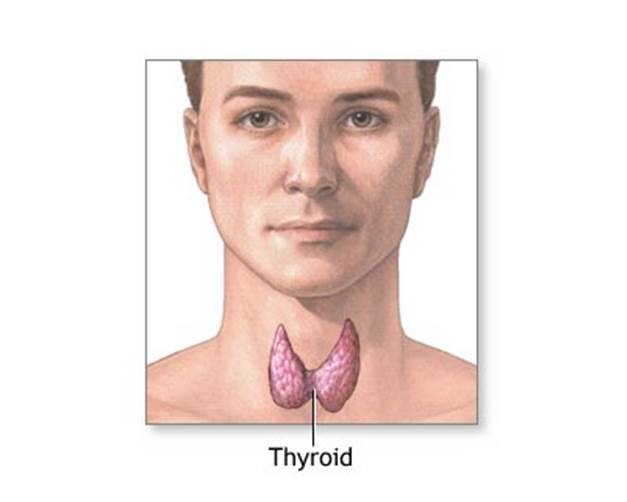
The thyroid gland is an important organ of the endocrine system. It is located at the front of the neck just above where your collarbones meet. The gland makes the hormones that control the way every cell in the body uses energy. This process is called metabolism.
The thyroid gland, a part of the endocrine (hormone) system, plays a major role in regulating the body's metabolism.
Many diseases and conditions can cause hyperthyroidism, including:
Treatment depends on the cause and severity of symptoms. Hyperthyroidism is usually treated with one or more of the following:
Antithyroid medications
Radioactive iodine to destroy the thyroid gland and stop the excess production of hormones
Surgery to remove the thyroid
If your thyroid is removed with surgery or destroyed with radioactive iodine, you must take thyroid hormone replacement pills for the rest of your life.
Medicines called beta-blockers may be prescribed to treat symptoms such as fast heart rate, sweating, and anxiety until the hyperthyroidism can be controlled.
Thyroid crisis (storm) is a sudden worsening of hyperthyroidism symptoms that may occur with infection or stress. Fever, decreased alertness, and abdominal pain may occur. Patients need to be treated in the hospital.
Other complications of hyperthyroidism include:
Heart problems such as fast heart rate, abnormal heart rhythm, and heart failure
Osteoporosis
Surgery-related complications, including:
Scarring of the neck
Hoarseness due to nerve damage to the voice box
Low calcium level due to damage to the parathyroid glands (located near the thyroid gland)
Call your health care provider if you have symptoms of hyperthyroidism. Go to an emergency room or call the local emergency number (such as 911) if you have:
Change in consciousness
Dizziness
Rapid, irregular heartbeat
Call your health care provider if you are being treated for hyperthyroidism and you develop symptoms of underactive thyroid, including:
Гипертиреоз - это заболевание, характеризующееся повышенной выработкой гормонов щитовидной железы. Часто заболевание также называют гиперфункцией щитовидной железы.
Щитовидная железа является важным органом эндокринной системы. Она расположена по передней поверхности шеи, чуть выше места соединения ключиц. Железа вырабатывает гормоны, управляющие процессом использования энергии каждой клеткой организма. Этот процесс называется метаболизмом.
Щитовидная железа – часть эндокринной (гормональной) системы – играет большую роль в регуляции метаболизма в организме.
Причиной возникновения гипертиреоза могут быть следующие состояния:
Употребление в пищу большого количества продуктов, содержащих йод
Болезнь Грейвса (наиболее распространенная причина гипертиреоза)
Возникновение воспаления щитовидной железы (тиреоидит) при вирусных инфекциях, приеме некоторых лекарственных препаратов или после беременности
Доброкачественное новообразование щитовидной железы или гипофиза
Некоторые опухоли яичек или яичников
Прием большого количества гормонов щитовидной железы
Проведение визуализирующих методов обследования с использованием контрастного вещества, содержащего йод
Выбор тактики лечения зависит от причины и тяжести симптомов. Гипертиреоз обычно лечится при помощи одной или нескольких из следующих методик:
Антитиреоидные лекарственные препараты
Радиоактивный йод для разрушения ткани щитовидной железы и прекращения избыточной выработки гормонов
Хирургическая операция по удалению щитовидной железы
Если щитовидная железа удаляется хирургическим путем или разрушается радиоактивным йодом, вы будете в течение всей жизни принимать замещающую терапию препаратами щитовидной железы.
Для лечения таких симптомов гипертиреоза, как учащенный пульс, потливость и чувство беспокойства могут быть назначены лекарственные препараты из группы бета-блокаторов.
Гипертиреоз поддается лечению. В некоторых случаях он может пройти и без лечения.
Гипертиреоз, вызванный болезнью Грейвса, обычно прогрессирует постепенно. У него много осложнений, некоторые из которых являются серьезными и могут повлиять на качество жизни.
Кризом называется внезапное ухудшение симптомов гипертиреоза, связанное с инфекцией или стрессом. При этом могут появиться лихорадка, снижение внимания и боль в животе. Пациенты должны лечиться в условиях стационара.
К другим осложнениям заболевания относятся:
Заболевания сердца, такие как учащение сердечного ритма, аритмия или сердечная недостаточность
Остеопороз
К осложнениям, связанным с хирургическим вмешательством, относятся:
Рубец на шее
Охриплость вследствие повреждения голосовых связок
Низкий уровень кальция в крови вследствие повреждения паращитовидных желез (расположены около щитовидной железы)
Обратитесь к врачу при наличии у вас симптомов гипертиреоза. Обратитесь в службу оказания экстренной медицинской помощи по телефону 103 при наличии следующих симптомов:


 Брови человека сигнализируют не только об интересе, удивлении или недовольстве. Если наружная треть бровей начала редеть – пора проверять щитовидную железу.
 Брови человека сигнализируют не только об интересе, удивлении или недовольстве. Если наружная треть бровей начала редеть – пора проверять щитовидную железу.