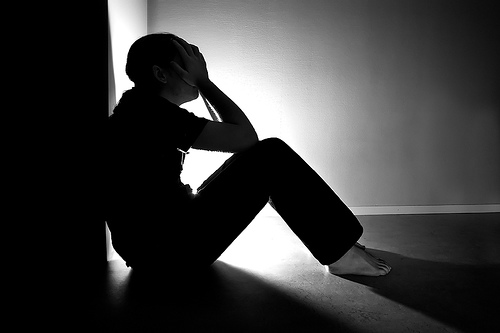
Депрессия – күрделі эмоционалдық (аффективті) бұзылыс, бұл кезде ұдайы уайым, мұң, ашулану, фрустрация (тілектің мүмкіндікке сай болмауы), күштің болмауы адамның күнделікті өміріне теріс әсер етеді. Клиникалық депрессия апталар, айлар, жылдар бойы созылуы мүмкін.
Көпшілік адамдар өмірінің белгілі бір сәттерінде қысқа мерзімді депрессияның қандай да бір түрін басынан кешіреді.
Депрессияның пайда болуының нақты себептері белгісіз. Көптеген медик-ғалымдардың ойынша, ауру күйзелістен кейін мида химиялық өзгерістер нәтижесінде пайда болады. Тұқым қуалау бейімділігі де бар. Көбінесе, депрессияға осы факторлардың бірігуі апарады. Депрессия отбасында ешкімде мұндай бұзылыс болмаса да пайда болуы мүмкін. Депрессия кез келген адамда, тіпті, балада да пайда болуы мүмкін.
Келесі факторлар депрессияның пайда болуына ықпал етуі мүмкін:
· Белгілі бір аурулар, гипотиреозды қоса (қалқанша без қызметінің төмендеуі), қатерлі ісік, ұдайы ауырсынуға апаратын аурулар;
· Ұйқыдағы мәселелер (ұйқысыздық, түнгі үрейлі түстер);
· Алкогольді немесе есірткі заттектерге үйір болу;
· Кейбір дәрілерді тұтыну, мысалы, стероидтарды (преднизолон).
Депрессияға апаратын өмірдегі жиі күйзеліс жағдайлары:
· Сүйікті адаммен қоштасу;
· Емтихан тапсыра алмау;
· Жақын адамның қайтыс болуы немесе ауыруы;
· ажырасу;
· бала кездегі зорлық көру, немесе ата-ана жағынан назар қоюдың жетіспеуі;
· жұмысты жоғалту;
· әлеуметтік оқшаулану (жалғыздық), әдетте, егде жастағы адамдарда болады.
Депрессия өзін-өзі бағалауды бұзуы, өмірді нашарлатып, қоршаған ортадағы адамдардың өміріне зиян келтіруі мүмкін.
Депрессияға шалдыққан адамдар әдетте, өмірді күңгірт, көңілсіз күйде көреді. Көбінесе, науқас қандай да бір мәселенің немесе жағдайдың оң шешіміне сенбейді.
Депрессияның симптомдары:
· толқу, мазасыздық, ашушаңдық;
· қоршаған әлемнен аулақтану, оқшаулану;
· жәрдемсіздік және үмітсіздік;
· қажетсіздік, өзін жек көру немесе кінәлі сезіну;
· бұрын қанағаттану әкелетін күнделікті әрекетке қызығушылықты немесе қанағаттануды жоғалту;
· қандай да бір затқа зейін қоюдың қиындауы;
· тәбеттің өзгерісі, көбінесе, депрессияға салмақ қосу қосарланады;
· шаршау, энергияның жетіспеуі;
· ұйқтай алмау немесе тым көп ұйқтау;
· өлім немесе өзіне қол жұмсау туралы ойлар.
Депрессия сыртынан мұң сезімі емес, ызалану және айыптау секілді көрінуі мүмкін.
Егер депрессия аса ауыр болса, күрделі симптомдары, мысал, елестеу (жоқ заттар мен дыбыстарды шынайы қабылдау) және сандырақ пайда болуы мүмкін.
Дәрігер әдетте, аурудың симптомдары мен ұзақтығы туралы көбірек ақпарат алу үшін бірқатар сұрақтар қояды. Дәрігер психологиялық тестілерге жауап беруді ұсынады. Науқастың белгілі бір сұрақтарға жауаптары маманға дұрыс диагноз қоюға және депрессияның ауырлық дәрежесін анықтауға көмектеседі.
Депрессияға алып келген ауруды анықтау үшін кейде электроэнцефалография (мидың электр белсенділігін анықтау) қолданылады.
· антидепрессантарды – мидағы көңіл-күйді көтеруге жауап беретін өзіндік химиялық дәрілік құралдарды қабылдау. Депрессияға шалдыққан науқаста олар көңіл-күйді жақсартады, уайымды, үрейді, эмоционалдық ширығуды басады, психикалық белсенділікті арттырады, ұйқыны, тәбетті реттейді. Бұл препараттардың көпшілігі тиімді, бірақ, жанама әсері болады.
Егер депрессия шағын болса, емдеудің бір түрі ғана қажет болуы мүмкін. Депрессияның ауыр түріне шалдыққан адамдар емдеудің бірнеше түрінің бірігуіне мұқтаж болады. Сауығу үшін белгілі бір уақыт кетеді, бірақ, әдетте, сауығу емдеудің басынан бірнеше күн өткенде байқала бастайды.
Науқаста өзіне қол жұмсау ойлары пайда болса, басыңқылық және қарапайым әрекетті орындай алмау күшейгенде арнайы (психиатриялық) ауруханада емделу қажет болады.
Депрессияда кейбір науқастарға антидепрессанттарды қабылдаудан 2 апта өткенде жақсару пайда болады. Дегенмен, көптеген науқастарға жағдайдың жақсаруы және қайта ұстамалардың алдын алу үшін дәрілерді 4-9 ай қабылдау қажет болуы мүмкін.
· Қабылдайтын дәрі көмектеспейтіндей немесе, керісінше, жанама әсерінің туындайтындай болып көрінеді. Препаратты қабылдауды өздігінше тоқтатуға болмайды, мұндай шешімді дәрігер қабылдауы тиіс.
· Депрессияның қайта ұстамалары пайда болса.
· Депрессия жағдайы жұмысқа, мектепке, отбасына теріс әсер етеді.
· Өзіне немесе қоршаған адамдарға зиян әкелу ойлары пайда болса.
· Есту елестері пайда болса, қасында жоқ адамдардың дауысын есту орын алса.
Алкоголь немесе есірткі заттектерді қабылдаудан бас тартыңыз, себебі, бұл депрессияны ушықтырып, өзіне қол жұмсауға итермелеуі мүмкін.
Дәрігер тағайындаған дәріні қабылдаңыз. Дәрігерден дәрілердің мүмкін жанама әсері және бұл кезде не істеу қажеттігі туралы сұраңыз. Депрессияның ушығуының ерте сигналдарын танып үйреніңіз.
Келесі әрекеттер өзін жақсы сезінуге көмектесуі мүмкін:
· Дене белсенділігіне көбірек уақыт бөлу
· Ұйқының дұрыс тәртібін қадағалау
· Қанағаттану сезімін әкелетін қызметпен айналысу
· Сенетін адаммен әңгімелесу
· Өзіңізді бағалайтын, кең пейілді адамдардың арасында болу.
Ақпарат көзі: АҚШ Ұлттық денсаулық институттарының мәліметтер қоры:
A decreased appetite is almost always seen among elderly adults, and no physical cause may be found. But emotions such as sadness, depression, or grief can lead to a loss of appetite.
Cancer can also cause decreased appetite. You may lose weight without trying. Cancers that may cause you to lose your appetite include:
People with cancer or a chronic illness need to increase their protein and calorie intake by eating high-calorie, nutritious snacks or several small meals during the day. Liquid protein drinks may be helpful.
Family members should try to supply favorite foods to help stimulate the person's appetite.
Keep a record of what you eat and drink for 24 hours. This is called a diet history.
Call your health care provider if you are losing a lot of weight without trying.
Seek medical help if decreased appetite occurs along with other signs of depression, drug or alcohol abuse, or an eating disorder.
For loss of appetite caused by taking medications, ask your health care provider about changing the dosage or drug. Do not stop taking medications without first talking to your health care provider.
The health care provider will perform a physical exam and will check your height and weight.
The health care provider will ask about diet and medical history. Questions may include:
· Is the decreased appetite severe or mild?
· Have you lost any weight? How much?
· Is the decreased appetite a new symptom?
· If so, did it start after an upsetting event, such as the death of a family member or friend?
· What other symptoms are present?
Tests may be done to determine the cause of decreased appetite. These may include imaging tests, such as x-ray or ultrasound. Blood and urine tests may also be ordered.
In cases of severe malnutrition, nutrients are given through a vein (intravenously). This may require a hospital stay.
Bipolar disorder is a mental condition in which a person has wide or extreme swings in their mood. Periods of feeling sad and depressed may alternate with periods of being very happy and active or being cross or irritable.
Bipolar disorder affects men and women equally. It most often starts between ages 15 and 25. The exact cause is not known. But it occurs more often in relatives of people with bipolar disorder.
In most people with bipolar disorder, there is no clear cause for the periods (episodes) of extreme happiness and high activity or energy (mania) or depression and low activity or energy (depression). The following may trigger a manic episode:
· Help you function well and enjoy your life at home and at work
· Prevent self-injury and suicide
MEDICINES
Medicines are a key part of treating bipolar disorder. Most often, the first medicines used are called mood stabilizers. They help you avoid mood swings and extreme changes in activity and energy levels.
With medicines, you may begin to feel better. For some, symptoms of mania may feel good. Or side effects from the medicines may occur. As a result, you may be tempted to stop taking your medicine or change the way you are taking them. But stopping your medicines or taking them in the wrong way can cause symptoms to come back or become much worse. DO NOT stop taking or change the dosages of your medicines. Talk with your provider first, if you have questions about your medicines.
Ask family members or friends to help you take medicines the right way. This means taking the right dose at the right time. They can also help make sure that episodes of mania and depression are treated as soon as possible.
If mood stabilizers do not help, your provider may suggest other medicines, such as antipsychotics or antidepressants.
You will need regular visits with a psychiatrist to talk about your medicines and their possible side effects. Blood tests are often needed too.
OTHER TREATMENTS
Electroconvulsive therapy (ECT) may be used to treat the manic or depressive phase if it does not respond to medicine.
People who are in the middle of a severe manic or depressive episode may need to stay in a hospital until they are stable and their behavior is under control.
SUPPORT PROGRAMS AND TALK THERAPY
Joining a support group may help you and your loved ones. Involving family members and caregivers in your treatment may help reduce the chance of symptoms returning.
Important skills you may learn at such programs include how to:
· Cope with symptoms that continue even while you are taking medicines
· Get enough sleep and stay away from recreational drugs
· Take medicines correctly and manage side effects
· Watch for the return of symptoms, and know what to do when they return
· Find out what triggers the episodes and avoid these triggers
Talk therapy with a mental health provider may be helpful for people with bipolar disorder.
Periods of depression or mania return in most people, even with treatment. People may also have issues with alcohol or drug use. They may also have problems with relationships, school, work, and finances.
Suicide is a very real risk during both mania and depression. People with bipolar disorder who think or talk about suicide need emergency attention right away.
Согласно результатам исследования, опубликованного в медицинском журнале Neurology, вероятность заболеть болезнью Паркинсона у людей, страдающих от депрессии, выше в три раза.
Уборка и организация пространства в доме способствует не только эстетическому восприятию. Приберитесь и вы почувствуете, что избавились от чувства тревоги и волнения.
Тяжелая форма депрессии не только негативно сказывается на самочувствии человека, но также может ускорить процессы старения в организме на клеточном уровне.


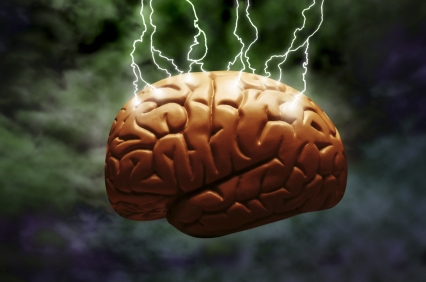 Ученые из Нидерланд обнаружили способ избавления людей от негативных воспоминаний и синжения симптомов
  Согласно результатам исследования, опубликованного в медицинском журнале Neurology, вероятность заболеть