.

доброкачественная гиперплазия предстательной железы | zdrav.kz
X

Электрондық поштаңызға соңғы жаңалықтарды алыңыз

X

Получайте самые последние новости на свой e-mail

доброкачественная гиперплазия предстательной железы

Об увеличении простаты у мужчин (гиперплазии предстательной железы)

Примерно к 25 годам у мужчин начинает расти предстательная железа. Это естественное увеличение называется доброкачественной гиперплазией предстательной железы. Если мужчина живет достаточно долго, вероятность того что он столкнется с данной проблемой увеличивается.

Contents

Causes

Symptoms

Exams and Tests

Treatment

Possible Complications

When to Contact a Medical Professional


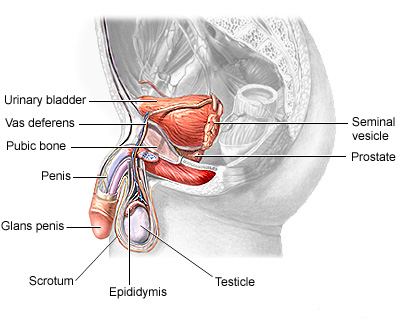
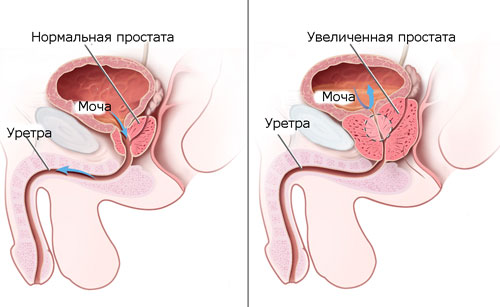
The prostate is a gland that produces the fluid that carries sperm during ejaculation. The prostate gland surrounds the urethra, the tube through which urine passes out of the body.

Male reproductive anatomy

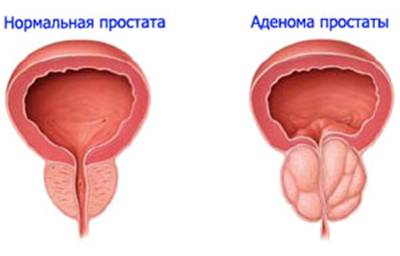
An enlarged prostate means the gland has grown bigger. Prostate enlargement happens to almost all men as they get older. As the gland grows, it can press on the urethra and cause urination and bladder problems.

An enlarged prostate is often called benign prostatic hyperplasia (BPH). It is not cancer, and it does not raise your risk for prostate cancer.


Causes

The actual cause of prostate enlargement is unknown. Factors linked to aging and changes in the cells of the testicles may have a role in the growth of the gland. Men who have had their testicles removed at a young age (for example, as a result of testicular cancer) do not develop BPH.

Also, if the testicles are removed after a man develops BPH the prostate begins to shrink in size.

Some facts about prostate enlargement:

  • The likelihood of developing an enlarged prostate increases with age.
  • BPH is so common that it has been said all men will have an enlarged prostate if they live long enough.
  • A small amount of prostate enlargement is present in many men over age 40. More than 90% of men over age 80 have the condition.
  • No risk factors have been identified other than having normally functioning testicles.


Symptoms

Less than half of all men with BPH have symptoms of the disease. Symptoms may include:

  • Dribbling at the end of urinating
  • Inability to urinate (urinary retention)
  • Incomplete emptying of your bladder
  • Incontinence
  • Needing to urinate two or more times per night
  • Pain with urination or bloody urine (these may indicate infection)
  • Slowed or delayed start of the urinary stream
  • Straining to urinate
  • Strong and sudden urge to urinate
  • Weak urine stream


Exams and Tests

Your doctor will ask you questions about your medical history and do a digital rectal exam to feel the prostate gland. Other tests you may have include:

  • Urine flow rate
  • Post-void residual urine test to see how much urine is left in your bladder after urination
  • Pressure flow studies to measure the pressure in the bladder as you urinate
  • Urinalysis to check for blood or infection
  • Urine culture to check for infection
  • Prostate-specific antigen (PSA) blood test to screen for prostate cancer
  • Cystoscopy

You may be asked to fill out a form to rate how bad your symptoms are and how much they affect your daily life. Your doctor can use this score to judge if your condition is getting worse over time.


Treatment

The treatment you choose will be based on how bad your symptoms are and how much they bother you. Your doctor will also take into account other medical problems you may have.

Treatment options include "watchful waiting," lifestyle changes, medicines, or surgery.

If you are over 60, you are more likely to have symptoms. But many men with an enlarged prostate have only minor symptoms. Self-care steps are often enough to make you feel better.

If you have BPH, you should have a yearly exam to monitor your symptoms and see if you need changes in treatment.

SELF-CARE

For mild symptoms:

  • Urinate when you first get the urge. Also, go to the bathroom when you have the chance, even if you don't feel a need to urinate.
  • Avoid alcohol and caffeine, especially after dinner.
  • Don't drink a lot of fluid all at once. Spread out fluids during the day. Avoid drinking fluids within 2 hours of bedtime.
  • Try NOT to take over-the-counter cold and sinus medicines that contain decongestants or antihistamines. These drugs can increase BPH symptoms.
  • Keep warm and exercise regularly. Cold weather and lack of physical activity may worsen symptoms.
  • Learn and perform Kegel exercises (pelvic strengthening exercises).
  • Reduce stress. Nervousness and tension can lead to more frequent urination.

MEDICINES

Alpha 1-blockers are a class of drugs that are also used to treat high blood pressure. These medicines relax the muscles of the bladder neck and prostate. This allows easier urination. Most people who take alpha 1-blockers notice improvement in their symptoms. .

Finasteride and dutasteride lower levels of hormones produced by the prostate. These drugs also reduce the size of the gland, increase urine flow rate, and decrease symptoms of BPH. You may need to take these medicines for 3 to 6 months before you notice symptoms getting better. Possible side effects include decreased sex drive and impotence.

Antibiotics may be prescribed to treat chronic prostatitis (inflammation of the prostate), which may occur with BPH. BPH symptoms improve in some men after a course of antibiotics.

SAW PALMETTO

Many herbs have been tried for treating an enlarged prostate. Many men use saw palmetto to ease symptoms. Some studies have shown that it may help with symptoms, but results are mixed and more research is needed. If you use saw palmetto and think it works, ask your doctor if you should still take it.

SURGERY

Prostate surgery may be recommended if you have:

  • Incontinence
  • Recurrent blood in the urine
  • Inability to fully empty the bladder (urinary retention)
  • Recurrent urinary tract infections
  • Decreasing kidney function
  • Bladder stones

The choice of a specific surgical procedure is usually based on the severity of your symptoms and the size and shape of your prostate gland.

Transurethral resection of the prostate(TURP): This is the most common and most proven surgical treatment for BPH. TURP is performed by inserting a scope through the penis and removing the prostate piece by piece.

Simple prostatectomy: An open prostatectomy is usually performed using general or spinal anesthesia. An incision is made through the abdomen or perineum (the area behind the scrotum). Only the inner part of the prostate gland is removed. The outer portion is left behind. This is a long procedure. Most people need to stay in the hospital for 5 to 10 days. This treatment is most often done on men who have very large prostate glands.

Most men who have prostate surgery have improvement in urine flow rates and symptoms.

Other, less-invasive procedures use heat to destroy prostate tissue. None have been proven to be better than TURP. Patients who receive these procedures are more likely to need surgery again after 5 or 10 years. However, these procedures may be a choice for:

  • Younger men (many of the less-invasive procedures carry a lower risk for impotence and incontinence than TURP, although the risk with TURP is not very high)
  • Elderly patients
  • Patients with severe medical conditions, including uncontrolled diabetes, cirrhosis, alcoholism,psychosis, and serious lung, kidney, or heart disease
  • Men who are taking blood-thinning drugs


Possible Complications

Men who have had BPH for long time with slowly worsening symptom may develop:

  • Sudden inability to urinate
  • Urinary tract infections
  • Urinary stones
  • Damage to the kidneys
  • Blood in the urine

BPH may come back over time even after having surgery.


When to Contact a Medical Professional

Call your doctor right away if you have:

  • Less urine than usual
  • Fever or chills
  • Back, side, or abdominal pain
  • Blood or pus in your urine

Also call your doctor if:

  • Your bladder does not feel completely empty after you urinate.
  • You take medicines that may cause urinary problems such as diuretics, antihistamines, antidepressants, or sedatives. Do NOT stop or change your medicines without talking to your doctor
  • You have tried self-care steps for 2 months and symptoms have not improved.


Source: https://www.nlm.nih.gov/medlineplus/ency/article/000381.htm


Аденома простаты или доброкачественная гиперплазия предстательной железыдоброкачественное новообразование, развивающееся из железистого эпителия либо стромального компонента простаты.

Причины появления

Настоящие причины появления аденомы простаты неизвестны.  Наиболее вероятной причиной возникновения заболевания является старение. Также известно, что росту железистого эпителия способствует гиперактивность яичек.  Известно, что мужчины, которым удалили яички в молодом возрасте (например, из-за рака) не страдают от аденомы простаты. Боле того, если яички удалены после того как мужчина заболел аденомой простаты, то размер простаты начинает уменьшаться.

Факты о гиперплазии предстательной железы:

Вероятность развития заболевания увеличивается с возрастом.

Аденома простаты – настолько распространенное заболевание, что считается, что любой мужчина рано или поздно будет страдать от недуга, если проживет достаточно долго.

Небольшое увеличение простаты наблюдается у многих мужчин в возрасте 40 лет и более чем у 90 процентов мужчин старше 80 лет.

Никаких факторов риска появления заболевания выявлено не было до сих пор, кроме нормальной функции яичек.

Симптомы

Менее половины мужчин, страдающих от аденомы простаты, испытывают симптомы заболевания, в которые входят:

  • Капельное выделение мочи в конце мочеиспускания
  • Невозможность произвести мочеиспускание
  • Неполное высвобождение мочевого пузыря во время мочеиспускания
  • Недержание мочи
  • Необходимость ходить в туалет по нескольку раз посреди ночи
  • Боль при мочеиспускании, моча с кровью (может сигнализировать об инфекции)
  • Замедленный старт или задержка мочеиспускательного потока
  • Затрудненное мочеиспускание
  • Сильные и внезапные позывы к мочеиспусканию
  • Слабая струя мочи

Диагностика

После изучения полной истории болезни врач может произвести  пальцевое исследование через прямую кишку с тем, чтобы оценить состояние предстательной железы, в частности, ее размеры. Могут быть также произведены следующие тесты:

  • Измерение скорости потока мочи
  • Тест на остаточный объем мочи после мочеиспускания
  • Изучение давления в мочевом пузыре
  • Анализ образцов мочи на возможные инфекции
  • Анализ на наличие специфического антигена простаты  (PSA) для диагностики рака простаты
  • Цистоскопия

Также врач может попросить пациента заполнить анкету, в которой ему необходимо будет оценить тяжесть собственных симптомов и их влияние на свою жизнь. Набранное количество баллов в ходе подобного теста, может быть сравнено с предыдущими результатами для определения, происходит ли ухудшение состояния больного.

Лечение

Способ лечения зависит от тяжести симптомов и степени их влияния на жизнь человека, а также наличия каких-либо других сопутствующих заболеваний. Варианты лечения включают в себя "выжидательную тактику", изменение образа жизни, назначение медицинских препаратов или хирургическое вмешательство.

Если человеку за 60, то вероятность наличия симптомов болезни высока. Но у многих мужчин с увеличенной простатой наблюдаются лишь незначительные симптомы и в большинстве случаев достаточно ограничиться уходом за самим собой.

Но если у пациента обнаружена аденома простаты, то ему необходимо каждый год проходить диагностику, мониторировать дальнейшее прогрессирование симптомов и принимать необходимые изменения в лечении, если таковые потребуются.

Самоуход

При легких симптомах:

  • Высвобождать мочевой пузырь при первых позывах. Также чаще ходить в туалет, даже если нет сильного желания.
  • Избегать употребления алкоголя или кофеина (особенно после ужина).
  • Не выпивать за раз много жидкости. Равномерно распределить прием жидкости в течение дня. Воздержаться от приема жидкости за 2 часа перед сном.
  • Попытаться не принимать противоотечные средства или антигистаминные препараты  во время простуды и синусита. Подобные лекарства могут усилить симптомы аденомы предстательной железы.
  • Стараться находиться в тепле и вести физически активный образ жизни. Холодная погода и отсутствие физических нагрузок могут ухудшить симптомы.
  • Научиться выполнять упражнения Кегеля (упражнения для укрепления мышц таза).
  • Уменьшить стресс, так как нервозность и напряжение могут привести к частой потребности в мочеиспускании.


Источник: https://www.nlm.nih.gov/medlineplus/ency/article/000381.htm