Көзге түсетін бөгде заттардың көпшілігі (нысандар) – топырақ, кірпік немесе киімнің қылдары секілді шағын бөлшектер. Қауіптісі – металдың бөлшектері немесе басқа нысандар, көзге үлкен жылдамдықпен түсетін. Олар механикалық аспаптардан, газоншапқыштан немесе қарудан ұшқан заттар болуы мүмкін. Олар күрделі жарақат туындатуы мүмкін.
Көздің жарақаты қан кетуін, қарашықтың өлшемінің өзгеруін, көзбұршақтың бұлыңғырлануын, көрудің нашарлауын немесе көрудің өзгеруін туындатуы мүмкін. Бөгде заттар көзге терең енуі мүмкін. Мұндайда оларды қозғамау қажет. Оларды көз маманы алуы тиіс (офтальмолог).
Шағын өлшемді нысандарды алып тастау үшін не істеу қажет? Алдымен, көзді сүртуге болмайды. Қолды мұқият жуу қажет. Жақсы жарықта көзді мұқият қарау қажет. Егер нысан көзде көрінсе, оны сумен шаюға болады. нысан жоғарғы немесе төменгі қабақта болуы мүмкін. Мұндайда қабақты ашып тұрып, мақта тығынды қолданумен қабақ астынан затты абайлап алып тастауға болады. көздің үстінен заттарды алып тастауға мақта тығынды қолдануға болмайды.
Егер бөгде затты көзден үй жағдайында алып тастауға келмесе, көзді таза таңғышпен жауып (көзді қыспаңыз), дәрігерге көріну қажет. Егер бөгде затты алып тастасаңыз, бірақ, біраздан кейін көзде бірнәрсе қалғандай сезім пайда болса, мөлдірқабық зақымдануы мүмкін. Бұл жағдайда дәрігерге міндетті түрде бару қажет.
Көзге енген заттарды алып тастау үшін не істеу қажет? Затты көзде қалдыру қажет, оны ҚОЗҒАУҒА БОЛМАЙДЫ. Көзді таза таңғышпен жауып (көзді қыспаңыз), шұғыл түрде дәрігерге көріну қажет.
Shock is a life-threatening condition that occurs when the body is not getting enough blood flow. Lack of blood flow means that the cells and organs do not get enough oxygen and nutrients to function properly. Many organs can be damaged as a result. Shock requires immediate treatment and can get worse very rapidly. As many 1 in 5 people who suffer shock will die from it.
A person in shock has extremely low blood pressure. Depending on the specific cause and type of shock, symptoms will include one or more of the following:
Take the following steps if you think a person is in shock:
· Call 911 for immediate medical help.
· Check the person's airway, breathing, and circulation. If necessary, begin rescue breathing and CPR.
· Even if the person is able to breathe on their own, continue to check rate of breathing at least every 5 minutes until help arrives.
· If the person is conscious and does NOT have an injury to the head, leg, neck, or spine, place the person in the shock position. Lay the person on the back and elevate the legs about 12 inches (30 centimeters). Do NOT elevate the head. If raising the legs will cause pain or potential harm, leave the person lying flat.
· Give appropriate first aid for any wounds, injuries, or illnesses.
· Keep the person warm and comfortable. Loosen tight clothing.
IF THE PERSON VOMITS OR DROOLS
· Turn the head to one side to prevent choking. Do this as long as you do not suspect an injury to the spine.
· If a spinal injury is suspected, "log roll" the person instead. To do this, keep the person's head, neck, and back in line, and roll the body and head as a unit.
Learn ways to prevent heart disease, falls, injuries, dehydration, and other causes of shock. If you have a known allergy (for example, to insect bites or stings), carry an epinephrine pen. Your health care provider will teach you how and when to use it.
The earlobe is the most common body piercing. Other common places to pierce include the eyebrow, nose, tongue, lip, belly button, nipples and genitals. Some people also pierce their ear cartilage (the hard part around the ear).
For piercing earlobes, a single-use, sterilized piercing gun is typically used to insert an earring into the earlobe. For other parts of the body, a hollow needle is used to pierce a hole in the skin. The person performing the piercing then inserts a piece of jewelry into the hole.
An autoclave is a type of sterilization machine that uses heat to sterilize all non-disposable piercing tools. The autoclave helps make sure that all tools are clean before they touch your body. It is an important piece of equipment in a clean, reputable piercing shop.
Piercing guns are considered safe only if they are either single-use guns or guns that have sterilized disposable cassettes. A single-use piercing gun is best because it means that it is only used on one customer and then thrown away, which decreases the risk of infection. Piercing guns with sterilized disposable cassettes are also considered acceptable, but are more difficult to sterilize than single-use piercing guns.
Do not receive a piercing from a reusable piercing gun that does not have sterilized disposable cassettes. These types of piercing guns cannot be autoclaved, which increases the risk of infection.
You should also not have a piercing performed with a piercing gun on any other part of your body except your ear. Doing so can crush the skin and cause more injury than a piercing performed with a hollow needle.
If your piercing is infected, the skin around the pierced area may be red and swollen. It may hurt when you touch your piercing. You may have a yellowish, foul-smelling discharge coming from the piercing. If you have a fever or experience any of these symptoms, you should see your family doctor.
Many things can affect your body’s immune system and your ability to fight infection. Be sure to tell the person piercing you if you have diabetes, heart problems, a weakened immune system or any other medical conditions. If you take steroids or blood thinners, talk to your doctor before you get a piercing.
It is very important to see your family doctor if you think you might have an infection. Delaying treatment can result in a more serious infection. Be sure to leave your jewelry in unless your doctor tells you to take it out. Leaving the jewelry in can ensure proper drainage and prevent an abscess (a collection of pus) from forming. In many cases, the infection can be treated without losing the piercing.
Minor infections may be treated with the following:
· Over-the-counter medicines that you rub on your skin, such as an antibiotic ointment
· A warm compress applied to the irritated piercing
Make sure you take care of your piercing. The person performing your piercing will probably recommend cleaning the area with warm water and soap twice a day, as well as using a liquid medicated cleanser and gently moving the piercing around. For a tongue or lip piercing, you will need to use an antibacterial mouth rinse after meals to prevent infection.
If you are going to have a piercing done, do some research to find a clean, safe piercing shop. Choose a professional with a good reputation to perform the piercing. The person doing the piercing should:
Do not pierce yourself or let anyone pierce you who is not a professional. This will help prevent infection. Select the body site and jewelry carefully. Avoid jewelry made or nickel or brass, which can cause allergic reactions. Look for jewelry made of titanium, 14-carat gold or surgical-grade steel.
· Wash his or her hands with a germicidal soap before doing the piercing
Stop any bleeding before applying a dressing to the wound. Apply pressure to the area using a clean and dry absorbent material – such as a bandage, towel or handkerchief – for several minutes.
If the cut is to your hand or arm, raise it above your head to help reduce the flow of blood.
If the injury is to a lower limb, lie down and raise the affected area above the level of your heart.
Clean the wound and apply a dressing
When the wound has stopped bleeding, clean it and cover it with a dressing to help stop it becoming infected.
To do this:
wash and dry your hands thoroughly
clean the wound under drinking-quality running tap water – avoid using antiseptic as it may damage the skin and slow healing
Call Emergency or visit your local walk-in centre, minor injuries unit or GP surgery if there's a risk your wound could become infected, or you think it's already infected.
A wound is at risk of infection if:
it has been contaminated with dirt, pus or other bodily fluids
there was something in the wound before it was cleaned, such as gravel or a shard of glass
you're bleeding from an artery – blood from an artery comes out in spurts with each beat of the heart, and is bright red and usually hard to control
you experience persisting or significant loss of sensation near the wound or you're having trouble moving any body parts
you have received a severe cut to the face – you may require urgent treatment to prevent scarring
you have received a cut to the palm of your hand and it looks infected – these types of infection can spread quickly
there's a possibility a foreign body is still inside the wound
the wound is very large or the injury has caused a lot of tissue damage
In A&E, your wound will be examined to determine whether there's any risk of infection. You may need a booster injection to prevent tetanus, and your wound may be closed with stitches, strips or special glue before a dressing is applied.
If your wound is at risk of infection, it won't usually be closed because this may trap any infection inside. Instead, it will be packed with a non-sticky dressing before being covered with a protective dressing until it's safe to close.
Gastrointestinal (GI) bleeding refers to any bleeding that starts in the gastrointestinal tract.
Bleeding may come from any site along the GI tract, but is often divided into:
· Upper GI bleeding: The upper GI tract includes the esophagus (the tube from the mouth to the stomach), stomach, and first part of the small intestine.
· Lower GI bleeding: The lower GI tract includes much of the small intestine, large intestine or bowels, rectum, and anus.
The amount of GI bleeding may be so small that it can only be detected on a lab test such as the fecal occult blood test. Other signs of GI bleeding include:
· Dark, tarry stools
· Larger amounts of blood passed from the rectum
· Small amounts of blood in the toilet bowl, on toilet paper, or in streaks on stool (feces)
· Vomiting blood
Massive bleeding from the GI tract can be dangerous. However, even very small amounts of bleeding that occur over a long period of time can lead to problems such as anemia or low blood counts.
Once a bleeding site is found, many therapies are available to stop the bleeding or treat the cause.
Your provider may discover GI bleeding during an exam at your office visit.
GI bleeding can be an emergency condition that requires immediate medical care. Treatment may involve:
· Blood transfusions
· Fluids and medicines through a vein
· Esophagogastroduodenoscopy (EGD). A thin tube with a camera on the end is passed through your mouth into your esophagus, stomach, and small intestine
· A tube is placed through your mouth into the stomach to drain the stomach contents (gastric lavage)
Once your condition is stable, you will have a physical exam and a detailed exam of your abdomen. You will also be asked questions about your symptoms, including:
· When did you first notice symptoms?
· Did you have black, tarry stools or red blood in the stools?
· Have you vomited blood?
· Did you vomit material that looks like coffee grounds?
· Do you have a history of peptic or duodenal ulcers?
· Have you ever had symptoms like this before?
· What other symptoms do you have?
Tests that may be done include:
· Abdominal CT scan
· Abdominal MRI scan
· Abdominal x-ray
· Angiography
· Bleeding scan (tagged red blood cell scan)
· Blood clotting tests
· Capsule endoscopy (camera pill that is swallowed to look at the small intestine)
· Colonoscopy
· Complete blood count (CBC), clotting tests, platelet count, and other laboratory tests
Up to 1 in 4 women have vaginal bleeding at some time during their pregnancy. Bleeding is more common in the first 3 months (first trimester), especially with twins.
Von Willebrand disease is caused by a deficiency of von Willebrand factor. Von Willebrand factor helps blood platelets clump together and stick to the blood vessel wall, which is necessary for normal blood clotting. There are several types of von Willebrand disease.
A family history of a bleeding disorder is the primary risk factor.
Treatment may include DDAVP (desamino-8-arginine vasopressin), a medicine to raise von Willebrand factor level and reduce the chances for bleeding.
However, DDAVP does not work for all types of von Willebrand disease. Tests should be done to determine what type of von Willebrand you have. If you are going to have surgery, your doctor may give you DDAVP before surgery to see if your von Willebrand factor levels increase.
The drug Alphanate (antihemophilic factor) is approved to decrease bleeding in people with the disease who must have surgery or any other invasive procedure.
Blood plasma or certain factor VIII preparations may also be used to decrease bleeding.
Bleeding may occur after surgery or when you have a tooth pulled.
Aspirin and other nonsteroidal anti-inflammatory drugs (NSAIDs) can make this condition worse. DO NOT take these medicines without first talking to your health care provider.
Call your provider if bleeding occurs without reason.
If you have von Willebrand disease and are scheduled for surgery or are in an accident, be sure you or your family notify the providers about your condition.
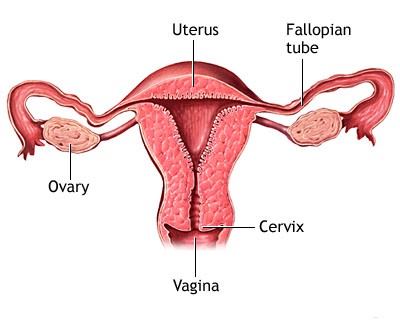
Cervicitis is most often caused by an infection that is caught during sexual activity. Sexually transmitted infections (STIs) that can cause cervicitis include:
Chlamydia
Gonorrhea
Herpes virus (genital herpes)
Human papilloma virus (genital warts)
Trichomoniasis
Other things that can cause cervicitis include:
A device inserted into the pelvic area such as a cervical cap, diaphragm, or pessary
Allergy to spermicides used for birth control
Allergy to latex in condoms
Exposure to a chemical
Cervicitis is very common. It affects more than one half of all women at some point during their adult life. Risks include:
High-risk sexual behavior
History of STIs
Many sexual partners
Sex (intercourse) at an early age
Sexual partners who have engaged in high-risk sexual behavior or have had an STI
Bacteria (such as staphylococcus and streptococcus) and too much growth of normal bacteria in the vagina (bacterial vaginosis) can also cause cervicitis.
Things you can do to reduce your risk of developing cervicitis include:
Avoid irritants such as douches and deodorant tampons.
Make sure that any foreign objects you insert into your vagina (such as tampons) are properly placed. Be sure to follow instructions on how long to leave it inside, how often to change it, or how often to clean it.
Make sure your partner is free of any STI. You and your partner should not have sex with any other people.
Use a condom every time you have sex to lower your risk of getting an STI. Condoms are available for both men and women, but are most commonly worn by the man. A condom must be used properly every time.
Hemophilia A is a hereditary bleeding disorder caused by a lack of blood clotting factor VIII. Without enough factor VIII, the blood cannot clot properly to stop bleeding.
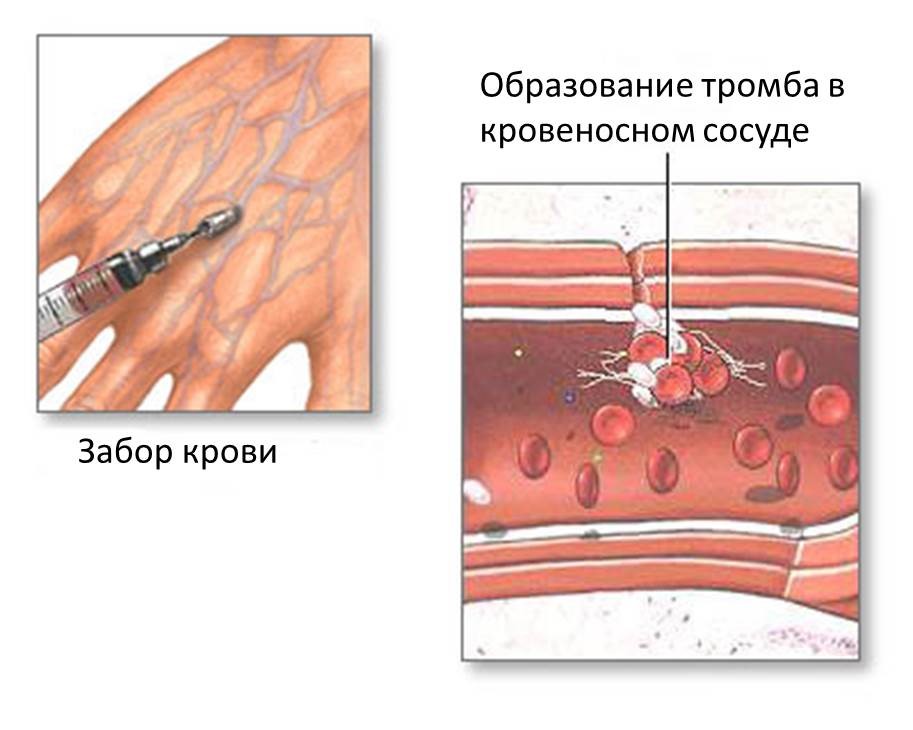
Blood clots (fibrin clots) are the clumps that result when blood coagulates.
Causes
Hemophilia A is caused by an inherited X-linked recessive trait, with the defective gene located on the X chromosome. Females have two copies of the X chromosome, so if the factor VIII gene on one chromosome doesn't work, the gene on the other chromosome can do the job of making enough factor VIII. Males, however, have only one X chromosome, so if the factor VIII gene on that chromosome is defective, they will have hemophilia A. Thus, most people with hemophilia A are male.
If a woman has a defective factor VIII gene, she is considered a carrier. This means the defective gene can be passed down to her children. In a woman who carries the defective gene, any of her male children will have a 50% chance of having hemophilia A, while any of her female children will have a 50% chance of being a carrier. All female children of men with hemophilia carry the defective gene. Genetic testing is available for concerned parents.
Risk factors for hemophilia A include:
Family history of bleeding
Being male
Rarely, adults can develop a bleeding disorder similar to hemophilia A. This may happen after giving birth (postpartum), in people with certain autoimmune diseases such as rheumatoid arthritis, in people with certain types of cancer (most commonly lymphomas and leukemias), and also for unknown reasons (called "idiopathic"). Although these situations are rare, they can be associated with serious, even life-threatening bleeding.
Symptoms
The severity of symptoms vary. Bleeding is the main symptom of the disease and sometimes, although not always, occurs if an infant is circumcised.
Additional bleeding problems are seen when the infant starts crawling and walking.
Mild cases may go unnoticed until later in life when they occur in response to surgery or trauma. Internal bleeding may happen anywhere, and bleeding into joints is common.
Symptoms may include:
Bleeding into joints, with associated pain and swelling
If the patient is the first person in the family to have a suspected bleeding disorder, he or she will undergo a series of tests called a coagulation study. Once a disorder has been identified, other family members will need less testing to diagnose the disorder.
Standard treatment involves replacing the missing clotting factor. The amount of factor VIII concentrates needed depends on the severity of the bleeding, the site of the bleeding, and the size of the patient.
Mild hemophilia may be treated with desmopressin (DDAVP), which helps the body release factor VIII that is stored within the lining of blood vessels.
To prevent a bleeding crisis, people with hemophilia and their families can be taught to give factor VIII concentrates at home at the first signs of bleeding. People with severe forms of the disease may need regular preventive treatment.
Depending on the severity of the disease, DDAVP or factor VIII concentrate may be given before having dental extractions or surgery in order to prevent bleeding.
Immunization with hepatitis B vaccine is necessary because of the increased risk of exposure to hepatitis due to frequent blood infusions.
Patients who develop an inhibitor to factor VIII may require treatment with other clotting factors such as factor VIIa, which can help with clotting even without any factor VIII.
Outlook (Prognosis)
The outcome is usually good with treatment. Most people with hemophilia are able to lead relatively normal lives.
Patients with hemophilia should establish regular care with a hematologist, especially one who is associated with a hemophilia treatment center. The ability to have quick and easy access to medical records documenting the patient's history of factor IX levels, factor transfusions (including the type and amount), complications, and amount of any inhibitors can be lifesaving in the event of an emergency situation.
Possible Complications
Chronic joint deformities may occur from bleeding into joints. This complication can be managed by an orthopedic specialist. However, joint replacement may be needed.
Intracerebral hemorrhage is another possible complication.
Repeated transfusions may slightly raise the risk for HIV and hepatitis , however, continued improvements in blood screening procedures makes blood products safer than ever.
Viral hemorrhagic fevers (VHFs) are a group of illnesses caused by four families of viruses. These include the Ebola and Marburg, Lassa fever, and yellow fever viruses. VHFs have common features: they affect many organs, they damage the blood vessels, and they affect the body's ability to regulate itself. Some VHFs cause mild disease, but some, like Ebola or Marburg, cause severe disease and death.
VHFs are found around the world. Specific diseases are usually limited to areas where the animals that carry them live. For example, Lassa fever is limited to rural areas of West Africa where rats and mice carry the virus.
The risk for travelers is low, but you should avoid visiting areas where there are disease outbreaks. Because there are no effective treatments for some of these viral infections, there is concern about their use in bioterrorism.